How to Verify Your Audemars Piguet Watch’s Authenticity

A quick word before you start

Audemars Piguet fakes in 2026 are not the sloppy tourist pieces people still imagine. If you’re checking Audemars Piguet authenticity, assume the watch in front of you could be a serious build.

This Audemars Piguet watch guide is written for buyers in the UK market. It’s also for anyone who wants to verify Audemars Piguet details before money changes hands.

Good verification is boring. That’s why it works.

Audemars Piguet paperwork and provenance

Start with what should exist. A clean watch with no story is common. A high value watch with a vague story is a red flag.

Ask for the original purchase paperwork and any service paperwork. Expect dates, retailer names, reference numbers, and a trail that matches the watch you’re holding.

If the seller refuses close up photos of documents, walk away. If the seller offers excuses about privacy, push back. You can blur addresses without hiding reference data.

What “full set” should look like in 2026

A “full set” claim changes by model and era. In 2026 most sellers still use the phrase to inflate confidence. Treat it as marketing until you check contents.

Look for consistent printing quality and correct language. Poor typography and odd spacing still catch out many counterfeit sets. Some fakes look convincing at arm’s length. That’s not enough.

  • Warranty card details that match the case
  • Manuals with correct paper weight and sharp print
  • Service paperwork that lists the same reference
  • Box condition that suits the stated ownership story

Pricing tells you more than people admit

In early 2026, you’ll see Royal Oak sports references advertised across a very wide band. You’ll also see “too cheap” listings dressed up with urgency.

If a watch is priced 15% to 25% under comparable UK dealer stock, assume a problem until proven otherwise. That problem might be authenticity. It might be parts swapping. It might be unpaid finance on a recent purchase.

Audemars Piguet watch verification starts before you meet the seller. Save screenshots of comparable listings. Turn up prepared.

Dial and case checks that separate real wear from fake wear

Modern counterfeits can copy the general look. They struggle with the micro choices that brands make. Audemars Piguet is all micro choices.

Use a loupe and strong natural light. Phone torch light is fine if it’s steady. Don’t accept dim kitchen lighting.

This is where Audemars Piguet fake vs real becomes practical. You’re looking for finishing quality, not just correct words.

Dial printing and applied markers

Start with alignment. Check that applied indices sit evenly and match the minute track precisely. Look for inconsistent gaps between markers and the track.

Check the logo. Many high grade fakes still miss the crispness of edges. They often look slightly soft at the corners under magnification.

If the dial has a pattern, check repetition and depth. Counterfeits often over cut texture. They do this to “show detail”. Real dials look controlled.

Case geometry and finishing

Royal Oak cases in particular punish lazy finishing. Brushing should look directional and consistent. Polished bevels should be sharp yet clean.

Inspect edges with a fingertip. A rounded feel can be over polishing from a genuine watch. It can also be a poor fake case. Use context from the rest of the watch.

Check the screws and their seats on the bezel. If screw slots look chewed or inconsistent, assume heavy handling. That might be innocent. It still hurts value.

Bracelet, clasp, and the details dealers check first

The bracelet is where many replicas fail quietly. It’s also where swapped parts show up. Audemars Piguet bracelets should feel precise without feeling stiff.

Hold the watch flat. Let the bracelet drape. A cheap build will kink. A heavily worn genuine bracelet will droop. The difference is in how the links articulate.

If you’re doing an in person inspection, this is the moment to slow down.

Clasp engravings and machining

Look at engravings inside the clasp. You want clean cuts with consistent depth. Overly deep engraving can be counterfeit work. Weak engraving can be over polishing.

Open and close the clasp several times. The action should feel deliberate. If it snaps shut with a tinny click, be cautious.

Check for uneven gaps when closed. A clasp that sits proud can be damage. It can also be mismatched parts.

Bracelet screws and link condition

Examine screw heads. If you see mismatched slot widths across screws, assume parts have been replaced. Some owners use generic screws after a lost original.

That impacts resale. It also complicates Audemars Piguet watch verification since a real head on a wrong shaft can still fit.

In the UK trade, missing or incorrect screws can cost £150 to £400 to put right. That figure moves by model and availability.

Audemars Piguet fake vs real checkpoints you can use at the counter

There’s no single “magic tell” in 2026. The game is accumulation. You stack small observations until the story holds up.

Use the table below as a practical grid. It suits a fast check at a dealer counter in Hatton Garden. It also works on a private meet.

Area What a genuine watch tends to show Common counterfeit tell Quick test Typical UK cost impact in 2026
Dial printing Sharp edges under a loupe with consistent ink density Soft edges and slight bleed at corners Check logo edges at 10x £0 if you walk away
Case finishing Even brushing with crisp transitions to polished bevels Over bright polish with rounded bevels Run light across the bevel line £300 to £1,200 for sympathetic refinish
Bracelet feel Precise articulation with controlled drape Kinking and rattly link play Hold flat then let it hang £250 to £1,500 depending on parts
Caseback engravings Consistent depth and clean machining marks Acid etched look and uneven depth Angle the watch under strong light £0 if authenticity fails

Audemars Piguet authenticity is rarely disproved by one detail. It’s usually disproved by ten small details that don’t agree with each other.

Serial numbers and the Audemars Piguet reality check

People ask for a “serial number check” as if there’s a public database. In practice, an Audemars Piguet serial number check is limited unless you go through official channels.

That limitation is exactly why counterfeiters feel comfortable. They know most buyers will stop at a photo of an engraved number.

Use serials as one input. Don’t treat them as proof.

Where to look and what to record

Record the case number and any movement number if accessible via paperwork. Photograph engravings with macro mode and angled light. Ask for a video too.

Compare the format and placement to known correct examples for the same reference. A number can be real yet belong to a different watch. That’s a classic Frankenstein build.

If the seller says the numbers are “inside only”, be careful. Some models do hide information. Many sellers use this line to avoid scrutiny.

What official support can do in 2026

For meaningful confirmation, use Audemars Piguet service routes. The brand explains service and support pathways through its official FAQ. See Audemars Piguet services FAQ.

Expect the brand to focus on service and ownership support. Don’t expect instant authentication over email based on a photo set. That’s not how luxury brands protect data.

If you need a firm answer, budget for time and admin. That’s part of owning this level of watch.

Movement checks without playing watchmaker

If someone offers to open the case at a café table, decline. Dust is real. Slips happen. Fake sellers also love a rushed “movement reveal”.

Still, movement quality remains a divider. Audemars Piguet finishing is hard to mimic convincingly. Many replicas look impressive online. Under a loupe they fall apart.

Use a professional if the deal is serious. A proper bench inspection is part of sensible verify Audemars Piguet practice.

What you can check safely

Listen to the rotor sound when you tilt the watch gently. Some fakes have a loud spinning noise. Some genuine watches can be audible too. Use this only as a soft cue.

Check time setting feel. The crown action should be precise with defined positions. A gritty feel suggests damage or cheap internals.

Check date change behaviour if the model has a date. A lazy rollover can be wear. It can also be a generic movement inside a dressed case.

What an expert will check quickly

A good watchmaker will check calibre architecture and finishing cues. They will check screw heads, chamfers, Geneva style finishing, and engraving quality.

They will also look for mixed parts. In 2026, parts swapping is as common as outright fakes. Some watches are partly genuine. That still matters.

If you want a reference point, read dealer oriented guides such as The Luxury Hut verification article. Use it as a prompt list, not gospel.

Service history and why it matters more than the box

In the UK resale market, service history can beat a tired “full set”. A recent brand service reduces mechanical risk. It also creates a paper trail.

Ask for invoices with dates in 2026 terms. A service in January 2026 is different from “serviced recently”. Words are cheap.

Audemars Piguet watch verification gets easier when the watch has been in the official system.

Be sceptical about “freshly serviced” claims

Many sellers use “serviced” to mean “regulated”. That can be a ten minute job. It can also hide deeper issues.

If a private seller claims a full service, ask who did it. Ask for a detailed invoice. If it was a local repairer, ask what parts were replaced.

In Mayfair, dealers will often discount a watch with vague service claims by £500 to £2,000. That reflects risk, not greed.

Don’t ignore function tests

Check power reserve behaviour across a day if you can. Check chronograph start, stop, and reset if present. Check that hands snap back cleanly.

These are not purity tests for authenticity. They catch watches that have been thrown together quickly. That happens with replicas and with badly handled genuine pieces.

If a seller discourages function checks, end the meeting.

Professional Audemars Piguet watch verification in the UK

If the spend is serious, pay for professional confirmation. In 2026, a good authentication cost is small compared with the cost of a mistake.

Use established dealers and independent specialists with proper premises. Avoid “mate of a mate” appraisals done on a phone camera.

This is the stage where Audemars Piguet authenticity becomes a service, not a hobby.

Dealer checks and written confirmation

Ask a dealer what their process covers. Ask if they’ll put findings in writing. A verbal “looks fine” is not enough when values are five figures.

Expect a fee if you’re not buying from them. That’s fair. You’re paying for liability and expertise.

Dealer resources can help you prepare. For example, BQ Watches on spotting fakes offers a practical overview of common tells.

Independent authentication guides that are actually useful

Some third party guides are thin. Some are solid checklists. I prefer the ones that focus on process rather than “one weird trick”.

Two decent starting points are Trilogy Jewellers on authentication plus Bob’s Watches on serial number context.

Use them to structure your questions. Don’t use them to argue with a watchmaker.

Buying habits that keep you safe in 2026

The safest approach is dull. Buy from a reputable UK dealer with a returns policy. Pay in a traceable way. Keep everything.

If you buy privately, meet in a secure location. Many London dealers will host a transaction for a fee. That fee can save you from a very expensive lesson.

Audemars Piguet ownership is meant to be enjoyable. It stops being enjoyable when you cut corners.

A simple flow that works

Do your desktop research first. Then book an in person check. Then pay only after the check.

  • Compare photos to known correct examples for the exact reference
  • Request macro shots of dial, bezel screws, clasp engravings
  • Ask for a timed video showing date and crown operation
  • Confirm paperwork consistency before any meeting

When to walk away without regret

Walk away if the seller pushes urgency. Walk away if the seller refuses a third party inspection. Walk away if the story keeps changing.

Walk away if details are “close enough”. Audemars Piguet is not a close enough brand. The watches are too precise for that.

If you want a single rule, use this. If you can’t explain why the watch is genuine in plain language, you’re not ready to buy it.

Reference reading used for this Audemars Piguet watch guide

If you want to go deeper, these are sensible places to cross check your process in 2026.

Watch it explained

This guide draws on the shop’s own videos — watch them here:

Audemars Piguet vs. Rolex: A Luxury Watch Showdown

A luxury watch showdown in 2026

Audemars Piguet is the brand that makes Rolex buyers pause. In 2026 the Audemars Piguet vs Rolex argument has moved beyond flexing.

I hear the same question in Mayfair showrooms. Do you buy the watch the world recognizes? Do you buy the watch other watch people recognize?

Rolex is the safest default in luxury retail. Audemars Piguet is the sharper choice when you care about finishing and design language.

This piece is written from the point of view of a UK retail editor. It’s practical. It’s also slightly skeptical about hype.

Audemars Piguet history and why it still matters

Audemars Piguet history reads like classic Vallée de Joux watchmaking. It starts with traditional Swiss craft. It stays there.

Rolex has a different origin story. Chrono24 frames Rolex as a London start that later settled in Geneva. It also underlines Rolex’s early obsession with chronometric proof and engineering firsts. Read the Chrono24 comparison.

Audemars Piguet takes the opposite approach. It leans into complicated movements and hand finishing. The point is not to be everywhere. The point is to feel like a small manufacture that happens to be famous.

This matters in 2026 because buyers have become pickier. They want a narrative that matches the price tag. Audemars Piguet still sells that narrative better than most.

Audemars Piguet models that actually pull demand

Let’s talk Audemars Piguet models without pretending there are dozens of obvious entry points. The Royal Oak remains the centre of gravity. Exquisite Timepieces calls out the Royal Oak as the piece most buyers know. It also flags how much variety sits inside that family. See their brand breakdown.

Audemars Piguet can look limiting if you dislike integrated bracelets. That is not a minor detail. The whole appeal is the case and bracelet acting as one line of design.

If you want something outside the Royal Oak orbit then Code 11.59 matters. It’s the modern round collection with the brand’s finishing instincts intact. WatchCharts also shows how Code 11.59 behaves on the secondary market. The February 2026 Watch Market Update lists Code 11.59 as down 0.8% for January 2026. WatchCharts monthly dispatch.

There is also Royal Oak Offshore and Royal Oak Concept for louder buyers. Those watches are a separate personality. They suit clients who like weight on the wrist and visible engineering.

Rolex range in 2026 feels familiar for a reason

Rolex succeeds because the catalogue is clean. Submariner. GMT Master II. Daytona. Datejust. You can walk into a conversation anywhere in London and be understood.

Rolex design moves in small steps. Exquisite Timepieces describes that incremental approach as the core of the brand’s look. That restraint keeps older pieces from feeling dated. Their design section is worth a skim.

Rolex also has the advantage of pure utility. You can wear a Submariner through a wet weekend in Cornwall. You can wear a Datejust to a client lunch in the City. That versatility is not glamorous. It’s why the watches keep selling.

Still, Rolex can feel too safe. If you already own one then the second Rolex often feels like a repeat purchase. That’s where Audemars Piguet starts to make more sense.

Finishing and movements where Audemars Piguet earns the premium

Audemars Piguet wins on detail when you view the watch as jewellery with a movement inside. The dial texture. The bevels. The transitions between brushed and polished surfaces. Those are the moments buyers pay for.

Elegant Swiss sums up the contrast neatly. It positions Audemars Piguet as bold and artistic. It positions Rolex as timeless and practical. Elegant Swiss comparison guide.

Chrono24 also lands on the same conclusion. It argues Audemars Piguet has the craft edge. It also argues Rolex focuses on reliability and toughness. That’s fair. It matches what we see from aftersales feedback.

If you buy with a loupe in your pocket then Audemars Piguet is the more satisfying object.

Audemars Piguet pricing and the real cost of ownership

There’s no polite way to say it. Audemars Piguet pricing starts high. It climbs quickly once you add precious metal and complications.

Oracle of Time lists a Code 11.59 Selfwinding in pink gold at £29,700 in March 2026. It uses that figure as a benchmark for a relatively accessible AP in precious metal. Oracle of Time price and specs.

A Royal Oak in steel is a different beast. Watches of Switzerland has a certified pre owned Royal Oak Selfwinding 41mm listed at £54,450 at the time of writing. That is a real UK retail number. Watches of Switzerland listing.

Rolex looks gentler at retail. Time 4 Diamonds lists a 2026 Submariner No Date at £8,450. It lists a 2026 Submariner Date in steel at £9,500. Rolex 2026 UK price list summary.

Watch UK list price shown for 2026 Real world asking example in 2026 What it tells you
Rolex Submariner No Date (Ref 124060) £8,450 Steel sports remains the entry ticket Rolex keeps the floor comparatively low
Rolex Submariner Date (Ref 126610LN) £9,500 £12,250 for a 2026 full set listing Premium persists for fast availability
Rolex GMT Master II “Pepsi” on Oyster (Ref 126710BLRO) £9,850 Steel GMT is brushing £10k at retail The steel sports era is not cheap
Audemars Piguet Royal Oak Selfwinding 41mm (Ref 26240ST) Price varies by boutique allocation £54,450 certified pre owned listing Secondary pricing often sets the tone

The Submariner Date asking price above is not hypothetical. SwissTimepieces lists a 2026 Submariner Date at £12,250 with the usual full set pitch. SwissTimepieces Submariner Date listing.

Servicing costs are part of the purchase

Buyers fixate on the sticker price. Then they forget servicing and refinishing. That’s a mistake with Audemars Piguet because the bracelet finishing is part of the value.

Knightsbridge Watches quotes Royal Oak time only servicing at £750 to £1,100 in London. Offshore chronograph work is quoted at £1,000 to £1,600. Complicated pieces climb to £1,800 to £3,500. AP servicing cost guide.

For Rolex, Genesis Watchmaking lists a modern service example at £645 for Professional models such as Submariner and GMT Master. Datejust sits at £555. Genesis Rolex service pricing.

Availability and resale in 2026 feels less manic

Rolex availability is still controlled. That’s not news. What has changed is sentiment.

WatchCharts shows the secondary market is climbing again in early 2026. Its Overall Market Index is up 8.0% year on year as of 9 March 2026. Rolex is shown up 7.4% year on year. Audemars Piguet is shown up 3.8% year on year. WatchCharts market indexes.

That gap matches what I see when clients ask about resale. Rolex stays more liquid. Audemars Piguet can be brilliant. It can also be fussy by reference and dial.

The Oreate comparison post leans into the idea of Audemars Piguet as limited and expressive. It uses the phrase wearable art around the Royal Oak. That’s the right mood even if it sounds a bit dramatic. Oreate brand comparison.

Audemars Piguet reviews in brief from a retail desk

Audemars Piguet reviews often split into two camps. The first camp buys the Royal Oak then stops looking at Rolex altogether. The second camp buys it then realizes it’s a bit precious for daily life.

My bias is simple. If you want one watch for everything then buy the Rolex first. If you already have the Rolex then buy Audemars Piguet for the experience of wearing something more deliberate.

  • Choose Royal Oak if you want bracelet finishing that rivals high jewellery
  • Choose Code 11.59 if you want AP craft without the integrated bracelet look
  • Choose Submariner if you want a watch you never think about
  • Choose GMT Master II if travel matters more than symmetry

If you want a quick visual take then there’s also a short clip doing the rounds. Treat it as entertainment rather than due diligence. YouTube short.

So who wins this showdown in 2026

Rolex wins for day to day wear. It’s easier to insure. It’s easier to service. It’s easier to sell without taking a haircut.

Audemars Piguet wins if you care about finishing and presence. When you handle a Royal Oak properly you notice the bracelet edges. You notice the light catch on the bezel. That’s the whole point.

If you’re choosing one brand to collect over the next few years then I would choose Audemars Piguet. It’s less predictable. It also offers more emotional payoff per glance at the wrist.

Further reading used for this comparison

Watch it explained

This guide draws on the shop’s own videos — watch them here:

Audemars Piguet: The Pinnacle of Luxury Above Rolex?

The question behind the window display

Audemars Piguet is the name that gets whispered when a client wants to step past the obvious. The whole Audemars Piguet vs Rolex debate has become the new Mayfair small talk in 2026.

Rolex still owns the default luxury watch purchase. It’s the safe choice for a promotion. It’s also the watch you see on every other wrist at Heathrow T5.

Audemars Piguet feels less like a “buy”. It feels like a decision.

Audemars Piguet vs Rolex: what “above” really means in 2026

When people ask if Audemars Piguet sits above Rolex, they rarely mean accuracy. They mean hierarchy. They mean the moment a watch stops being a recognisable badge and becomes a collector’s signal.

Rolex does scale better than most luxury watch brands. The engineering is consistent. The servicing network is strong. The product language is instantly legible from five metres.

Audemars Piguet wins on a different axis. It sells fewer watches. It’s less tolerant of mass familiarity. That scarcity changes behaviour in showrooms across London.

In 2026, a steel sports Rolex at retail can still feel like an achievement. A steel Royal Oak from Audemars Piguet can feel like you’ve been admitted.

Scarcity is not a myth, it’s a strategy

Rolex is hard to buy at retail for certain models. That’s real. The brand still produces at a scale that keeps it present in every major city.

Audemars Piguet keeps the funnel tighter. The brand prefers direct relationships. It prefers controlled distribution. That shapes who gets offered what.

If you want “pinnacle”, start there. Control is the luxury.

Audemars Piguet history without the museum voice

Audemars Piguet history matters because it reads as uninterrupted craft, not nostalgia. The brand didn’t build its reputation on one hero product alone. It built it through constant technical showing off.

The Vallée de Joux roots still show in the way Audemars Piguet talks about finishing. There’s a quiet pride in the details that never make it onto an Instagram caption.

The Royal Oak is the cultural headline. The deeper story is the refusal to turn into a generic luxury label.

In 2026, that stubbornness plays well. Clients are tired of “limited edition” nonsense. They want a house with taste that doesn’t wobble every season.

What you’re paying for with Audemars Piguet watches

There’s a reason Audemars Piguet sits comfortably in conversations about the top Swiss watchmakers. You feel it in the metalwork. You see it in the transitions between brushed surfaces and polished bevels.

Many Rolex cases are excellent. They’re also designed for industrial consistency. Audemars Piguet chases a more labour-heavy look, even on steel.

The movement side is where the gap opens further. Rolex builds superb, durable calibres. Audemars Piguet leans harder into architecture, finishing, and complication culture.

Finishing and proportion are the tell

Pick up a Royal Oak bracelet under boutique lighting. The crispness is immediate. The edges look drawn with a blade.

That’s not “better timekeeping”. It’s better jewellery. British clients understand that quickly. They compare it to Savile Row stitching, not to a stopwatch.

Audemars Piguet watches also tend to wear flatter than many expect. The proportions are deliberate. That matters if you live in cuffed shirts.

Complications are used as a flex, not as a footnote

Rolex complications are restrained. The brand’s peak complication is practically. That’s the point.

Audemars Piguet will happily sell you a perpetual calendar. It will also sell you openworked pieces that scream. Not everyone should buy those. Plenty still do.

In 2026, you can see the split in who buys what. Submariners go to people who want to look sorted. Royal Oaks go to people who want to look informed.

Audemars Piguet in 2026: the collections that actually matter

Most shoppers talk as if Audemars Piguet equals Royal Oak. That’s fair. It’s also incomplete.

The Royal Oak remains the centre of gravity. The Offshore is a louder cousin. Code 11.59 is the line that rewards patience and taste.

If you want a clear view of the brand in 2026, look at how each line is positioned. Look at who is buying them in London, Manchester, and Edinburgh.

The Royal Oak remains the benchmark

A steel Royal Oak Selfwinding in 2026 sits around £28,000 to £35,000 at retail depending on size and dial. Availability is the real cost. You pay with time and relationship.

On the secondary market, premiums still appear for the most in-demand configurations. They can swing fast. They can also punish impatient buyers.

Audemars Piguet knows this dynamic. The brand doesn’t pretend otherwise.

Code 11.59 is where you spot real collectors

Code 11.59 is the line I bring up when someone claims Audemars Piguet is a one-trick pony. The case construction is clever. The dials can be quietly stunning in person.

In 2026, you can often buy a Code 11.59 with less theatre than a Royal Oak. Prices commonly start around £25,000. Complicated versions climb fast.

This is also where the brand’s modern identity looks most confident. It’s not trying to mimic a sports watch arms race.

Offshore and Concept are not for everyone

The Royal Oak Offshore can feel like a dare. It’s large. It’s confrontational. It sells well to clients who find standard luxury too polite.

Concept pieces show what Audemars Piguet can do when it stops caring about mass appeal. They’re not “better” for daily wear. They’re better as proof.

That matters if “pinnacle” is your word. Pinnacle implies theatre.

Buying experience: why the brand feels higher than Rolex

The retail experience is where Audemars Piguet often feels above Rolex in 2026. Rolex can be brilliant through the right authorised dealer. It can also feel transactional.

Audemars Piguet leans into direct clienteling. The AP House concept in London has changed expectations. It feels closer to a members club than a shop.

You get offered coffee in proper cups. You get time. You also get assessed.

Allocation culture is sharper at Audemars Piguet

A Rolex boutique can put you on a list. The list may be vague. The rules may be vague too.

Audemars Piguet is often more explicit. You’re building a purchase history. You’re proving you won’t flip the watch.

This is where some clients get irritated. I understand it. I still think it reinforces the brand’s position.

  • Rolex feels like a queue with manners
  • Audemars Piguet feels like a gate with a keyholder
  • Grey market pricing shifts weekly in 2026
  • Service access matters more than unboxing videos

Hard numbers: pricing, waits, and where the money actually goes

Clients want clarity. They also want bragging rights. Both brands trade on that in different ways.

The table below uses typical UK retail pricing in 2026. It also reflects what retailers are seeing for waiting times. Actual offers depend on relationship, configuration, and luck.

Category Rolex typical 2026 UK retail Audemars Piguet typical 2026 UK retail Typical 2026 wait experience
Steel sports icon £9,000 to £14,000 £28,000 to £35,000 Rolex: months to years. Audemars Piguet: often relationship-gated
Chronograph £13,500 to £16,000 £35,000 to £55,000 Both are difficult. Audemars Piguet skews more selective
Dress leaning model £6,000 to £10,000 £25,000 to £45,000 Rolex: easier outside steel sports. Audemars Piguet: more curated
Complication culture Rare in core catalogue £60,000 to £250,000+ Audemars Piguet: access improves with history

There’s also a psychology tax. Rolex buyers often anchor on “value retention”. Audemars Piguet buyers anchor on “entry to the brand”.

In early 2026, secondary prices have been more sensitive than they were during the peak hype cycle. A swing of 10% to 20% over a short period is not unheard of on specific references.

This is where mild scepticism helps. If you’re stretching for a watch, don’t rely on resale narratives. Buy the thing you want to wear.

Where Audemars Piguet sits among luxury watch brands in 2026

Within the wider group of luxury watch brands, Audemars Piguet has a rare balance. It has mainstream recognition. It also has credibility with nerds.

Some maisons have heritage yet lack heat. Others have heat yet lack craft depth. Audemars Piguet sits in the narrow band that can claim both.

This is why it often gets placed with the top Swiss watchmakers when collectors talk seriously. The finishing, the design language, and the willingness to do complicated work all support that.

Rolex remains a giant. It’s the best-known name in watches for a reason. It simply doesn’t aim for the same kind of prestige mechanics that Audemars Piguet trades on.

Audemars Piguet: is it truly the pinnacle above Rolex?

If “pinnacle” means cultural dominance, Rolex still wins in 2026. It’s the watch people recognise. It’s the watch that signals success to everyone, not just collectors.

If “pinnacle” means craft signalling inside the category, Audemars Piguet has the edge. The pricing, the finishing, and the buying friction all push it into a higher bracket.

I’m cautious about treating any watch as a trophy. Trends change. Tastes move. The person who buys purely for status often looks dated within a year.

Still, if you want a watch that reads like you’ve graduated from the obvious, Audemars Piguet is the cleaner answer. Rolex is a masterstroke of product. Audemars Piguet is a masterstroke of positioning.

Watch it explained

This guide draws on the shop’s own videos — watch them here:

Audemars Piguet: Innovations That Shaped the Luxury Watch Industry

Audemars Piguet in 2026: the benchmark that still irritates rivals

Audemars Piguet is the name that still makes seasoned collectors on Bond Street pause. In 2026 its Audemars Piguet innovations keep forcing other luxury watch brands to change their playbook.

This is not just about flex culture. It’s about how one manufacture turned steel into status. It also pushed materials science into the same conversation as hand finishing.

Spend one afternoon with buyers who actually wear their watches. You’ll hear the same point. Audemars Piguet made taste look like engineering.

For a useful primer before we get stuck in, I tend to send new staff to this Chrono24 overview: Audemars Piguet: tradition and innovation.

Audemars Piguet history, minus the museum voice

Audemars Piguet history matters because the brand stayed independent. That single fact shapes everything from production volume to how stubborn the design language can be. Source

The Vallée de Joux origin story gets repeated to death. It still has teeth. The place breeds specialist makers who obsess over tolerances in winter light.

Audemars Piguet also built credibility the hard way through complications. A minute repeater wristwatch sits high on the list of firsts. It’s the sort of flex that other maisons respect quietly. Source

In 2026 the company still makes a relatively small number of watches each year. Most estimates sit at around 40,000 to 50,000 pieces. Scarcity is not marketing fluff here. It’s structural. Source Source

Audemars Piguet watch designs that made steel feel precious

Audemars Piguet watch designs are often copied in spirit. They are rarely copied well. The Royal Oak blueprint did not just launch a category. It normalized the idea that finishing can carry a luxury price even when the material is “ordinary”. Source

The design codes remain blunt in the best way. You get an octagonal bezel with visible screws. You get an integrated bracelet that reads like architecture instead of jewellery. Source

Look closer at the dial work. Tapisserie textures are not there to be “pretty”. They break up light so the watch stays legible under harsh boutique spots in Mayfair. Source

Audemars Piguet made steel worth queuing for. Rivals followed with their own integrated bracelet icons. Some succeeded. Many now live on waiting lists that feel like theatre.

Audemars Piguet innovations in thinness, complications, and finishing you can spot at arm’s length

Audemars Piguet innovations tend to land in two places at once. One is in the movement. The other is in how the case finishing frames the movement story.

Ultra thin is a recurring obsession. Early Royal Oak executions were built around a movement quoted at just 3.05 mm thick. That number still gets mentioned in 2026 sales conversations. Source

Complications are not treated as separate dress watch territory either. Perpetual calendars and tourbillons were pushed into sporty profiles. That move helped normalize complicated steel watches across high-end timepieces. Source

Hand finishing is where the brand still wins arguments. Anglage catches light in a way that machine finishing can’t fake. You can call it snobbery. It still sells watches.

Audemars Piguet and the materials arms race

Audemars Piguet is at its most convincing when it treats materials like a movement component. The brand has pushed forged carbon into mainstream enthusiast language. It also made ceramic feel less like a fashion trend. Source

The official materials library is worth reading for the technical cues. It flags Chroma Forged Carbon. It also details polychrome ceramic developed using Spark Plasma Sintering. This is proper R&D rather than mood board talk. Source

Bulk Metallic Glass deserves a mention because it signaled intent. A Royal Oak execution combining titanium with BMG leaned into scratch resistance and a mirror-like finish. This is one of those changes you feel after a few months of real wear. Source Source

One current talking point is the RD line. The RD#5 concept pushed a new approach to chronograph reset feel. Reports put pusher travel at around 0.3 mm. That’s the kind of detail that makes collectors grin. Source Source

The Royal Oak as a laboratory for the whole industry

Audemars Piguet didn’t protect the Royal Oak by keeping it precious. It did the opposite. It built sub families that allowed it to experiment without killing the core identity. Source

The Offshore pushed the oversized luxury sports watch trend into the mainstream. The Concept line went further. It turned the Royal Oak shape into a technical test bed for exotic materials and acoustics. Source

This is where other brands took notes. Not every maison had the nerve to make a loud sports case. Even fewer could make it feel “high horology” once you flip it over.

Here is what Audemars Piguet forced the market to copy. Some copies are good. Some are embarrassing.

  • Luxury steel as a headline product
  • Integrated bracelets as the new dress code
  • Exotic case materials sold with technical justification
  • Sport watches carrying serious complications without apology

Retail in 2026: AP House theatre, direct relationships, and a bit of scepticism

Audemars Piguet understood something early. The sale is not just the watch. The sale is the social permission around the watch.

The AP House model is the clearest expression of that. In February 2026 the brand opened an AP House in Atlanta with a hospitality-led layout. It’s a long way from the old glass counter routine. Source

On 3 February 2026 the brand also staged a press event in the Alps to frame its strategy. It leaned into workshops and craft demonstrations. That’s the sort of messaging that lands well after a frothy resale era. Source

Leadership matters here too. The current CEO has pushed changes in language around gendered marketing. It’s sensible. It also reflects what retailers see at the moment. More women are buying complicated mechanical pieces without asking permission. Source

Prices, servicing, and the resale maths people forget to mention

Audemars Piguet pricing in 2026 is easier to discuss when you separate retail from market. Retail tells you brand intent. Market tells you what the world actually values on a random Tuesday.

New releases in 2026 show how confident the manufacture is in its positioning. A Royal Oak Selfwinding Chronograph in steel at 38 mm is listed at £33,900. The same size in pink gold is listed at £66,500. A diamond bezel variant reaches £72,100. Source

2026 snapshot Indicative UK price Why it matters
Royal Oak Selfwinding Chronograph 38 mm in steel £33,900 Shows where the entry point sits for a current chronograph
Royal Oak Selfwinding Chronograph 38 mm in pink gold £66,500 Demonstrates the gold multiplier within the same design language
Royal Oak Selfwinding Chronograph 38 mm with diamond bezel £72,100 Gem setting stays a core revenue stream for high jewellery clients
Pre owned Royal Oak Chronograph 41 mm in rose gold at a major UK chain £48,995 Shows how reference, condition, and liquidity shift pricing
Pre owned Royal Oak Chronograph in rose gold at an independent UK seller £59,950 Dealer positioning can move pricing more than people admit

The pre owned prices above come from listings at Mappin and Webb plus Watchtrader. Source Source

Resale premiums are real. WatchCharts data captured in February 2026 shows one steel Royal Oak reference trading at about 128% above its listed retail price. Another steel Royal Oak chronograph reference sits at roughly 40% above retail. Source

Servicing is the other cost people ignore until it hurts. Audemars Piguet publishes service prices in CHF for its Geneva boutique. Converting at roughly 0.95 CHF to £1 based on February 2026 rates gives you a usable UK mental model. Source Source

Official maintenance category List price converted for February 2026 What I tell clients
Royal Oak selfwinding complete maintenance About £900 Budget for it as part of ownership
Royal Oak extra thin complete maintenance About £1,235 Thin costs more to do properly
Royal Oak chronograph complete maintenance About £1,615 Chronographs aren’t cheap to keep perfect
Royal Oak perpetual calendar level complete maintenance About £2,090 Complications deserve a serious maintenance fund

That servicing transparency is quietly influential. It raises expectations across luxury watch brands. It also makes buyers more realistic about what “investment” really means in 2026.

Reference sources supplied for this article Link
Chrono24 brand profile Read
Chronext deep dive on models and value development Read
Love Luxury piece on Royal Oak developments Read
Kettle Club overview of brand milestones Read
AP Chronicles on materials Read

Watch it explained

This guide draws on the shop’s own videos — watch them here:

Buying Polished Luxury Watches: What Collectors Need to Know

Professional polishing of luxury watches polishing is a precise, multi-step process. Technicians first remove bracelets and sometimes the movement, then clean the case, often ultrasonically to remove dirt. Small scratches are gradually buffed away using progressively finer abrasives, for example, sanding sticks followed by buffing wheels with polishing compounds (rouge or diamond paste) and brushed finishes are restored with fine-wire brushes. Authorised service centers use specialised equipment and trained polishers to control this process. Rolex for instance requires apprentices to train for years before polishing on the job. As one expert notes, “a single polishing operation is high stakes: a few seconds too long and you take the watch too far, too short and you leave scratches”. By contrast independent polishers may lack brand specific lathes or data, so it’s critical they also have extensive experience. Reputable watchmakers (authorised or qualified independents) know the precise angles, mixes of brushed vs. polished surfaces and correct pressure to use. In practice a professional polishing service will usually disassemble the case, then use high-precision lathes and rotating wheels with successively finer abrasives, finishing with a jeweller’s buffing cloth.

Authorised centers vs. independent polishers often differ in tools and guarantees. Brand service centers (Rolex, Omega, etc.) use factory approved machines and procedures and trained in-house specialists. For example Rolex’s official polishers are taught to “carefully maintain the watch’s original proportions, edges and factory finishes” even as they remove scratches. Omega similarly suggests trusting only certified experts: an authorised Omega service is recommended to “maintain its luster without compromising the integrity of the metal”. Independent watchmakers can also polish expertly, but buyers should ask questions: do they disassemble the watch and remove the movement before polishing? They should, to avoid damage. In general professionals, whether brand authorised or master craftspersons, will use high-precision polishing lathes and inspection tools. Non professionals or amateurs risk uneven surfaces, distorted bevels or even permanently rounded edges. As one guide warns, DIY polishing is risky and irreversible, without proper tools you can “create uneven finishes, round edges or damage the metal”.

Brand Finishes: Rolex, Audemars Piguet, Omega, Patek

Each luxury brand has signature case finishes that demand care. Rolex cases combine polished and brushed surfaces with very crisp bevels. Owners prise the factory sharp lugs and edges. Rolex’s own guidelines emphasise preserving these lines, in-house polishers are trained to “ensure the watch keeps its sharp lines and signature design while removing scratches”. Polishing too aggressively can soften those edges, so Rolex trained technicians polish carefully. In contrast a poorly done polish on an Oyster case will leave the lugs thinner and rounder. Collectors often say “originality always trumps shine” on a Rolex, scratches and factory bevels add character.

Audemars Piguet (AP) cases, especially the Royal Oak and Offshore, rely on alternating mirror and satin surfaces on complex facets. Over polishing can blur the crisp angles of the iconic octagonal bezel. Watch guides note that polishing tends to “soften sharp edges and alter intricate designs” like the Royal Oak’s finishes. In practice any polishing must be extremely precise to avoid ruining AP’s flat polished facets and brushed sides. Unpolished or lightly polished AP Royal Oaks often command the highest prices, one analysis notes that “unpolished AP Royal Oak and Patek Calatrava models often sell for higher prices” than their polished counterparts.

Omega generally uses standard polished steel cases and some ceramic or precious metal models. Omega’s service centers will polish watches as part of servicing, even suggesting owners of precious metal Constellations “have it professionally polished by an authorised OMEGA service center to maintain its luster”. However Omega care guides warn against DIY: improper polishing “can slowly degrade metal layers and erode elegant case profiles over time”. In other words, routine gentle buffing with a cloth is fine, but any heavy polishing is best left to certified technicians.

Patek Philippe watches are finished entirely by hand with extreme care. Cases are meant to age gracefully with a soft patina. Patek emphasises preserving original finishes, for example a rare steel Patek 1518 with untouched edges sold at auction for a record price. Heavy polishing on a Patek Nautilus or Calatrava will round off delicate chamfers and degrade value. In a notable case a vintage Patek ref. 2497 was lightly polished at service so its stepped lugs remained sharp, it sold for $1M at auction. However the same report observes that “heavily polished vintage watches often sell for much less”. Rolex, Omega and similar sports models can accept periodic polishing without massive value loss, especially if performed by the brand, whereas haute horlogerie pieces like Patek and AP lose significant allure when over polished.

Auction Case Studies

Auctions illustrate how condition drives value. The standout lesson is that, all else equal original (unpolished) examples nearly always attract higher bids. For example Phillips sold an unpolished Rolex triple-calendar (ref. 6062) for CHF 2,117,000 in 2023, a world record price, noting it was an “exceptional specimen preserved in unpolished condition”. By contrast Phillips experts pointed out that a similar Daytona chronograph (ref. 6263) failed to sell in 2019 because “the case is a bit polished” and not original.

Even the most famous watches demonstrate this gap. The Rolex “Paul Newman” Daytona (ref. 6239) was sold by Phillips in 2017, famously still unpolished, for $17.75 million, the highest price ever paid for a wristwatch. Its pristine originality, tropical dial and untouched case was a major factor. In contrast a similar Daytonas with rounded lugs or refinished dial would command far less. A Hodinkee panel notes that “a polished Submariner or GMT-Master might come down more than an unpolished, very mint example”, reflecting the premium on untouched condition.

Other brands show the same trend. Patek’s record breaking sales have been mostly originals, a steel Patek ref. 1518 (perpetual chronograph) remained unpolished and netted over $16.6 million. Christie’s reports echo this, many early Rolexes “had been polished over the years, making the lugs a bit thinner,” whereas the rare unpolished examples (with patina) drew fierce bidding. Auction houses and collectors consistently note that original patina and sharp case lines add value, while excessive polishing erodes it. These examples underline a key point, polishing may revive appearance, but it permanently alters the case. Collectors reward mint originality every time.

Tips and Red Flags

Scrutinise the Case Details. In photos, pay close attention to the lugs, edges and overall symmetry. Over polishing rounds off normally crisp angles, for instance the bevels on a GMT-Master or Royal Oak should look sharp on an unpolished piece. If the lugs appear overly thin or have no distinct chamfers it’s a red flag. Likewise the lug holes should retain crisp edges, unusually smooth or enlarged holes often indicate past polishing. Look for fine scratches or tiny dents. A 40-year-old watch “shouldn’t gleam like it just came out of the factory”. Uniform glossiness on an older vintage watch usually means it has been refreshed.

Examine the Finish Pattern. Many watches mix satin brushed and mirror polished surfaces. Check that the brushing, e.g. on the case sides or bracelet center links remains consistent. Imperfect polishing jobs often leave uneven grain or inconsistent contrast between brushed and polished areas. Ask the seller for high resolution photos under bright light, ideally from multiple angles to spot any irregularities or warped surfaces.

Ask Probing Questions. A reputable seller or polisher should welcome detailed questions. For example, inquire “Was the watch fully disassembled before polishing?” A professional service will remove the movement and crown to avoid damage. Ask “What techniques were used to preserve the original shape?” or if there is any warranty on the polishing work. If possible request documentation of service history, official service records often note whether polishing was performed. Watch experts also suggest checking reviews or references for any independent polisher involved, looking specifically for praise about retaining sharp edges on brands like Patek or AP.

Watch Out for Red Flags. Be skeptical of photos that look “too perfect.” If a supposedly vintage watch looks brand-new or if all surfaces reflect the same even sheen, it may have been over polished. A few small scratches are not necessarily bad, they can actually confirm the watch has not been freshly refinished. A truly unpolished watch will always have some wear marks. Also watch for engraving and serial numbers, polishing can make them shallow or blurry. Lastly be cautious of listings that hide details: e.g. no photos of lug holes or asking too few questions. Demand clear images of the case sides and between the lugs.

When buying online look closely, ask about polishing history and prefer transparency. A minor polish done by a pro is fine, but any hint that a watch has been aggressively refinished should give buyers pause. As one expert advises instead of chasing an impossible “untouched” condition, focus on whether any polishing was done properly, with care to keep the original lines.

Everyday Wear: Pros & Cons

The choice between a polished or untouched watch often comes down to personal taste and priorities. Pros of Polishing: A freshly polished watch looks sleek and new, hiding most surface scratches and giving a mirror like shine. For modern daily wearers this can be very appealing. One guide notes that polishing “restores the original shine and elegance” so that a Rolex Datejust or Omega Seamaster “look as stunning as the day you got them”. Some owners simply prefer a flawless case and feel more confident with a shiny watch on their wrist. Polishing also smooths rough nicks, which can make wearing the watch more comfortable if you dislike sharp burrs.

Cons of Polishing: Every polish removes a microscopic layer of metal, permanently altering the watch’s dimensions and finish. For collectors this is a major drawback, “originality matters” and visible patina or scratches are prized. Polishing cannot be undone without complex and costly metalwork. Repeated polishing gradually rounds edges and can distort the case over time. As one source warns, improper or excessive polishing can “soften sharp edges” and ruin the intricate design of a Patek Nautilus or Rolex Submariner. From a value standpoint, polishing a vintage or collectible watch usually reduces its resale price. Auction results show that unpolished originals often fetch far more, one example being the Rolex Daytona above, while polished peers lag behind.

Aesthetic Considerations: Some buyers prefer the “character” of an unpolished watch. Tiny scratches and a warm patina tell a story of the watch’s life. Others prefer a polished look, equating it with a well maintained appearance. Omega suggests treating case care like “fine furniture polish”, i.e. occasional gentle buffing, rather than a full factory rework. That middle ground approach can keep a watch looking good without erasing all personality.

Comfort and Wearability: Properly polished cases have smoother surfaces that may feel nicer next to the skin or fabric. Sharp factory edges on an unpolished watch can sometimes catch on clothing. However major brands design their edges to be comfortable as manufactured. In practice comfort differences are minor and subjective.

Value Retention: This is often the decisive factor. If you plan to resell a watch someday or simply like owning something original, keeping it unpolished or lightly polished is safer. Even watchmakers acknowledge this: many note that excessive polishing on vintage models is a value killer. As one expert bluntly puts it, “if you own a vintage watch, don’t polish it, period”. On the other hand, if you view a watch purely as a tool for daily use, a professional polish can maintain its appearance without hurting you much, especially on modern pieces.

In the end the choice reflects personal preference. A polished modern watch presents a flawless showpiece every day, whereas an unpolished piece shows its journey and may retain more value. Regardless of your decision the most important rule is to have any polishing done correctly by a pro. Improper polishing is always worse than skipping it entirely. When done carefully a fresh polish can refresh a watch, but when overdone even the sharpest edge or rarest patina is lost forever.

Sources: Advice and examples in this guide draw on industry experts and auction records. Notable references include Bob’s Watches (Rolex specialist)bobswatches.combobswatches.com, Omega and WatchSkins care guidesbobswatches.comwatchskins.sg, the watch-pro site Watchlabwatchlab.sgwatchlab.sg and major auction house results (Phillips, Christie’s)phillips.comwatchlab.sg. These illustrate how polishing is done and valued in the world of luxury watches.


Luxury Watches Kettle Club Invest In and Why?

Investing in luxury watches is as much about passion as it is about financial sense. Sam, co-founder of Kettle Club has a distinctive approach to buying timepieces, he treats them as stores of value rather than quick flip investments. In this editorial we explore which watches Sam would put his money into and why based on his philosophy and current market trends. (This is our opinion and a guide based on Sam’s approach, not formal financial advice.)

Sam’s Approach to Watch “Investing”

Sam’s philosophy is straightforward, buy what you love but if you are looking at this from a financial perspective ensure it’s a model known to hold value. Coming from a finance background, Sam admits that cash in his pocket tends to “burn a hole”, so he prefers parking money in sought after watches that he can enjoy wearing and comfortably hold for 5-6+ years without worrying about depreciation. This long term horizon helps smooth out short term market swings. He isn’t trying to “flip” watches overnight, instead he’s picking pieces he genuinely likes which historically have a safe resale value or even moderate appreciation over time. In Sam’s view a watch bought today is likely to be worth the same or more half a decade later, especially if you choose the right models… and in the meantime, you get to enjoy a beautiful timepiece. What are those right models? Sam tends to gravitate toward popular stainless steel sports watches from top Swiss brands, the kind of iconic references that have more buyers than there are watches available. These include modern Rolex sports models (think Daytona, GMT-Master II, Submariner), as well as legendary pieces from Audemars Piguet (the Royal Oak) and Patek Philippe (particularly the Nautilus). Such watches have proven track records for retaining value thanks to limited supply, strong collector demand and brand prestige. As we’ll see industry data backs up Sam’s instincts: limited editions and flagship models from Rolex, AP and Patek have shown high value retention even as other watches fluctuate in price. Before diving into specific picks, it’s worth noting that Sam always emphasises buying watches as a hobbyist first. The investment angle is a bonus outcome. In other words, he isn’t buying random stocks, he’s buying tangible, wearable art from brands whose heritage and quality he trusts. This passion driven strategy naturally steers him toward the blue chip models of the watch world.

Rolex: Sports Models with Strong Demand

Examples of Rolex sports watches and their price growth over six years. Popular models like the Submariner “Hulk” (left) and Daytona (center) saw their secondary-market prices rise by ~45–50% from 2019 to 2025, while the GMT-Master II “Pepsi” (right) also appreciated significantly. When it comes to value retention, Rolex is king, a sentiment Sam wholeheartedly agrees with. He focuses on steel Rolex sports models which have a near mythical status among collectors for their resilience in the market. The logic is simple: Rolex makes a lot of watches, but sports models like the Submariner, Daytona and GMT-Master II are produced in relatively limited numbers compared to global demand. This imbalance keeps prices buoyant on the secondary market.

  • Rolex Daytona (Stainless Steel), Sam’s top pick. The Daytona chronograph has an iconic legacy and perennial waitlists. Stainless steel versions often sell well above their retail list price due to scarcity. In fact all Daytona references “perform very well financially” and during the 2020–2022 surge some skyrocketed in value. Even after a price correction post-2022, Daytonas remain sought after and current prices are considered a relative bargain for buyers entering the market now. The Daytona’s track record is such that many collectors view it as a “stable investment” piece. Sam likes it because he can enjoy a legendary watch while knowing that years down the line it’s likely still worth what he paid (or more). As evidence, a rose gold Daytona 116515LN gained about 50% in value over six years (2019–2025). Steel Daytonas, with their lower entry price and higher demand, have similarly strong appreciation potential, historically, steel models and rare vintage pieces have shown excellent value increases, making the Daytona a magnet for watch investors.


  • Rolex GMT-Master II, Particularly the “Pepsi” bezel model (ref. 126710BLRO) is on Sam’s radar. This red-and-blue GMT is an absolute classic for travelers and has a huge fan following. Introduced in stainless steel in 2018 (bringing back the beloved Pepsi colorway on steel), it quickly commanded hefty premiums over retail. Over a 6-year span, the GMT “Pepsi” has indeed appreciated, one analysis noted roughly a 26% rise in value from 2019 to 2025 for this model. While not as dramatic as the Daytona’s spike, that steady climb reinforces Sam’s belief that popular GMTs are safe harbors for value. The Pepsi’s appeal is timeless and Rolex may discontinue or tweak it in the future, which could further boost collectible value. Even now, amid a cooler market, the GMT-Master II remains a sought-after piece among collectors, exemplifying how a functional tool watch can double as an appreciating asset.


  • Rolex Submariner, The Submariner is another model Sam would consider, especially special variants or staple references. He caveats “to a degree” because not every Submariner is a guaranteed win, the specific reference and configuration matter. For example, the now-discontinued Submariner 116610LV “Hulk” (green dial/bezel) became highly collectible; it saw about +45% value increase in six years, partly due to its discontinuation in 2020 and iconic design. In contrast, a much pricier white-gold Submariner like the ref. 126619LB (blue bezel) comes with different economics: its retail price is extremely high (over $48k in 2025) and on the secondary market it actually trades below retail (around $32.5k as of August 2025). That’s roughly a 32% drop from new for the white-gold Sub, reflecting how precious metal versions often depreciate more initially. Sam notes these nuances, he prefers the stainless steel Subs (e.g. classic Date or No-Date Submariners) which have broader demand and a lower price point, making their value more “liquid” and stable. Indeed, steel Subs are relatively easy to resell and have steadily risen in price long-term (while showing only moderate volatility).

    The key is that core Rolex sports models like the Submariner are so recognized that there’s always a buyer at the right price. Sam feels confident that buying a Sub today and wearing it for years won’t hurt his wallet when it’s time to sell, the Submariner’s timeless appeal and continued popularity see to that.


Why Rolex? In Sam’s opinion Rolex sports watches tick all the boxes, global brand prestige, active collector communities, limited supply relative to demand and a history of price increases (both by the brand and in resale). Even industry data supports this view, Rolex is consistently named the leader in resale performance, with demand far outpacing supply for most stainless-steel models. It’s telling that the global luxury watch market views Rolex as a bellwether; across the board, Rolex models are known for “robust value retention” and often act as the entry point for people treating watches as investments. Sam also believes now is an interesting time to buy (more on that later), as Rolex prices have stabilised at lower levels after the 2022 spike. He’s effectively shopping the dip on icons that likely won’t be getting any cheaper.

Audemars Piguet: The Royal Oak’s Allure

Outside of Rolex, Sam’s eyes light up when discussing Audemars Piguet’s Royal Oak. The Royal Oak is a flagship model that changed the industry in 1972 as a luxury steel sports watch and in recent years it’s become a hype-driven collectible. Sam is cautious here, prices for certain Royal Oaks soared to unsustainable highs during the recent market bubble, but he still sees strong long-term value in specific references like the Royal Oak 15400 and 15500 (the 41mm stainless steel automatic models). These were the modern iterations of the classic Royal Oak design and both have now been discontinued (the 15400 ended in 2019, replaced by 15500 which itself was succeeded by a new ref. 15510). Discontinuation often creates a supply squeeze in the collector market, which can prop up prices for years. 

Value appreciation of select Patek Philippe and Audemars Piguet models over six years (2019–2025). The Audemars Piguet Royal Oak 15500ST in stainless steel (right) rose about +81% in market price, reflecting how sought-after discontinued modern sports watches can be. Patek Philippe’s Nautilus (left) and even dressy Calatrava (center) also show notable gains. The Royal Oak’s popularity means even relatively recent models can perform like investments. For example, the Royal Oak 15500ST (steel, time-only) was introduced in 2019 at around €22,000; by 2025, its price on the secondary market hit roughly €40,000, an ~81% increase in six years. That surge was driven by the Royal Oak craze (fueled by social media and limited supply) and the fact that the 15500ST had a short production run. Royal Oak 15400ST, its predecessor from 2012-2018, also appreciated significantly and remains in demand for collectors who want the classic 41mm Royal Oak without paying current model prices. Sam likes these references because they represent the entry point into the Royal Oak world, iconic design, steel case/bracelet (which tends to hold value better than gold) and comparatively “reasonable” prices (at least versus ultra-rare Royal Oak variants or the jumbo 15202). However, Sam is aware of the volatility: the Royal Oak market experienced a big spike through early 2022 and then a correction. Prices for many Royal Oaks (especially the blue-dial “Jumbo” 15202 or Openworked models) dropped from their peak highs. But much like Rolex, the new baseline is still higher than five years ago. By mid-2023, for instance, the Royal Oak indices had stabilized well above pre-2020 levels. Sam’s strategy with AP is to buy after the hype has cooled. Now that prices have come off their peak, a solid Royal Oak bought today and held should resume modest appreciation as the brand continues to thrive. Importantly, Audemars Piguet tightly controls Royal Oak production and demand from wealthy collectors (especially in Asia and the Middle East) remains strong. In the luxury watch market overall, AP’s Royal Oak is repeatedly cited as a model with “heritage brand” value and high desirability. All this gives Sam confidence that a Royal Oak in the safe will be a good store of value, if not a source of long-term profit. In summary, Audemars Piguet’s Royal Oak represents the kind of modern grail watch that, in Sam’s opinion, is worth the outlay for a serious collector. You get an iconic Genta design and top-tier watchmaking and historically if you held a steel Royal Oak for 5+ years, you’ve likely seen notable appreciation on top of enjoying a very exclusive watch. Sam’s picks: the 15400ST and 15500ST in stainless steel, clean, no-fuss Royal Oaks that any collector recognizes and wants. Their track record (as shown by that ~80% jump since 2019) speaks to why they’re considered “investment-worthy” pieces in today’s market.

Patek Philippe: Nautilus 5712 and the Value of Patience

No discussion of watch investments is complete without Patek Philippe, and Sam is no stranger to this holy trinity brand. Patek’s sport models, particularly the Nautilus, have become legendary for skyrocketing in value due to extremely limited supply. Sam’s approach, however, is measured. He’s not chasing the hottest new release at inflated prices; instead, he looks for a sensible entry point into a prized model. His example: the Patek Philippe Nautilus 5712 in stainless steel. Why the 5712? This Nautilus variant (which features a moonphase, date and power reserve subdials on its blue dial) is slightly less famous than the uber-hyped Nautilus 5711, but it shares the same coveted design DNA. The 5712/1A was introduced in 2006 and has had a long production run. Sam specifically mentions looking at 2012–2015 production pieces for the 5712 in steel. The rationale is that older examples can be acquired at a “better price point” than late-model ones, without being affected by the surge in brand-new retail prices or recent hype dips. In other words, if you buy a 5-10 year old Nautilus 5712, you’re paying a secondary-market price that has already corrected from any peaks and you’re not paying the premium of a unworn piece fresh from Patek. It’s a more conservative entry into Nautilus ownership that still gives you the upside if the model continues to rise over time. And indeed, the Nautilus 5712 has shown tremendous long-term gains. Looking at market data: In 2012, a steel 5712 was around £19,000; by early 2018 about £22,000, fairly modest growth. Then the sport-watch craze hit: by Jan 2022, the 5712 spiked to around £90,000, even peaking over £128k during the height of the frenzy. After the bubble burst in 2022, prices fell a lot, now (mid-2025) it trades around £70,000. That is still roughly a 65% appreciation over five years, outperforming even broader Patek market indexes. The takeaway for Sam: anyone who bought a 5712 five+ years ago is still well in the green, despite the rollercoaster. This reinforces his belief that time horizon is everything, Patek Nautilus owners who are patient have been rewarded handsomely, whereas those who chased the peak in 2022 got burned in the short term. Sam’s choice of a 2012-2015 Nautilus 5712 is essentially trying to buy near the “bottom” of the post-hype dip. Around those production years, the prices are somewhat stabilized and not carrying the new-model premium. Also, by 2012 the Nautilus was still pricey but not yet the speculative asset it became by 2021. In essence, Sam is applying a value-investor mindset: buy an excellent asset when it’s out of the limelight. He notes that new retail prices on Patek sport models have climbed and can create a dip in older models’ relative value, a savvy buyer can capitalize on that. Moreover, being an “entry-level” Nautilus (in the sense that it’s easier to obtain than a brand-new one from an AD), the 5712 steel is a gateway for many collectors, ensuring persistent demand in the secondary market. Patek Philippe’s reputation for exclusivity and craftsmanship underpins all this, as a brand, it’s often said you never actually own a Patek, you merely look after it for the next generation. That sentiment hints at value retention; people trust Patek to endure. Even industry forecasts highlight that Patek Philippe is a favorite among collectors, offering heirloom quality watches that are often appreciated. Sam’s pick, the Nautilus 5712, certainly fits that bill. It’s worth noting Patek’s other models can be investment-worthy too. For example, Patek’s Nautilus 5711 in precious metal showed an astronomical +122% increase (the rose gold 5711R from 2019 to 2025) and even a vintage Calatrava ref. 2526 gained ~38% in that period (being a historically important model), see the image above. Sam isn’t specifically targeting those, but he recognises that limited or significant Pateks tend to do well over time. The 5712 in steel is simply his sweet spot for combining relative affordability (in the context of Patek) with strong upside. In summary, Sam would invest in a Patek Nautilus 5712 for the long haul, confident that in 5-7 years it will at least hold its value, if not appreciate further as Nautilus models become ever more scarce. Plus, he gets to enjoy one of the most beautiful luxury sports watches in the world in the meantime, not a bad perk for a “value retainer” asset.

Is Now a Good Time to Buy? Sam’s Market Outlook

A pressing question for anyone considering watch investments today: Is it a good time to buy a Rolex (or AP, or Patek) right now? Sam’s answer is an emphatic “Yes” and not just because he’s in the business of selling them. He genuinely observes that prices for many sought after models are at a low, stable point and have been for about a year. The wild spikes we saw during the COVID era boom are gone, but so are the drastic declines, the market has found its floor. For instance, across the board, prices have corrected from their 2022 peaks by some percentage (Rolex sports models dropped perhaps 20–30% from all-time highs, on average). But those prices are now holding steady and even ticking up gradually. We won’t likely ever return to pre-2020 “bargain” prices on models like Daytona or Nautilus, too many new collectors entered the market in the last few years and brands have increased retail prices as well, but the exuberance has cooled to rational levels. Sam compares it to a bubble that popped: “We’re not going to get pre-COVID prices again, nor those crazy COVID spike prices, but from here it’s a reasonable upward trajectory,” he suggests. In his view, the next 5–7 years will bring gradual price increases for the heavy-hitter models. This aligns with wider market research: the global luxury watch market is projected to grow steadily (~5.84% CAGR) through 2030, indicating strong underlying demand and a healthy industry outlook. Luxury watches continue to hold cultural and economic significance and many buyers (especially younger ones) now see them as investment assets or alternatives to traditional investments. It’s also notable that pre owned luxury watches are gaining popularity as a segment. This trend benefits dealers like Kettle Club and by extension collectors like Sam, because it means liquidity in the market. A vibrant secondary market ensures that when Sam wants to cash out of a piece, there are platforms and buyers ready. In fact Rolex recently even expanded its Certified Pre Owned program to include newer models, a move which signals that the brand acknowledges the importance of the resale market. A more robust and transparent secondary market generally supports stable or rising prices for desirable references. That said, Sam always cautions that watches aren’t a risk-free investment. External factors can shake things up. For example geopolitical or trade events can impact prices, a recent headline saw U.S. import tariffs on Swiss watches causing a notable dip in a major retailer’s stock. In August 2025 a new 39% tariff on Swiss imports was imposed in the U.S. leading Watches of Switzerland to drop ~7% in share price overnight. Swiss watch exports to the U.S. also momentarily dipped in response. This illustrates that macroeconomic policies and currency fluctuations can create short term volatility even in the luxury watch sector. However such shocks tend to be temporary in Sam’s experience, the fundamental desire for Rolexes, Pateks, APs, etc., doesn’t vanish because of a tariff or a recession, serious collectors simply adjust their strategies. In fact periods of uncertainty often separate the speculators from the true enthusiasts, potentially making the market healthier. Sam’s long term, hold oriented approach is essentially built to weather these storms. By the time he’s thinking of selling (years down the line), the effects of a one time tariff or a brief economic slump are usually blunted.

Sam believes now is an opportune moment to buy quality watches if you have the capital and the passion. The market has done its correcting and is on solid ground. Many coveted models are the cheapest they’ve been in recent memory (relative to their recent peak) and yet the long run growth story remains intact. The overall luxury watch market is growing, new high net worth individuals are emerging globally who want these timepieces and brands are maintaining their exclusivity. For someone like Sam and indeed for Kettle Club’s clientele this environment is ideal to pick up “investment grade” watches at fair prices. Just remember, the goal isn’t quick profit but steady appreciation and value preservation, with the joy of ownership along the way. As Sam frames it, buying a Rolex now is like buying into a 7-year plan, don’t expect doubling your money in a year, but do expect that in a half decade or so, you’ll likely be glad you bought when you did.

Final Thoughts

Sam’s approach to watch investing is a blend of passion, prudence and patience. He puts money into watches he truly admires, iconic sports models from Rolex, AP, Patek, with the confidence that these pieces will hold or gain value as the years go by. It’s an opinionated strategy, shaped by experience and supported by market data, but of course not a guarantee. The key takeaways from Sam’s strategy: stick to renowned models with proven demand, think long-term (5+ years horizon) and buy at sensible prices (ideally when the hype cools). By doing so, one can assemble a collection that is both enjoyable and financially resilient. Above all, Sam and the Kettle Club team stress that this is a guide and personal perspective. Every collector should do their homework, ensure authenticity, condition and fair pricing when purchasing. Watches can be a rewarding alternative asset, but they should first and foremost bring you joy. If values go up over time, that’s the icing on the cake. In our view, Sam’s picks, steel Rolex sports, AP Royal Oaks and Patek Nautilus 5712, exemplify the kind of watches that have historically done well as investments while being phenomenal pieces to own. It’s hard to argue with a strategy that lets you wear a grail watch today and potentially profit from it years later. That’s the magic of this hobby: steel and gold tickers on your wrist that might just beat inflation and give the stock market a run for its money, all while looking downright cool. And if you’re considering taking a page from Sam’s book, remember that Kettle Club’s collection features many of these models, curated with exactly this blend of enthusiasm and asset-savvy mindset. Happy collecting! Sources:

  • Le Nouveau Réveil, “Rolex Submariner Date 126619LB: Price, performance and market evolution” (Mila Lazri, Aug 3, 2025)
  • Chrono24, “From 0 to 60: The Rolex Daytona” (Market overview, 2023)


  • Debonar Watches, “Which Are The Best Watches for Investment in 2025?” (Bruna M. Guaccio, Mar 17, 2025)
  • WatchCharts, Market Price Analysis (retrieved Aug 2025)
  • Mordor Intelligence via openPR, “Luxury Watch Market to Grow at 5.84% CAGR Through 2030” (Press release, Jul 31, 2025)
  • Investing.com, “Watches of Switzerland down 7% as Trump tariffs threaten U.S. sales” (Navamya Acharya, Aug 1, 2025)


Citations

Balancing Risk with a Diverse Luxury Watch Inventory

Luxury watch dealers like Kettle Club carry a broad range of timepieces, from rugged sports models to elegant dress watches as a strategy to balance risk in their stock holdings. In this blog post we explore the different groups of watches (sports, high end, entry level, dress and more) what defines each category and how carrying a mix of these helps mitigate the risks of holding valuable watch inventory. We’ll also highlight examples from Kettle Club’s stock and discuss how they fit into these categories. This educational overview not only showcases Kettle Club’s diverse collection but also provides insight into why such diversity benefits both the business and its clientele.

Balancing Risk in Luxury Watch Stock

Holding a large inventory of luxury watches comes with inherent market risk. Watch values can fluctuate based on trends, economic conditions and collector demand. Recently the secondary watch market experienced a boom between 2020 and 2022 followed by a correction. Even blue chip brands like Rolex saw prices pull back (Rolex resale prices fell about 8% in 2023 after the peak) as the market normalised from a speculative bubble. However over the long term, luxury watches have shown remarkable stability. In fact one study found that the high end watch market has “the lowest volatility of any asset class” and low correlation with stocks, many quality watches tend to hold or appreciate in value over time.

For a dealer the key to managing risk is diversification of stock. Different categories of watches can perform differently under various market conditions. By offering everything from entry level models to grail worthy high end pieces and from sporty tool watches to classic dress watches, Kettle Club ensures that a downturn in one segment is offset by steady interest in another. This balanced inventory caters to a wide range of customers (from novice buyers to seasoned collectors) and helps keep the business resilient. Below we compare each watch group and examine what characterises them along with examples from Kettle Club’s collection to illustrate how a diverse selection mitigates risk.

Sports Watch Models

A Rolex Submariner “Hulk” (green dial and bezel) exemplifies a sports watch with its robust steel construction, rotating dive bezel and high water resistance, built for durability in active use. Sports watches are built for performance and ruggedness. Traditionally, a “sports watch” refers to any watch designed for athletic or outdoor activities, they are typically larger in size (often 40 to 45 mm cases) and engineered to withstand shocks, water and tough conditions. Hallmarks of sports models include features like high water resistance, luminous dials for visibility, screw down crowns and often specialised functions, for example, diving watches have rotating bezels to time dives and chronographs have stopwatch complications. The design of sports watches prioritises legibility and resilience, dials usually have bold, easy to read markers and robust hands, while materials like stainless steel (and sometimes titanium or ceramic) are chosen for strength.

In contrast to dress pieces, sports watches tend to have a more casual, tool-like aesthetic, but they can still be luxury items. For instance, the Audemars Piguet Royal Oak and Patek Philippe Nautilus are considered sports watches (originally designed as durable steel sport models) that also qualify as high end luxury icons. Within Kettle Club’s stock, there are plenty of quintessential sports models. Examples include the Rolex Submariner (such as the green “Hulk” Submariner ref. 116610LV) noted for its 300 m water resistance and dive time bezel and the Rolex GMT Master II (like the 2024 “Bruce Wayne” ref. 126710GRNR or the green/black “Sprite” ref. 126720VTNR) which features a dual timezone bezel for travelers. The Rolex Daytona chronographs (e.g. ref. 116520 or ref. 116503) are sports watches born from auto racing, equipped with tachymeter scales to measure speed. Other pure sports tools in stock include the Rolex Sea Dweller and Submariner references from the 1970s to 2010s (built for diving), the Rolex Explorer II (a rugged adventurer’s watch with a 24 hour hand) and dive oriented pieces like the Panerai Luminor PAM00614 (47 mm case, designed for Italian Navy divers).

Sports models are currently among the most popular and liquid watches in the market, which generally lowers the risk of holding them in inventory. They appeal to a broad collector base and often have waitlists at retail, especially in the case of Rolex. This strong demand means well known sports references tend to hold value or appreciate steadily over time. For example, steel Rolex sports watches saw a surge in secondary market prices during the recent boom (at one point, “we’ve never seen steel sports models run hotter” according to industry observers) and while those prices have since cooled, the long term trajectory for icons like the Submariner or Daytona has been upward. Even the Rolex Submariner Date (a classic sports dive watch) experienced strong collector demand and price growth over 15 years. From a risk standpoint, having a healthy share of sports models means Kettle Club’s stock includes many “blue chip” pieces that are easier to sell if needed. These watches versatility, a Submariner or GMT can be worn daily, not just for sports, adds to their broad appeal.

Higher End Watch Models

The Patek Philippe Nautilus (ref. 5980/1A shown here) is a high end sports luxury watch. Its iconic design and limited production have driven high collector demand, but values can fluctuate with market trends. Higher end watches refer to the top tier of luxury timepieces, often from prestigious haute horlogerie brands or flagship models. These watches typically command very high prices (tens of thousands of pounds and up) due to a combination of factors, exceptional craftsmanship, complicated movements, precious materials, brand prestige and scarcity. Patek Philippe, Audemars Piguet and Rolex’s rare or precious metal models are examples in this category. The level of finishing and skill in these watches is extraordinary, for instance, Rolex famously spends about a year to make a single watch, involving hundreds of precision operations and Patek Philippe’s Grand Complications or limited models are crafted in very small numbers. Such meticulous craftsmanship and limited supply contribute to high values and the status associated with these pieces.

Kettle Club’s inventory showcases several high end models. Notably, the Patek Philippe Nautilus 5980/1A (a stainless steel Nautilus with chronograph function) is listed around £78,995, this iconic Gérald Genta designed sports watch has been one of the most sought after pieces in recent years, especially after Patek discontinued some Nautilus models, causing prices to skyrocket. Similarly, the Audemars Piguet Royal Oak 15202ST “Jumbo” (39 mm, blue dial) at ~£40,000 is a grail watch for many collectors; it’s the quintessential AP Royal Oak model, valued for its heritage and slim automatic movement. Other examples include Patek’s Golden Ellipse 5738P (a dressy 40 mm platinum watch, ~£38,000) which represents high end elegance and rarity and limited or special Rolex models like the Rolex Day Date 40 in Everose gold with a black Ombré dial (ref. 228235 “2025 Oscars” edition) priced around £45,500. Even certain modern Rolex sports references can be considered high end due to market value, for example, the Rolex Daytona “John Mayer” Edition (green dial yellow gold Daytona, ref. 116508) is offered by Kettle Club at about £58,500, reflecting how collectible and prized that model has become.

The risk profile for high end models is a bit different from mainstream pieces. On one hand, top tier watches have shown strong long term value retention, they’re sometimes viewed as investments or “alternative assets.” A study of 15 years of data noted that luxury watches (particularly at the high end) have low volatility and tend to appreciate, often outpacing stocks. For instance, many sought after Patek and AP models have dramatically increased in price over the past decade. On the other hand, these models can be subject to hype cycles and short term swings. When the market peaked in 2021 to 2022, values for pieces like the Nautilus and Royal Oak spiked to unprecedented levels and later subsided as the frenzy cooled. That means dealers holding these at the peak could face a value dip. However, by stocking a variety of high end watches (sports luxury icons, classic dress pieces, etc.), Kettle Club spreads out the exposure. high end Rolexes (e.g. gold Day Dates) often behave differently than, say, high end Pateks in the market, each has its own collector base. Diversification even within the high end segment is key. Moreover, carrying these aspirational watches benefits the business beyond immediate profit, they draw in passionate collectors and enhance Kettle Club’s reputation as a source for truly special timepieces.

Entry Level Luxury Models

Entry level luxury watches are those that serve as a gateway into the world of high end timepieces, typically the more affordable models from renowned brands or pieces priced at the lower end of the luxury spectrum. These watches combine prestige and quality with a (relatively) accessible price point, making them popular among new collectors or those looking for value. In practice, “entry level” can include brands like Longines, Oris, or TAG Heuer, but even within top brands like Rolex or Omega, certain simple steel models are considered entry level for that brand. For example, the Rolex Oyster Perpetual (a time only steel watch) is often cited as an exceptional entry level luxury watch due to its premium quality and classic design. At Kettle Club, entry level pieces include models like the Cartier Tank Française 25mm (~£2,950, which offers Cartier’s heritage and elegance in a smaller quartz watch ideal for first time buyers, or the 34 to 36 mm Rolex Datejust models from the 1980s to 90s that can be found in the £4k to £7k range. The Rolex Oyster Perpetual 36mm and 41mm references (such as ref. 126000 in various dial colors, around £8k to £11k) also fall into this category, they’re straightforward, durable Rolex watches without additional complications and they mark an attainable entry point to the brand.

What categorizes a watch as “entry level” is not just price, but also often a simpler feature set and wide appeal. These watches usually have time only or time and date functions, come in steel or other non precious metals and are part of the core collection for a brand (not limited editions). They are the kind of models a newcomer might buy as their first luxury watch. The appeal of entry level models is their versatility and value proposition, they carry esteemed brand names and solid craftsmanship without the hefty price of complications or precious metals. For Kettle Club, having a range of entry level options is important, it attracts a broad customer base and ensures there are always affordable luxury choices available. This balances risk because these pieces tend to move steadily; there are always buyers entering the market looking for a sub £10k watch, for instance.

From a risk perspective, entry level watches might not shoot up in value overnight, but they also rarely crash, they experience steady demand. In fact, some have proven to be excellent long term performers. A great example is the Rolex Datejust (a watch often considered a classic everyday or dress watch and priced accessibly compared to sport models). The Datejust was the most traded watch model in one analysis from 2010 to 2025, with its average resale price climbing over 600% in that period. Even after the market cooled in 2022, the Datejust’s value only dipped around 14% from its peak, maintaining significant gains overall. As Bob’s Watches CEO Paul Altieri noted, this broad appeal and steady rise might surprise those “who think dress watches are never as exciting as sports models,” yet the data shows an enduring demand. The takeaway is that entry level icons, be it a Datejust, an Omega Seamaster, or a Cartier Tank, can be a reliable segment. By stocking these, Kettle Club benefits from more predictable sales and lower per item investment, which together reduce the financial risk of inventory.

Dress Watches

The Cartier Tank Française is a quintessential dress watch, defined by its elegant rectangular case, Roman numeral dial and slim profile, a design meant to complement formal attire. Dress watches are all about elegance, simplicity and refinement. Traditionally, a dress watch is a timepiece one wears with formal or business attire, it’s meant to slip discreetly under a shirt cuff and accentuate an outfit without dominating it. The classic dress watch design is characterized by a thin case (often under ~10 mm thick) with a modest diameter (typically 36 to 40 mm for men’s watches), a clean dial (minimal complications, usually just hours and minutes, maybe a date or small seconds subdial) and often precious metal construction or at least polished finishing for a luxurious look. Dials are usually free of clutter; they may feature simple hour markers (often roman numerals or delicate indices) and elegant hands. Many dress pieces come on leather straps (alligator is common), though some, like the Cartier Tank shown above, integrate metal bracelets while still maintaining a dressy style. The idea is a watch that serves as a tasteful accessory to a suit or tuxedo, rather than a bulky tool watch.

Within Kettle Club’s offerings, you can find several examples of the dress watch category. Patek Philippe’s Golden Ellipse 5738P stands out, its unusual oval case shape and blue sunburst dial exude a quiet luxury and in platinum it’s the kind of heirloom dress watch connoisseurs adore. Another example is the Rolex Day Date (“President”), especially models in precious metals with classic dials. While the Day Date has the practical day and date complications, it’s historically a dressy statement piece worn by many leaders and celebrities. Kettle Club’s listing of a Rolex Day Date 40 with a black ombré dial (an apparently special edition tied to the Oscars) in Everose gold is a prime dressy model, 40 mm in size, lavish and formal in appearance. Traditional Cartier models like the Tank and Santos (the Santos is technically a pilot watch origin but modern interpretations in steel/gold with Roman numeral dials can be very dressy) also fall in this group. And of course, various Rolex Datejust models, especially those with diamonds or two tone metals or smaller case sizes (31 mm, 36 mm), serve as versatile dress watches for both men and women.

Dress watches may not currently enjoy the same feeding frenzy as sport models in the resale market, but they remain cornerstones of a balanced collection. Their value lies in timeless design rather than hype. Many dress pieces actually fly under the radar and can be relative bargains on the secondary market (which is precisely why the appreciation of the Datejust surprised some, as noted earlier). For Kettle Club, carrying dress watches means appealing to enthusiasts who appreciate classic style or need something for formal occasions, not every customer is chasing the hottest steel sports model. In terms of inventory risk, dress watches provide stability. Because they aren’t typically subject to volatile speculative spikes, their prices are more steady over time. A Patek Calatrava or a Cartier Tank will likely hold its value decently, but more importantly, they broaden the shop’s appeal. They attract a different segment of buyers, perhaps those more interested in tradition and aesthetics than in following the latest trend. By having both sporty and dressy pieces, Kettle Club ensures it can serve customers for every occasion, a collector can get their high end sports chronograph and also pick up a refined dress watch from the same dealer. This one stop diversity enhances customer loyalty and spreads sales across categories, which is a healthy way to mitigate risk.

Other Watch Categories and Their Roles

In addition to the broad groups above, there are other ways to classify watches, often by function or style and Kettle Club’s stock touches these areas as well. It’s worth noting how some of these sub categories overlap with the main groups ;

  • Diver’s Watches, These are a subset of sports watches specifically built for underwater use. They feature high depth ratings, unidirectional rotating bezels to time dives and luminous indices. Examples include the Rolex Submariner and Sea Dweller and the Panerai Luminor. These pieces appeal to both actual divers and those who enjoy the robust look. Diver’s watches have been extremely popular (the Submariner is a universal classic) and tend to hold value well due to that popularity.
  • Pilot and GMT Watches, Originally designed for aviation or travel, these watches often have high legibility and complications like a GMT hand for a second timezone. The Rolex GMT Master II (the “Rootbeer” ref. 126711CHNR, the “Batman/Batgirl” and “Sprite” variants, etc.) and the Patek Philippe Calatrava Pilot Travel Time (ref. 5524G, which Kettle Club had listed) fall in this category. They often cross into sports watch territory because of their tool origins. These models are currently in demand as well, since travel themed watches have a broad appeal to globetrotters and professionals.
  • Chronographs, Watches with stopwatch functions are beloved by enthusiasts for their mechanical complexity and sporty look. The Rolex Daytona is a prime example (a chronograph that is also a flagship sports model). Others include the Omega Speedmaster (famous “Moonwatch”, an iconic chronograph), interestingly, Kettle Club’s dress watch blog even spotlighted a Speedmaster as an “affordable dress watch” option, showing that context can redefine a watch’s category. Chronographs often fetch high interest; vintage Daytona chronographs, for instance, are among the most collectible watches ever. Including chronographs in inventory is important as they attract a segment of collectors who appreciate that function.
  • Vintage Watches, Vintage pieces (typically those over 20 to 30 years old) can be dress or sports, but they form a special category because their value is influenced by collectibility, rarity and condition. In the stock list above, we see vintage items like a Rolex Submariner ref. 5513 from 1984 and ref. 1680 from 1978, or a Rolex Datejust 16233 from the 1990s. Vintage watches can be riskier to hold (their condition and originality hugely affect value and the buyer pool is more specialized), but they can also yield high rewards if they appreciate due to rarity. Kettle Club appears to have a few vintage classics in the mix, which is smart for appealing to vintage aficionados.
  • Women’s Watches / Smaller Models, Some watches in the list are explicitly ladies’ or mid size models (e.g., the Rolex Datejust 28mm refs. 279171, 279174, Cartier Panthère 30mm, etc.). Having a range of sizes and styles for different genders broadens the market. Women’s luxury watch demand has been growing and certain models (like midsize sports watches or diamond set dress watches) can be quite sought after. These typically align with the dress or casual category and help ensure inventory isn’t solely geared towards large men’s sport pieces.

It’s clear that these categories are not mutually exclusive, a single watch can fall into several groups. For instance, an Audemars Piguet Royal Oak is both a high end watch and a sports watch (and also arguably a dressy piece in a suit, given its elegance). A Rolex Datejust can be seen as an entry level option, a dress watch and a highly traded stable asset all at once. By understanding these overlapping categories, Kettle Club can curate a collection that covers all bases. For the blog reader or watch collector, knowing what defines each type of watch helps in appreciating why a well rounded collection (or inventory) is valuable. Features like chronograph sub dials, rotating bezels, GMT hands, or ultra thin dress cases each serve different purposes and attract different enthusiasts. Kettle Club’s diversified stock, which includes examples of all the above, is a testament to covering the full spectrum of collector interests, this breadth is a form of risk management in itself.

Benefits of a Diversified Inventory (and Why It Matters)

For a watch retailer and for collectors alike, the old adage “don’t put all your eggs in one basket” holds true. By comparing each watch group, we see that every category has its own strengths and market behavior. Sports models enjoy high demand and liquidity, high end pieces bring prestige and potential big gains, entry level watches offer broad accessibility and steady turnover and dress watches provide timeless appeal and stability. Kettle Club’s strategy of maintaining a wide ranging inventory means that a slump in one area (say, a temporary dip in sports watch prices) can be counterbalanced by sales in others. This not only reduces financial risk but also ensures continuous engagement, there’s always something for every customer’s taste and budget.

From a blogging perspective, discussing these categories and the concept of risk management through diversification greatly benefits the readership. It educates clients and enthusiasts about how the watch market works and demonstrates Kettle Club’s expertise in navigating it. Such transparency and knowledge sharing can enhance the trust and credibility in the Kettle Club brand. Readers come away with a better understanding of what categorises a watch as a sports, dress, or high end model and they gain insight into why Kettle Club curates the collection the way it does. For the blog, this kind of content serves not just as a showcase of inventory but as a value added guide for watch lovers, positioning the blog (and by extension, Kettle Club) as a thought leader in the space.

The diverse stock at Kettle Club isn’t just about having many watches, it’s a deliberate approach to balance risk and reward. We recommend that collectors similarly consider diversity in building their personal collections, mixing iconic sports pieces with a dress watch or two, perhaps an investment grade high end model alongside reliable everyday ones. This approach can lead to a collection that is both enjoyable and resilient to market swings. For Kettle Club, continuing to compare and highlight different watch groups in their blog will underscore how their breadth of selection sets them apart. It reassures customers that whether you’re after a robust Rolex tool watch or an elegant Patek dress watch, Kettle Club likely has it and that they understand the nuances of each. In the ever evolving watch market, such a well balanced portfolio of timepieces is a wise strategy for success, offering stability, opportunity and appeal all at once.

Ultimately, the lesson is clear, in luxury watches, as in investing, diversification is the name of the game and Kettle Club’s stock exemplifies how covering “all the bases” can benefit both the business and its clientele. By appreciating the wide range of watch types and their roles, collectors can make more informed decisions and the Kettle Club team can continue to manage inventory risk while delighting enthusiasts with an encyclopedic selection of fine timepieces.

Sources;

  • Kettle Club, Luxury Watches Collection & Blog (for examples of watch models and category insights)kettleclub.co.uk
  • namokiMODS Watch Guide, Differences Between Dress and Sport Watches (design and feature distinctions)namokimods.comnamokimods.com
  • Business Insider, Pre owned Watch Data & Investment Analysis (market volatility and value trends)businessinsider.combusinessinsider.com
  • Watch Industry Reports, Market Peak and Correction (2020 to 2022)businessinsider.com (context on risk of holding stock during market swings)


Audemars Piguet: 150 Years of Watchmaking Mastery

At Kettle Club we’ve observed that Audemars Piguet has become a beacon of interest for collectors, especially as the brand celebrates its 150th anniversary. Audemars Piguet’s storied legacy, innovative watches and exclusivity place it in the highest echelons of Swiss watchmaking. But how did AP earn its prestige and how does it stack up against a household name like Rolex? In this in depth exploration we delve into AP’s history and iconic models, then compare these two luxury giants, highlighting their similarities, differences and why a collector might choose Audemars Piguet over Rolex (and vice versa).

History of Audemars Piguet

Founded in 1875 in the Swiss village of Le Brassus, Audemars Piguet was born from the partnership of two childhood friends, Jules-Louis Audemars and Edward-Auguste Piguet. From the outset, they split responsibilities, Audemars handled technical watchmaking and production, while Piguet managed sales and administration. Remarkably the company has remained independent and family owned ever since, now helmed by the founders’ fourth generation descendants. This continuity makes AP unique in a landscape where many rivals are part of large conglomerates.

In 1892 Audemars Piguet developed the world’s first minute repeating movement for a wristwatch. This minute repeater complication, which chimes the hours, quarters and minutes on demand was a bold technical achievement in an era dominated by pocket watches. It set the tone for AP’s pioneering spirit. Over the decades Audemars Piguet pushed boundaries with ultra thin calibres and complex mechanisms. For example AP introduced the first jump hour wristwatch in 1921 and the first self winding (automatic) tourbillon wristwatch in 1986, feats that cemented its reputation in haute horlogerie.

Another defining chapter in AP’s history came in 1972 with the launch of the Royal Oak. Designed by Gérald Genta, the Royal Oak fundamentally revolutionised the concept of the luxury sports watch. At a time when the Swiss watch industry was reeling from the Quartz Crisis, AP’s audacious decision was to craft a high-end sports watch in stainless steel, priced on par with gold watches. The Royal Oak’s now-famous features, an octagonal bezel secured by eight exposed screws, a textured “tapisserie” guilloché dial and an integrated steel bracelet, broke all the traditional rules of fine watch design. Initial skepticism gave way to success and the Royal Oak not only saved Audemars Piguet’s fortunes but also spawned an entire genre of luxury steel sports watches across the industry. The impact was tangible, AP’s workforce grew from just a few dozen to over 100 artisans after the Royal Oak’s debut, foreshadowing the brand’s rapid growth in the modern era.

Fast-forward to today, Audemars Piguet remains one of the world’s most respected watchmakers. It produces a relatively small number of pieces each year (tens of thousands, compared to Rolex’s nearly one million-plus), maintaining an emphasis on quality and exclusivity over volume. AP is often cited as part of the Swiss watchmaking “Holy Trinity”, alongside Patek Philippe and Vacheron Constantin, renowned for an unwavering commitment to craftsmanship and innovation. Even after 150 years, Audemars Piguet stays at the cutting edge: the company has experimented with creative collaborations (for instance, partnering with Marvel Comics to create heroic-themed limited editions) and works with cultural icons as brand ambassadors. Through it all, AP’s identity as a family led maison devoted to haute horlogerie has remained intact.


Iconic Audemars Piguet Watches

When enthusiasts hear “Audemars Piguet,” the first watch that comes to mind is invariably the Royal Oak. This flagship model, introduced in 1972, has achieved icon status in design and collector circles. The Royal Oak’s bold and distinctive features have become AP’s signature. Its octagonal bezel (inspired by a ship’s porthole) is secured by eight white-gold screws, creating a unique industrial elegance. The dial features the Grande Tapisserie pattern, a fine guilloché motif of interlocking tiny squares, which is painstakingly machined and gives the watch a rich visual texture. With a case and bracelet hand-finished to mix satin-brushed and polished surfaces, the Royal Oak was the first luxury watch to elevate stainless steel to an art form, proving that high horology isn’t reserved only for precious metals. Early Royal Oaks were ultra-thin as well, housing a movement only 3.05 mm thick, reflecting AP’s ongoing quest for technical elegance. Today, the Royal Oak collection has expanded to dozens of variations, from simple time-and-date models to complications like chronographs, perpetual calendars and tourbillons, yet all share that same unmistakable design DNA.

Audemars Piguet Royal Oak Perpetual Calendar in rose gold. The Royal Oak’s signature octagonal bezel and “Tapisserie” dial exemplify AP’s blend of avant-garde design and traditional craftsmanship. This high-complication model displays AP’s mastery in combining useful functions (like a perpetual calendar) with luxurious style.

Building on the Royal Oak’s success, Audemars Piguet launched the Royal Oak Offshore in 1993 as a beefed-up, sportier cousin. The Offshore took the Royal Oak’s design codes and made them more aggressive, larger case sizes, rubber seals and straps and a muscular aesthetic aimed at a younger generation and extreme sports enthusiasts. With its bold presence, the Offshore helped pioneer the trend for oversized luxury sports watches. Not stopping there, AP also introduced the Royal Oak Concept series in 2002. The Concept models are cutting-edge “laboratory” pieces where Audemars Piguet showcases futuristic materials, exotic complications (like highly complex tourbillons and even acoustic chiming innovations) and avant-garde designs that push the Royal Oak form to its limits. These Concept watches, often made in limited numbers, underline AP’s status as an innovator unafraid to experiment.

Outside of the Royal Oak family, Audemars Piguet has produced many other notable models, albeit in more niche circles. The Jules Audemars line (named after the co-founder) offered classic round dress watches with elegant complications. The Millenary collection introduced a distinctive oval case and off-centre dial, highlighting AP’s artistic side in modern watchmaking. In 2019, AP made waves with a completely new collection: Code 11.59. This was Audemars Piguet’s first major non-Royal Oak line in decades, aiming to reassert AP in the arena of contemporary dress watches. The Code 11.59 pieces feature round cases but with an embedded octagonal middle case (a subtle homage to the Royal Oak’s shape), intricate curved crystal profiles and a slew of new in-house movements. Initial reactions were mixed, but AP has continually refined the Code 11.59 designs and they now demonstrate the brand’s ability to blend modern design with mechanical excellence. From ultra-thin grand complications to robust sports chronographs, Audemars Piguet’s watch range showcases a mix of technical mastery and aesthetic daring, all underpinned by the meticulous hand-finishing that the brand is known for.

Audemars Piguet vs Rolex: Key Differences and Similarities

Both Audemars Piguet and Rolex stand at the pinnacle of Swiss luxury watchmaking, but they do so with very different philosophies. Comparing the two is a fascinating study in contrast. Below we break down the comparison into key aspects, from craftsmanship and design to technology, exclusivity and why each brand resonates with watch lovers.

Craftsmanship and Quality

One fundamental difference between AP and Rolex lies in how their watches are made and finished. Audemars Piguet is all about artisanal craftsmanship. With a much smaller annual production (around 50,000 pieces per year versus Rolex’s near 1 million), AP dedicates far more time to finishing each watch by hand. In fact, it’s been estimated that an AP watch might involve 30–100 watchmaker hours of labor, whereas a Rolex might involve 3–6 hours due to more industrialised processes. This is not to say Rolex lacks quality, far from it, but AP’s approach means that you’ll find fine decorative techniques in its watches that are usually reserved for the highest echelons of haute horlogerie. For instance, Audemars Piguet is celebrated for hand-finishing its movements with Côtes de Genève (Geneva stripes on bridges), perlage (circular graining on plates), anglage (hand-polished beveled edges) and other traditional embellishments. When you peer into the caseback of an AP (many of which have sapphire exhibition backs), it’s like viewing a tiny art gallery of mechanical craft. The dials and cases receive similar attention: the Royal Oak’s guilloché tapisserie dial is a perfect example of decorative craft meeting function and every bevel on the octagonal bezel is impeccably polished by hand. All of this gives Audemars Piguet watches a jewelled, intricate feel, they are as much hand-made masterpieces as they are timekeepers.

Rolex, in contrast, prides itself on precision manufacturing and robustness. Rolex watches are built to extremely high quality standards, but the processes are more automated and industrial, reflecting Rolex’s philosophy of making reliable watches in larger volumes without sacrificing excellence. Rolex uses advanced machinery and technology to achieve uniform quality. Notably, Rolex has its own foundry and formulates a proprietary high-grade steel alloy called 904L stainless steel (Oystersteel), which is harder and more corrosion-resistant than typical watch steels. This steel, along with Rolex’s patented Rolesor metal (a steel and gold hybrid construction for two-tone models), exemplifies the brand’s emphasis on durability and long-term wear. Every Rolex movement is assembled with great care (often by technicians with the aid of automation for certain tasks) and is tuned to meet or exceed chronometer accuracy standards. While Rolex movements generally lack the hand-finished decoration of AP’s, they are famous for being workhorses, robust, shock-resistant and capable of keeping excellent time over decades of use. In terms of craftsmanship, one might say Audemars Piguet focuses on artisanal finesse, whereas Rolex focuses on unassailable function. Both brands have unbelievable quality control; it’s just expressed differently. An AP is a functional piece of art, whereas a Rolex is often described as the ultimate functional tool watch and both descriptions are compliments in their own right.

Design Philosophy and Aesthetics

The design languages of Audemars Piguet and Rolex are markedly different, each appealing to different tastes. Audemars Piguet’s design ethos is avant-garde and bold. Historically, AP has not shied away from unconventional designs, the Royal Oak being the prime example of a disruptive design that became timeless. AP watches often feature eye-catching elements: openworked (skeleton) dials where you can see the movement’s inner workings, octagonal or otherwise non-round cases and high-complication displays that showcase technical prowess. Even AP’s dressier models (like some Code 11.59 editions) tend to include contemporary flairs, such as smoked fumé dials or complex case geometry. The brand’s willingness to push creative boundaries means that an Audemars Piguet on the wrist is a statement of individuality and appreciation for cutting-edge design. A collector drawn to AP often loves the intricate details, e.g. the “Mega Tapisserie” larger dial pattern on an Offshore, or the forged carbon cases AP introduced on some models and enjoys that AP designs can spark conversation. There is also an element of exclusivity in AP’s aesthetics: because they produce fewer watches and often introduce limited editions, owning an AP (especially a non-mainstream model) feels like owning a rare piece of modern art.

Rolex’s aesthetic, on the other hand, is rooted in timeless, classic design with a purpose. Rolex watches tend to have clean, traditional dial layouts and conservative case designs that have evolved only gradually over decades. The emphasis is on legibility, balance and enduring style rather than on being avant-garde. Signature Rolex touches, the iconic Mercedes-style hands on sport models, the Cyclops magnification lens over the date, the fluted gold bezel on a Datejust or Day-Date, the simple oyster bracelet, all contribute to a look that is instantly recognisable yet never ostentatious. Rolex sticks to round cases for essentially all its models (aside from the rare Cellini Prince of the past), reinforcing a consistent visual identity. Even when Rolex uses precious materials or gems, the designs remain tasteful and not overly ornate. The brand’s design consistency is such that a 1960s Rolex and a 2020s Rolex share a clear lineage of style. Many would say a Rolex is equally at home with a suit or with a T-shirt, in other words, the versatility of the design is key. By focusing on perfecting a core design (the Oyster case and bracelet concept, for instance), Rolex has achieved a very high level of refinement and understated elegance. People who choose Rolex often appreciate that the designs don’t go out of fashion; a Submariner or a Datejust looks as good today as it did half a century ago. In summary, Audemars Piguet appeals to those who enjoy bold, artistic watch designs that stand out, while Rolex appeals to those who favour a timeless, go-anywhere aesthetic that subtly exudes success and reliability.

Innovations and Complications vs. Practical Technology

Both AP and Rolex have rich legacies of innovation, but the types of innovation they pursue can differ significantly. Audemars Piguet’s innovations often lie in the realm of high horology, that is, pushing mechanical complexity and artistry. We’ve mentioned several already: AP pioneered complications like minute repeaters for wristwatches, jumping hours and the first automatic tourbillon. The brand has produced many Grande Complication watches that combine tourbillon, perpetual calendar and split-second chronograph functions into one, essentially creating portable masterpieces that showcase what mechanical watchmaking can do. Audemars Piguet is also known for developing ultra-thin movements; for example, its Calibre 2120/2121 (used in early Royal Oaks) was one of the thinnest full-rotor automatic movements in the world. In recent years, AP’s Royal Oak Concept line has featured experimental uses of materials (like alacrite and forged carbon) and advanced engineering such as novel shock absorption for movements and even concepts like the Supersonnerie, a minute repeater design that dramatically improves sound volume and clarity. These are the kinds of cutting-edge horological innovations that appeal to purists and collectors who admire watches as works of technical art. In essence, Audemars Piguet often treats the watch as a canvas for ingenuity: showing off intricate complications, high beat movements, or multi-barrel power reserves to extend power duration, etc. If you’re fascinated by what makes a mechanical watch internally interesting, AP offers plenty to explore.

Rolex’s innovations, by contrast, tend to focus on practicality, reliability and improving the real-world utility of their watches. Rolex has a storied history of technical firsts that are less about complication for complication’s sake and more about solving problems or enhancing durability. For example, Rolex invented the first truly waterproof watch case, the Oyster case in 1926, which set a new standard for water resistance in wristwatches. In 1931, Rolex introduced the Perpetual rotor, one of the first successful self-winding mechanisms for a wristwatch, eliminating the need to manually wind daily. In the 1950s and 60s, as tool watches came to the fore, Rolex was at the vanguard: they co-developed the helium escape valve for the Sea-Dweller in the 1960s (to help saturation divers safely use the watch during decompression). They also pioneered high-magnetism resistance with the Milgauss, high-depth water resistance with the Submariner and Deepsea and multiple time zone tracking with the GMT-Master. In modern times, Rolex focuses on incremental innovation: things like the Parachrom hairspring (an alloy that makes the watch movement more resistant to shocks and magnetic fields, or the Chronergy escapement (improving efficiency and power reserve in movements). Rolex does not produce elaborate complications like minute repeaters or tourbillons; in fact, Rolex’s most complex regular production watch is the Sky-Dweller, which is an annual calendar and GMT, relatively simple compared to AP’s grand comps. This is by design: Rolex prioritises features that keep their watches reliable under all conditions. So, while AP might wow you with a visible tourbillon whirring on the dial, Rolex impresses by making a watch that you can take from office to ocean and it just works. Both brands innovate, but AP’s innovations speak to the artistry and complexity of watchmaking, whereas Rolex’s innovations speak to usability and toughness in everyday life.

Production, Exclusivity and Collectibility

Production volume plays a huge role in the brand image of AP versus Rolex. Audemars Piguet produces far fewer watches annually than Rolex and this scarcity is part of AP’s allure. With only on the order of 40–50,000 watches made per year, AP simply isn’t a mass-market brand, they target connoisseurs and collectors. This limited supply means many Audemars Piguet models (especially popular ones like the Royal Oak “Jumbo” Extra-Thin or certain limited editions) can be very hard to obtain at retail. It’s not uncommon for AP’s boutique allocations to be fully spoken for by VIP clients. This strategy of intentional limited production creates an aura of exclusivity around Audemars Piguet. If you wear an AP, especially a rarer model, it’s quite likely you won’t run into another person with the same watch, an appealing thought for those who value uniqueness. Collectibility is accordingly high: certain AP references (for example, discontinued Royal Oak models or special collaborations like the AP x Marvel Black Panther edition) have shot up in value and are chased by enthusiasts worldwide. AP also nurtures collectibility by doing a lot of limited releases and special series (they even have an AP House concept for client experience, underlining a club-like exclusivity). Vintage AP pieces, though relatively niche compared to vintage Rolex, are prized by knowledgeable collectors, a vintage AP perpetual calendar or chronograph from mid-20th century might not be broadly famous, but within the community, they are grail-level watches due to how few were made.

Rolex, however, walks a different line: it produces a lot of watches (roughly a million per year by some estimates) but still manages to be perceived as exclusive. How? First, that volume is spread over many model lines and global demand is enormous, so certain desirable Rolex models are perpetually in short supply. A stainless steel Daytona or Submariner date, for instance, often has a waiting list despite Rolex’s production volume. Unlike AP, Rolex doesn’t typically number most limited editions (in fact, Rolex rarely acknowledges making limited editions at all, except unique pieces for charity auctions). Yet the collectibility of Rolex is legendary. Vintage Rolex sports models have an entire cottage industry of passionate collectors and auction prices for rare vintage Rolexes (Paul Newman Daytonas, Comex Submariners, MilSubs, etc.) can rival or exceed anything in the watch world. Modern Rolex models also tend to hold or increase in value if they are in high demand. Importantly, Rolex has achieved universal brand recognition, so the pool of potential collectors is vast, from seasoned horologists to casual buyers who just know “Rolex is the best.” This means almost any Rolex, especially sports models, have a very liquid secondary market. By contrast, AP’s secondary market is a bit more concentrated around its flagship models; for example, a Royal Oak will generally hold value or appreciate strongly (many current Royal Oaks trade well above retail), whereas some of AP’s dressier or less-known models might not have the same broad demand. That said, both AP and Rolex share the trait that many of their watches sell for a premium on the secondary market, a testament to how sought-after they are. In summary, Audemars Piguet offers built-in exclusivity through limited production and a smaller collector base, which can make owning an AP feel like being in a rarified club. Rolex offers ubiquitous prestige, it’s a watch that almost everyone recognises, yet owning the right reference still imparts a sense of achievement due to the difficulty of acquisition and the storied heritage behind it.

Brand Prestige and Why People Choose AP or Rolex

When it comes to overall brand prestige, both AP and Rolex rank extremely high, but in somewhat different ways. Audemars Piguet’s prestige is often strongest among serious watch enthusiasts (“watch geeks,” if you will). Because AP is part of the Holy Trinity of watchmaking and produces high-complication pieces, it commands respect for its technical and artistic achievements. Telling a fellow collector that you own an AP, especially a significant model like a Royal Oak “Jumbo” or a grand complication, signals that you have a deep appreciation for horology. AP is also seen as a bit more exclusive and fashion-forward, helped by its partnerships with famous athletes, artists and celebrities. For instance, icons like Jay-Z, LeBron James and Serena Williams have been associated with Audemars Piguet. These collaborations and endorsements give AP an image of creative luxury, a brand for those “in the know” who value artistry and are willing to step outside the mainstream. Many people choose Audemars Piguet because owning one feels like joining a tradition of connoisseurship; it’s a brand that friends who are collectors will deeply appreciate even if the general public might not notice the watch immediately. The flip side is that AP can sometimes fly under the radar, which for many owners is a plus. A Royal Oak isn’t as instantly recognised by the average person as a Rolex is, but someone versed in watches will definitely take notice. This lends Audemars Piguet a sort of insider prestige and a subtlety that appeals to those who want something more uncommon on their wrist.

Rolex’s prestige, in contrast, is truly universal. The brand’s name is virtually synonymous with success and luxury; you could go to nearly any country and the name “Rolex” is recognised and respected. Rolex has cultivated this status by over a century of relentless focus on quality, plus savvy marketing (Rolex has long been associated with explorers, sports champions, movie stars and world leaders). People often choose Rolex because it’s a proven symbol of achievement, whether it’s a retirement gift, a reward for a personal milestone, or a daily reminder of one’s success, a Rolex carries that connotation openly. Additionally, because Rolex designs are classic and not overly showy, they project success without being seen as gaudy. There’s a saying that “you never actually own a Patek Philippe, you merely take care of it for the next generation”, if we adapt that spirit, one might say you never truly regret buying a Rolex, because its value (both monetary and sentimental) endures so reliably. The broad service network and relatively easier maintenance of Rolex (given the large number of trained watchmakers who can service them) is another practical reason someone might choose Rolex for a long-term investment in a watch. In short, Rolex’s prestige is that of a status symbol that’s immediately understood, backed by the confidence that the watch will be precise and tough enough for any situation.

Importantly, there’s overlap too: both AP and Rolex owners share a love of fine watches and both brands adorn the wrists of the famous and accomplished. Neither is a “second tier” to the other in any objective way, it truly comes down to personal preference, taste and priorities.

Why Choose Audemars Piguet vs. Why Choose Rolex?

Ultimately, deciding between Audemars Piguet and Rolex is like choosing between two different philosophies of luxury watch. Here’s a quick breakdown of why a collector or buyer might lean towards one or the other:

                     Why Choose Audemars Piguet?

    • Exclusivity & Craftsmanship: You value the hand-finished details and artisanal quality that comes with AP’s limited production. Each AP feels truly special, with techniques like hand-polished movements and dials that showcase traditional craftsmanship.
    • Haute Horlogerie Heritage: You appreciate complications and watchmaking artistry. AP’s status in the Holy Trinity of watchmakers means you’re getting a piece of that high-horology legacy, whether it’s a historic complication or an innovative concept watch.
    • Avant-Garde Design: You prefer a bold or unique design that stands out from the crowd. The Royal Oak’s iconic look or the futuristic feel of AP’s concept pieces appeal to your creative side more than classic styles. Wearing an AP signals a connoisseur’s taste, it’s a functional piece of art on your wrist.
    • Collector’s Appeal: You enjoy the idea of owning a watch that not everyone can get. Limited editions, collaborations (like AP’s celebrity co-designed models) and relatively low numbers make AP watches highly collectible. There’s a certain thrill in hunting down an Audemars Piguet reference and knowing it’s a rarer find.

      Why Choose Rolex?

      • Reliability & Precision: You want a watch that is virtually worry free and can handle daily wear (and even abuse) while keeping superb time. Rolex’s movements are famed for their robustness and accuracy under all conditions. A Rolex can be serviced anywhere in the world and it’s built to last generations with minimal fuss.
      • Timeless Versatility: You gravitate towards classic design and all-purpose versatility. A Submariner can be worn with a diving wetsuit or a business suit and never look out of place. Rolex designs hardly ever go “out of style,” so you know your watch will be as elegant in 20 years as it is today.
      • Brand Prestige & Recognition: You value the cachet that comes with the Rolex name. The iconic crown logo and the word “ROLEX” on the dial are instantly recognised symbols of success. If you want a luxury watch that impresses virtually anyone at a glance, Rolex’s universal prestige is a major draw.
      • Value Retention & Investment: While both brands hold value well, Rolex has a track record as one of the safest buys in luxury watches. Many Rolex models appreciate over time or at least retain value and there is always a robust market if you decide to sell or trade. It’s a watch you can wear and enjoy daily, often without worrying about depreciation, in fact, some treat certain Rolex models as investments.

In the end comparing Audemars Piguet and Rolex is less about declaring a “winner” and more about understanding what speaks to you as a watch enthusiast. Audemars Piguet offers an experience of haute horlogerie, owning an AP means strapping on a slice of art, history and innovative engineering on your wrist, with an air of exclusivity and avant-garde flair. Rolex, meanwhile, represents the pinnacle of classic luxury, it’s the watch for all seasons, blending tradition, reliability and universal esteem in equal measure. Both brands share a commitment to excellence, just expressed through different avenues. Whether you find yourself enchanted by the intricate tapisserie dial of a Royal Oak or the ever‑steady tick of a Rolex Oyster Perpetual, you really cannot go wrong. The choice between Audemars Piguet and Rolex ultimately comes down to personal taste, your connection to each brand’s story and how you envision your horological journey. And if you’re lucky enough to eventually own one of each, you’ll enjoy the best of both worlds, one watch an avant-garde conversation piece, the other a timeless icon, each reminding you why Swiss watchmaking continues to captivate generation after generation.


Citations

https://www.bobswatches.com/rolex-blog/comparisons/rolex-vs-audemars-piguet-watches.html?srsltid=AfmBOorQ_Z6mGN3lKeKq7mrLKltuf7v3TKyoF9ZfYRicJCSof9XU6F2x#:~:text=craftsmanship%20%2C%20often%20incorporating%20rare,to%20both%20form%20and%20function

https://www.audemarspiguet.com/com/en/collections/royal-oak-collection.html#:~:text=Designed%20by%20G%C3%A9rald%20Genta%2C%20the,dial%2C%20and%20integrated%20bracelet

https://www.vogue.co.uk/bc/150-years-of-audemars-piguet-celebrating-trailblazing-time-and-exceptional-women#:~:text=One%20hundred%20and%20fifty%20years,and%20the%20pursuit%20of%20innovation

https://www.stanhopeinsurance.co.uk/blog/blog/history-of-audemars-piguet/#:~:text=Audemars%20Piguet%3A%20A%20family%20affair

https://www.bobswatches.com/rolex-blog/comparisons/rolex-vs-audemars-piguet-watches.html?srsltid=AfmBOorQ_Z6mGN3lKeKq7mrLKltuf7v3TKyoF9ZfYRicJCSof9XU6F2x#:~:text=audacious%20spirit%20of%20Jules,luxury%20sports%20watches%20in%201972

https://www.chrono24.com/magazine/audemars-piguet-vs-rolex-a-battle-of-two-behemoths-p_122004/#:~:text=In%20contrast%20to%20Rolex%E2%80%99s%20methods%2C,tale%20of%20two%20different%20styles

https://www.vogue.co.uk/bc/150-years-of-audemars-piguet-celebrating-trailblazing-time-and-exceptional-women#:~:text=AP%20counts%20a%20century%20and,technical%20exercises%3B%20they%20were%20bold

audemarspiguet.comaudemarspiguet.com

https://www.stanhopeinsurance.co.uk/blog/blog/history-of-audemars-piguet/#:~:text=When%20the%20company%20launched%20the,has%20over%202%2C000%20employees%20worldwide

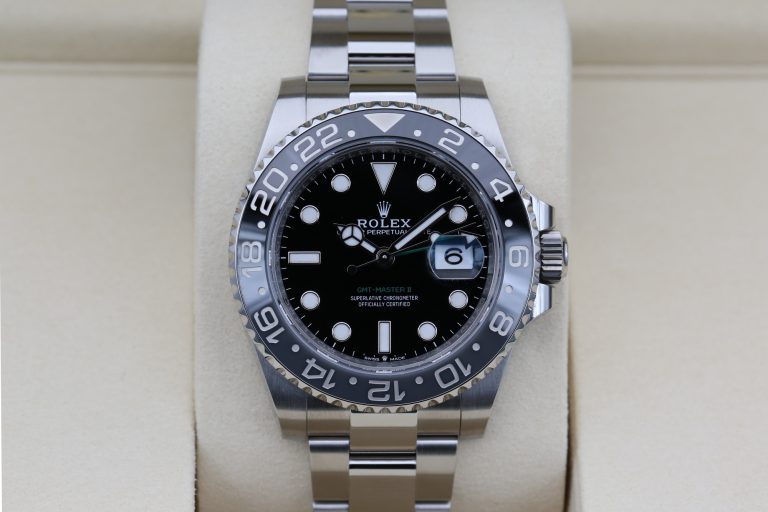
Have Rolex & Patek Philippe Prices Finally Stabilised?

Rolex and Patek Philippe Prices Have They Finally Stabilised?

For nearly two years the luxury watch market has been in a state of correction following the unprecedented highs of 2021 and early 2022. Rolex, Patek Philippe and Audemars Piguet saw soaring secondary market prices during that period driven by heightened demand and speculative investment. However since mid 2022 prices have been adjusting downward.

Recent data from WatchCharts.com suggests that prices may have finally found a floor, particularly for Rolex and Patek Philippe after a period of consistent decline.

At Kettle Club we closely monitor the pre owned watch market, helping collectors and investors navigate changing trends. Here is what the latest data reveals about current market conditions and where prices could be headed next.


Are Watch Market Prices Starting to Stabilise?

According to WatchCharts.com the Overall Market Index fell by just 0.2% in February 2025 which is one of the smallest declines in recent months. This suggests the downward trend is slowing and in some cases reversing.

Rolex Prices Show First Signs of Recovery

For the first time since September 2024 Rolex prices saw an increase rising by 0.2% in February 2025. It is a small shift but an important one that suggests demand for key models is holding firm.

Why is Rolex Leading the Market Recovery?

A History of Market Resilience

Rolex has always maintained some of the strongest resale values in the luxury watch market, which has consistently outperformed most other brands.

Supply and Demand Control

Unlike brands that flood the market Rolex carefully controls supply which keeps demand and resale values strong.

The Watches & Wonders Effect

Every year in the lead up to Watches & Wonders Rolex prices tend to increase as collectors anticipate new releases or potential discontinuations.

WatchCharts.com reports that this pattern has been evident in past years including March 2023 and March 2024 when pre owned Rolex prices saw a temporary boost ahead of new model announcements.


How Are Patek Philippe and Audemars Piguet Performing?

Patek Philippe prices dropped by 0.8% in February and are down 6.5% year over year according to WatchCharts.com. Meanwhile Audemars Piguet remained stable with no movement in February. This could indicate that prices for AP watches have reached their lowest point and may be on the verge of stabilising.

The decline in Patek Philippe’s prices is relatively minor compared to previous months which suggests that the market is adjusting rather than continuing a steep downward trajectory. Some models particularly in the Calatrava and Grand Complication lines are still correcting after the speculative price surge of 2021 and 2022. However core sports models such as the Nautilus and Aquanaut continue to command strong demand which is keeping overall prices from dropping too aggressively.

Patek Philippe Cubitus Release and Market Impact

A significant factor influencing Patek Philippe’s market performance is the October 17 2024 release of the Cubitus collection. As with most new luxury timepieces resale prices surged initially due to strong demand with early buyers willing to pay a premium to secure the watch before wider availability. However as more pieces enter the market resale values are expected to stabilise and find their equilibrium.

This trend has been observed across many high profile Patek Philippe releases such as the Nautilus 5711 Tiffany Blue which saw an immediate spike in secondary market pricing before gradually settling. Similarly when the Patek Philippe 5811 1G Nautilus replaced the 5711 early resale prices were inflated but as availability increased prices began to correct.

How Will Patek Philippe Prices Perform Moving Forward?

Continued Strength in Sports Models
The Nautilus and Aquanaut remain Patek Philippe’s most desirable collections with resale values holding steady despite broader market corrections. These watches consistently perform well due to their limited production and enduring demand among collectors and investors.

Correction in Grand Complications
Some of Patek’s more intricate models particularly those with minute repeaters perpetual calendars and tourbillons have seen slower resale movements. The market for ultra high end watches has softened slightly as speculative buyers shift toward more liquid assets.

Market Finding Its Floor
While the 6.5% year over year decline is notable the fact that the rate of decrease is slowing suggests that prices are close to stabilising. Historically Patek Philippe watches have retained their value well and once the market correction runs its course values may begin to appreciate again.

For collectors and investors this represents an opportunity to acquire undervalued Patek Philippe references before prices level off or start climbing again. At Kettle Club we continue to monitor these trends closely ensuring that our clients stay informed and well positioned in the market.


Which Watches Are Holding Their Value?

Not all watches are experiencing the same trends. Some collections are gaining value while others continue to decline.

Best Performing Watch Collections in February 2025 (Source WatchCharts.com)

Rolex Air King 1.0% Increase
The modern 126900 reference is still in demand with collectors drawn to its updated design and improved movement.

Rolex Daytona 0.8% Increase
One of Rolex’s most sought after collections continues to perform well.

Omega Seamaster 0.7% Increase
The Seamaster line especially the 300M and Ultra Deep models has seen renewed collector interest.

Watches That Lost Value

Breguet Tradition 2.3% Decrease
A highly respected name but secondary market value has struggled in recent years.

TAG Heuer Carrera 2.5% Decrease
The market correction continues especially for quartz and entry level automatic models.

Cartier Ballon Bleu 3.0% Decrease
The Tank and Santos collections are holding up well but demand for the Ballon Bleu has dropped.

This data reinforces that sports watches remain the safest investment with Rolex Omega and select AP models continuing to attract buyers.


What is Behind the Market Stabilisation?

According to WatchCharts.com several key factors are influencing the shift in market conditions.

Economic Conditions and Market Adjustment
The luxury watch boom of 2021 and 2022 was fuelled by low interest rates and an influx of speculative buyers which pushed prices well above retail. As financial conditions tightened in 2023 and 2024 the market corrected.

Now the worst of the correction appears to be over and the watch market is returning to a more sustainable level.

Rolex’s Strategic Production Management
Unlike some brands that overproduce Rolex carefully regulates supply which prevents over saturation and helps watches hold their value.

Models like the Submariner Daytona and GMT Master II continue to be produced in limited quantities which keeps demand high.

Even discontinued models like the Hulk Submariner 116610LV and the Batman GMT Master II 116710BLNR continue to command strong resale prices due to their scarcity.


The Build Up to Watches & Wonders 2025

As Watches & Wonders 2025 approaches speculation is already affecting pre owned Rolex prices.

Collectors are watching closely to see if

The Rolex GMT Master II Pepsi will be discontinued
If so expect prices to climb significantly.

A Platinum GMT Master II 70th Anniversary Edition could be announced
This would become an instant grail watch for collectors.

Patek Philippe will introduce new stone dial models
Given their recent market performance Patek may use this strategy to reignite demand.

What Does This Mean for Collectors and Investors?

With the market showing signs of stabilisation this could be the right time to make strategic watch investments.

Rolex remains the safest choice
Models like the Submariner Daytona and GMT Master II are likely to retain strong value.

Patek Philippe could present buying opportunities
With prices still adjusting now may be the best chance to pick up an undervalued reference before the market rebounds.

Focus on timeless highly sought after models
Collectors should prioritise watches with proven resale performance such as steel sports models rare references and discontinued pieces.


Final Thoughts Is Now the Right Time to Buy?

The latest data from WatchCharts.com suggests that the market is stabilising with Rolex showing the first signs of a recovery.

For collectors this could be one of the best opportunities to acquire key references before prices start rising again.

Interested in adding an investment worthy watch to your collection Get in touch with our team or browse our latest stock today.