The Celestial Timekeeper: Inside Patek Philippe’s Innovations

The Celestial Timekeeper: Inside Patek Philippe’s Innovations

Patek Phillippe is the search term I see most in our reader inbox. It usually lands next to questions about Patek Philippe watches and Swiss watch innovations.

The hype is real. The details matter more.

If you want a brand that can make a wristwatch feel like a planetarium, you end up circling back to Geneva.

Why Patek Phillippe still sets the pace for high-end timepieces

There’s a reason Patek Phillippe sits above most luxury watch brands in the public imagination. The design codes are recognisable. The finishing holds up under a loupe.

I’m mildly sceptical of the saintly aura. No manufacture is flawless. Patek is simply better at keeping the flaws off the shop floor.

Patek Philippe history also helps. It carries a quiet confidence. It avoids the shouty novelty cycle that drags down lesser high-end timepieces.

That restraint is the point. It’s also the trap.

Patek Phillippe and the accuracy obsession

Innovation at Patek Phillippe is rarely loud. It’s usually hidden in a balance assembly. It shows up months later as a calmer rate on the wrist.

The headline is the Patek Philippe Seal. It’s not just a movement stamp. It sets an accuracy target for the fully cased watch. (static.patek.com)

For movements above 20 mm, the tolerance is minus 3 to and 2 seconds per day. Smaller movements get a wider window. That’s strict by any normal retail standard. (static.patek.com)

Patek Phillippe and the silicon era that actually worked

Collectors love tradition. Watchmakers love repeatable performance. Patek Phillippe managed to sell both by pushing silicon-based parts without turning the watches into lab instruments.

The Advanced Research work brought Silinvar and the Spiromax hairspring into the mainstream of the brand. The trick was industrial consistency with old school finishing. (collectability.com)

The Pulsomax escapement is the kind of change that sounds boring. It’s not. Patek described efficiency gains of up to 15% from the redesign. That’s real headroom for stable amplitude. (phillips.com)

There’s also a patent mindset behind the romance. The Oscillomax oscillator family drove 17 patent applications for its components. (static.patek.com)

Innovation What it changes in daily wear 2026 buyer reality
Patek Philippe Seal rate targets Consistency on the wrist Expect tighter regulation than most dress rivals
Spiromax in Silinvar Better isochronism and shock resilience Now common across modern calibres
Pulsomax escapement geometry Improved energy efficiency Part of the modern Patek feel at the crown
Oscillomax patent cluster System thinking across oscillator parts One reason Patek keeps R and D so private

Complications with a point: calendars, chiming, the sky itself

When people say Patek Phillippe is the celestial timekeeper, they usually mean the astronomy pieces. They also mean the brand’s obsessive approach to calendar logic.

Start with the Celestial display. The current Grand Complications Celestial ref. 6102P-001 is the sort of watch you buy once. You either wear it weekly or never at all. (patek.com)

In 2026, UK list pricing for the 6102P-001 is £317,990. That figure is a useful anchor even if you never see one in the metal. (watchcharts.uk)

Then come the calendars. The appeal is not just complexity. It’s legibility. The in-line perpetual calendar approach is a neat answer to crowded dials, even if the price bracket is ferocious. (watchcharts.com)

Chiming watches are where the brand stops being a product. It becomes a craft discipline. Patek Phillippe has built an entire public exhibition room around sound in Milan this year. (patek.com)

The invisible craft: casework, dials, bracelets

The easiest way to spot a newcomer to Patek Phillippe is the conversation about “the movement only.” Patek doesn’t think like that. The exterior is part of the quality promise.

Take the Calatrava 6119R-001. The hobnail bezel isn’t there for nostalgia. It’s there because machining and hand finishing still looks better than most stamped shortcuts. (patek.com)

In March 2026, the UK list price for the 6119R sits at £30,280. That’s serious money for small seconds. The value is in proportion, feel, and finishing. (watchcharts.uk)

Dials are where the brand’s rare handcrafts reputation gets dangerous for the wallet. Enamel. Guilloché. Microscopic printing quality. This is where Patek Philippe history becomes physical.

Retail theatre in 2026: Bond Street, Geneva, Milan

If you want the full Patek Phillippe experience in the UK, the obvious stop is the London Salon. It sits at 16 New Bond Street. The space runs to roughly 1,000 m². (patek.com)

It’s not just marble and soft lighting. It’s a controlled environment for explaining why a complication costs more than a decent flat deposit. It’s also a polite filter for walk-ins.

For the industry crowd, Watches and Wonders Geneva runs 14 to 20 April 2026. Patek Philippe remains one of the gravitational centres of the fair. (watchesandwonders.com)

Then Milan takes over. The “Watch Art” Grand Exhibition runs 2 to 18 October 2026 at CityOval in CityLife. Booking opens 14 April 2026. If you care about craft, go. (patek.com)

Pricing and the secondary market in 2026

Let’s be honest about Patek Phillippe money. Retail is only half the story. The other half is availability. The third half is the premium people pay to skip the queue.

WatchCharts’ March 2026 market update put Patek Philippe up by 0.7% for the month. That’s calm compared with the wilder swings we saw earlier in the decade. (watchcharts.uk)

US pricing made headlines in 2026, with reported reductions tied to tariff changes. The detail matters less to a UK buyer. The signal matters more. Patek will move prices when it has to. (hodinkee.com)

Here’s a blunt snapshot using widely tracked references. These numbers move. They still frame the conversation.

Reference Family 2026 UK list price Indicative 2026 market price
6119R-001 Calatrava £30,280 Often below list when available fast
5167A-001 Aquanaut £22,000 Usually above list for immediate delivery
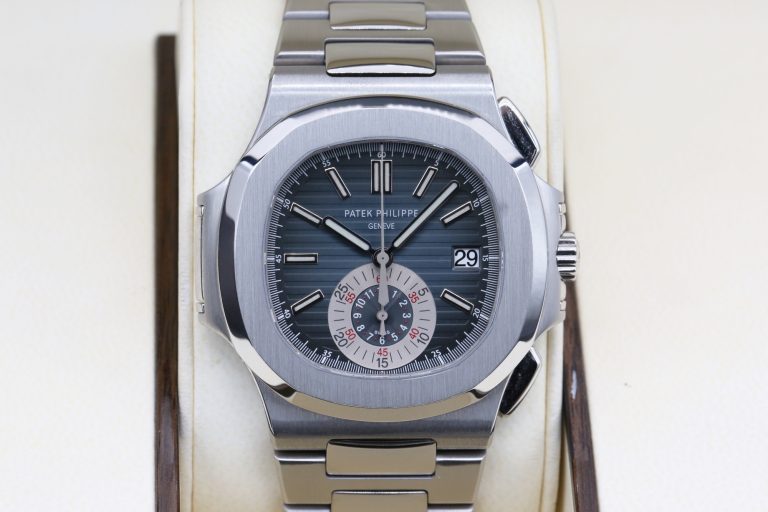
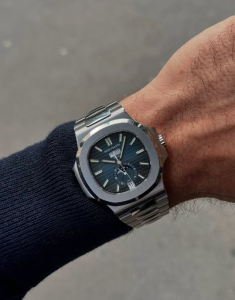
5712/1A Nautilus £44,410 £81,735 shown as market estimate
6102P-001 Grand Complications Celestial £317,990 Can sit below list in softer moments

The Aquanaut is the quiet troublemaker. It looks casual. It behaves like a scarce asset. In March 2026, the 5167A list price is £22,000. (watchcharts.uk)

For the Nautilus 5712/1A, WatchCharts shows £44,410 retail against £81,735 market. That spread is why allocations feel like a private club. (watchcharts.uk)

How to buy Patek Phillippe without playing yourself

If you want Patek Phillippe at retail, act like a long-term client. Don’t act like a flipper. The brand has a memory, even if it never says so out loud.

Be clear about what you’ll actually wear. Steel sports models are seductive. Dress pieces are easier to get. Some of the best Patek Philippe watches are the ones you can buy without theatre.

Ask practical questions early. Service intervals. Strap replacement pricing. Water resistance testing after a polish. These are ownership costs, not forum trivia.

  • Paperwork that matches the case and movement numbers
  • Dial condition under harsh light, not boutique glow
  • Bracelet fit with spare links accounted for
  • Seller incentives that push you into something you didn’t ask for

If you go secondary, buy the seller first. London has serious players. Bond Street also has tourists with loud opinions. You can guess which group costs more.

Patek Phillippe picks I would actually put on a wrist in 2026

I like a watch that earns its keep. That means comfort. It means legibility. It means a complication you’ll use on a random Tuesday.

The Calatrava 6119R is the editor’s answer. It’s restrained. It’s expensive. It’s still one of the cleanest ways into modern Patek Philippe history. (watchcharts.uk)

The Aquanaut 5167A is the pragmatic flex. It wears smaller than the numbers suggest. It also attracts attention you may not want on the Central line. (watchcharts.uk)

If you want the celestial angle, the 6102P is the pure expression. It’s also a reminder that Patek Phillippe is not selling time. It’s selling obsession at six figures. (watchcharts.uk)

That’s the real innovation. The engineering supports the myth. The myth sells the engineering.

Watch it explained

This guide draws on the shop’s own videos — watch them here:

The Investment Case for Patek Philippe Watches in 2026

Why Patek Phillippe still attracts capital in 2026

Patek Phillippe has never been a sensible purchase. In 2026 it can still be a Patek Philippe investment if you treat it like a specialist asset.

I’m not talking about flipping in three weeks. I mean buying scarce references, holding through noise, selling with paperwork intact.

The mood has changed. The froth is thinner. Serious money still chases the right steel sports pieces and the right complicated dress watches.

Patek Phillippe sits in that awkward sweet spot. It’s aspirational enough for demand. It’s restrained enough to keep supply tight.

The 2026 pricing shock and the quiet opportunity for Patek Phillippe buyers

The biggest watch story of 2026 is not a dial colour. It’s pricing policy.

Patek Philippe moved in two directions from 1 February 2026. US retail prices fell by as much as 8% for some models. Other regions were set for an increase of about 4%. (hodinkee.com)

If you buy in the UK, that matters. Retail moves tend to drag the secondary market with them. They do it slowly. They do it with plenty of arguments on forums.

Patek Phillippe premiums in London have started to look less uniform. The hottest Nautilus and Aquanaut references still trade above retail. The softer pieces can now be negotiated with a straight face.

The detail is important. Hodinkee also reported that appointment only models were due a smaller cut of about 3.4% in the US. It also flagged wider retailer margins by 3 to 4 percentage points. That’s bargaining power shifting towards the trade. (hodinkee.com)

Patek Phillippe and Patek Philippe market trends in 2026

If you want a clean read on the secondary market, ignore asking prices. Follow index data and realised transactions where you can.

WatchCharts shows the Patek Philippe brand index last updated on 26 March 2026. It was up +3.3% over three months. It was up +12.9% over twelve months. (watchcharts.com)

Those numbers don’t mean every reference is flying. They mean the brand has regained momentum. That’s a better base for a Patek Phillippe purchase than a one model bubble.

Chrono24’s market review, published on 2 February 2026, supports the same idea. It points to a shift towards dress leaning aesthetics, with rectangular cases up +9.3%. It also notes moon phase popularity up +15.3%. (about.chrono24.com)

This is where Patek Phillippe has an edge. The brand is not only Nautilus. Complications like moon phase, annual calendar, travel time, perpetual calendar fit current demand without trying too hard.

Model by model: where Patek Phillippe still earns its premium

Collectors love to pretend there’s a single “Patek market”. In 2026 it’s several markets stacked on top of each other.

Below are indicative UK dealer asking prices from March 2026 listings. They are not auction results. They are still useful as a temperature check.

Reference Family Indicative UK asking price in March 2026 Why it matters for Patek Phillippe buyers
5167A-001 Aquanaut £44,750 (bqwatches.com) Liquidity and recognisable design. Often a gateway piece.
5711/1A-001 Nautilus £95,000 (watchguru.com) Icon status and fixed supply. Still headline friendly.
5712/1A Nautilus £92,995 (the-watch-boutique.co.uk) Moon phase and power reserve. Sits neatly in current tastes.
5712/1A Nautilus £95,000 (loveluxury.co.uk) Same reference, different dealer. Prices cluster in a tight band.
5726/1A-014 Nautilus £105,000 (watchtrader.co.uk) Annual calendar appeal. It behaves like a “complication lite”.
5990/1A-011 Nautilus £107,450 (watchtrader.co.uk) Travel time and chronograph. It suits buyers bored of three hands.
5711/1R-001 Nautilus £140,000 (avantgardeluxe.com) Precious metal. Less flipper driven. More collector driven.

That spread tells you something. Steel icons keep the headlines. Complications quietly keep the bid. Gold Nautilus prices can be steadier than steel in some cycles.

Patek Phillippe strategy in 2026 is simple. Pick references with genuine two way demand. Avoid odd dial variants unless you know the buyer pool.

Liquidity and the truth about Patek Philippe resale value

This is where most “investment” talk gets sloppy. Patek Philippe resale value is not a single number. It depends on liquidity, condition, completeness, seller trust, timing.

WatchCharts data is useful here. For the Nautilus 5711/1A, it shows +30.8% over the past year. It also shows a median sell time of 67 days in February 2026. It reports 23 recorded sales in that month. (watchcharts.com)

The Aquanaut 5167A looks even cleaner on liquidity. It shows +26.1% over the past year. It shows a median sell time of 33 days in February 2026. It also shows 18 recorded sales. (watchcharts.com)

Now for the boring part. Dealer buy prices sit below retail. Auction fees bite. Shipping and insurance costs are real. The “profit” screenshots rarely include those lines.

If you want Patek Phillippe as a store of value, treat it like fine art. Buy quality. Document it. Assume the exit will cost you a chunk.

How to buy Patek Philippe in 2026 without paying idiot tax

There are two ways to buy Patek Philippe in 2026. You go authorised retail. You go secondary with your eyes open.

Retail is cleaner. It’s also political. In London, the wait list talk is polite. The reality is allocation, history, timing. Sometimes luck.

Secondary is faster. Secondary is also where fakes, swapped parts, polished cases, fantasy dials live. Patek Phillippe attracts some of the best counterfeits in the trade.

If papers are missing, you can still build provenance. Patek’s “Extract from the Archives” costs 500 Swiss francs, which is roughly £470 at typical late March 2026 rates. It’s stated with a delivery time of ten weeks. (patek.com)

  • Full set where possible. Box and papers still matter.
  • Recent service proof. Ideally from an authorised service centre.
  • The Watch Register check and sensible seller vetting
  • Condition over rarity claims

One more point. If you’re buying a Patek Phillippe sports reference, don’t rush. There’s always another example. The best one costs less in stress.

The costs that matter more than forum chatter for Patek Phillippe

If you’re making the investment case, costs decide whether the spreadsheet works. That includes servicing, refinishing, straps, insurance, storage.

Patek Philippe publishes service cost guidance. It lists a maximum public price of 1,000 Swiss francs for a modern self winding mechanical service. That’s roughly £944. It lists 2,100 Swiss francs for advanced complications like perpetual calendar and chronograph. That’s roughly £1,982. (patek.com)

Case and bracelet refresh is shown at 500 Swiss francs, which is roughly £472. Strap replacement is listed up to 450 Swiss francs for alligator, which is roughly £425. (patek.com)

If you want UK colour, independent London specialists often quote full overhauls around £950 to £1,800 depending on the watch. That’s not gospel. It’s a realistic planning figure for many modern pieces. (knightsbridgewatches.com)

This is also where Patek Philippe price history matters in practice. Retail rises push service pricing, insurance valuations, replacement parts. Your holding cost climbs even if the watch price stays flat.

A realistic 2026 investment case for Patek Phillippe

I’m mildly sceptical of anyone promising easy returns. I’ve seen too many watches bought on hype, then sold quietly with a story attached.

Still, the Patek Phillippe case is stronger than most brands. Scarcity is real. Demand is global. Index data in March 2026 is positive. (watchcharts.com)

The cleanest approach is boring. Buy liquid references with deep buyer pools. Keep them complete. Insure them properly. Avoid forced sales.

If you want a 2026 playbook, I would use this:

  • One steel sports icon that you can sell quickly
  • One complication aligned with current tastes like moon phase
  • Cash reserve for service and surprises
  • A long holding horizon

Patek Phillippe is not a substitute for savings. It’s not a pension. It can be an intelligent allocation for someone who already has the basics sorted.

Watch it explained

This guide draws on the shop’s own videos — watch them here:

The Future of Luxury: Patek Philippe’s Industry Vision for 2026

A 2026 view from the shop floor

Patek Phillippe is being discussed in London as if it’s a currency. That is the mood around Patek Philippe watches in 2026.

Clients still want the old signals of status. They also want less noise. The best maisons have noticed.

Luxury in 2026 is not about shouting. It’s about access, service, provenance, and the confidence to wear something only insiders recognize.

Patek Phillippe and the price question in 2026

Anyone selling high watchmaking in the UK has had the same conversation since January 2026. Price rises are no longer a rumor. They’re a planning assumption.

The trade chatter points to mid single digit uplifts across many Swiss houses. I would budget for 5% to 9% across core references by late spring 2026. That feels consistent with the tone of commentary circling retailer briefings.

Patek Phillippe sits in a slightly different pocket. Demand is still being rationed through allocations. That gives the brand more freedom to adjust list prices without killing momentum.

A steel sports piece that lists at £25,000 can easily become £26,500 after a tidy increase. A precious metal complication listed at £90,000 can push towards £97,000 with the same percentage move.

For context, the best public discussion of watch pricing behaviour going into 2026 is still found in industry editorials. See Hodinkee for market framing. See SRK Haute Horlogerie for the kind of price rise talk collectors are circulating.

Why UK buyers feel it more sharply

UK clients see the number on the tag. They also feel the knock on effect in part exchange values.

A list increase can lift pre-owned asking prices for the “clean” examples. It can also narrow premiums when the wider market goes soft. Both can be true in the same month.

Patek Phillippe buyers in Mayfair have become more tactical. They ask for full cost of ownership. They ask about servicing, straps, and insurance valuations.

The Nautilus anniversary and what Patek Phillippe might actually do

The 50th anniversary of the Nautilus lands in 2026. That matters even for collectors who pretend they’re bored of the conversation.

Anniversary years tend to bring commemorative details. The sensible money is on subtle dial work, case finishing tweaks, and a small run of boutique led pieces. Grandstanding would be out of character.

If you want a read on the speculation, start with The Luxury Hut. It tracks the kind of predictions that dominate WhatsApp groups, then it grounds them in how the brand usually behaves.

Patek Phillippe doesn’t need to “save” the Nautilus. It needs to manage the secondary market heat without looking like it’s feeding it.

What I expect to see at Watches and Wonders 2026

April 2026 is the moment the industry watches. Geneva will be full of forced smiles, then everyone will study the product photos like forensic accountants.

I expect at least one Nautilus reference with a dial colour that photographs well in low light. I also expect at least one piece that makes far more sense in person than online.

A true volume play is unlikely. Patek doesn’t chase volume. It protects waitlists as a feature, not a problem.

Quiet money has changed the brief

Patek Phillippe is the default answer for clients who have done the loud watches already. The shift in 2026 is that even first time buyers want understatement.

There’s a practical reason for this. Wearing a hyped steel sports watch in a West End restaurant now attracts the wrong attention. That changes buying behaviour.

This is also where luxury watch brands have split into two camps. Some lean into flash. Others lean into discretion, then they charge more for it.

Patek Philippe history helps here. The brand has always sold taste. It sells family logic, not influencer logic.

The new luxury signal is documentation

Documentation has become part of the product. Clients ask about extracts, original sales receipts, and service papers.

Patek Phillippe benefits because its archival culture is taken seriously. It also benefits because its watches tend to live in safes with better paperwork.

Even the language has changed in 2026. Clients say “complete set” more than they say “mint”. That’s a healthier obsession.

Patek Phillippe models that define 2026 in real terms

Most people talk about one or two sports lines. The working reality is broader. The clever clients build a small group across dress, travel, and calendar complications.

Patek Phillippe doesn’t need to flood the market with novelties. It needs a coherent set of references that feel inevitable when you try them on.

Here is how I see the year shaping up across key Patek Philippe models. Prices are typical UK retail levels seen in 2026 conversations. Exact lists vary by configuration.

Family What buyers want in 2026 Typical UK list range Typical immediate market premium
Nautilus Bracelet comfort, anniversary detail, strong dial legibility £55,000 to £95,000 10% to 40%
Aquanaut Daily wear practicality, travel time function, rubber strap versatility £22,000 to £60,000 15% to 55%
Calatrava Thin cases, precious metal warmth, quiet dial design £25,000 to £55,000 0% to 15%
Complications Annual calendars, world time, practical grand complication stepping stones £45,000 to £160,000 0% to 20%

Patek Phillippe clients are also looking harder at precious metal sports pieces. The sticker shock is real. The wearability is often better than steel once you live with it.

Don’t ignore dress references in 2026. The market has become less hysterical. That makes value easier to find for people who care about the watch itself.

What I would avoid this year

I would be cautious with tired pre-owned examples offered as “investment grade”. If the polishing is heavy, then the value story collapses.

I would also be wary of buying purely off a forum narrative. Try the watch on. Look at it in grey daylight, then decide.

After-sales is where the modern luxury battle sits

Patek Phillippe sells longevity. The test is whether service capacity keeps pace with demand in 2026.

Clients now accept that proper work takes time. They don’t accept silence. Communication is the product.

In practical terms, I see routine service quotes in the UK landing around £1,200 to £3,500 depending on complication. More involved work can push higher. That’s not scandalous. It’s the cost of doing it correctly.

A watch that’s worn hard also needs straps, clasps, and pressure testing. Those smaller line items are where budgets get surprised.

What good looks like in 2026

Good after-sales means clear lead times. It means written estimates. It also means returning replaced parts when policy allows.

It also means advice that isn’t sales coded. If the watch can wait until autumn 2026 for service, then a decent adviser should say so.

Patek Phillippe is well placed here because the brand story supports the slow craft narrative. The risk is that clients start to compare service experiences across competitors more openly.

The pre-owned reality check and Patek Phillippe investment talk

Patek Phillippe is still treated like a store of value. The smarter reading in 2026 is more nuanced.

There are pieces that behave like assets. There are also pieces that behave like cars. They drop once you drive them, then they stabilize.

The phrase Patek Philippe investment is useful only if you define the horizon. A six month flip depends on hype. A ten year hold depends on condition, rarity, and paperwork.

In the UK at the moment, I see many dealers more willing to negotiate than they were at peak frenzy. Premiums have not vanished. They’ve become selective.

Numbers that matter more than the headline auction results

Ask for a timegrapher reading. Ask for a water resistance note if it’s meant to be worn near water.

Check bracelet stretch. Check clasp sharpness. These details separate a strong buy from a future regret.

Patek Phillippe buyers who do this homework end up happier. They also tend to keep the watch longer, which is the point.

Where the wider industry is heading in 2026

There are two big forces shaping watches in 2026. First is pricing pressure across Swiss supply chains. Second is a more informed buyer who expects transparency.

You can see the anniversary driven calendar across the wider market in 2026 previews. Two solid examples are Monochrome Watches plus Outlook Luxe.

Patek Phillippe sits above most of that noise. It still needs to react to buyer expectations around traceability, then it needs to do it without turning into a tech brand.

Among luxury watch brands, this is the fault line. Some will chase novelty. Others will refine the same reference quietly for a decade.

  • Clienteling feels more private in 2026. Less mass email. More appointment only.
  • Materials are discussed with more honesty. Expect fewer vague claims.
  • Allocation politics remain. The difference is that clients talk about it openly.
  • Smaller case comfort is back. It suits suits, then it suits real life too.

Patek Phillippe does well when taste moves away from excess. 2026 is shaping up that way.

If you are buying in 2026 with a UK budget

I get asked the same question on Bond Street. “What would you buy with £30,000?” It’s a fair number because it forces discipline.

Patek Phillippe may not be realistic at that exact figure at retail for the most chased lines. Pre-owned can make it workable. Dress pieces also bring it within reach.

Here is a practical shortlist I would consider in 2026. It assumes you want to wear the watch, not just store it.

  • Pre-owned Calatrava with full set. Fewer complications. Better daily peace of mind.
  • Aquanaut on strap only if the condition is sharp. Walk away from soft cases.
  • A simpler complication like an annual calendar if you value mechanics over hype.
  • A competing dress icon from a top maison. Use it as a control group for value.

My bias is simple. Buy the watch you will still want in December 2026 when the noise has moved on. That is where Patek Phillippe keeps winning.

Watch it explained

This guide draws on the shop’s own videos — watch them here:

Finding the Perfect Fit: A Guide to Patek Philippe Models

Finding the Perfect Fit: A Guide to Patek Philippe Models in 2026

Patek Phillippe is the name people drop in Mayfair when they want to sound serious about watches. The catch is that “serious” can still mean wildly different things across modern Patek Philippe watches.

If you’re weighing up Patek Philippe models in 2026, fit is not just case size. It’s also thickness, bracelet geometry, dial legibility, service tolerance, and how much patience you have for the buying process.

I’m going to be slightly opinionated here. That’s the only useful way to navigate Patek without sleepwalking into a watch that looks brilliant online then feels wrong every day.

Patek Phillippe collections that actually wear well

The headline mistake is shopping by hype. In 2026 the “right” watch is often the one you can wear without fuss. That usually means a shape that sits flat and a dial you can read at a glance.

The core Patek Philippe collections cover very different lifestyles. Some are built for a cuff. Some are built for a weekend. Some are built for people who like having an argument with their insurer.

Patek Phillippe Calatrava as the quiet first step

Patek Phillippe in Calatrava form is still the cleanest route into the brand’s dress codes. It’s the line I point to when someone says they want “one good watch” then describes a life of meetings, dinners, and occasional travel.

In practical terms, many Calatravas sit in the mid 30mm to high 30mm bracket. Thickness often stays sensible. That matters if you wear a shirt properly rather than leaving the cuff undone.

If you want one watch to age gracefully, start here. If you want Instagram friction, this is not it.

Nautilus versus Aquanaut in 2026

Patek Phillippe is still judged in public by its steel sports pieces. That’s not always flattering. The Nautilus wears broader than its diameter suggests due to the case shape and the bracelet integration.

The Aquanaut is often the easier daily wear. It can feel less “precious” on the wrist. The strap also saves you the bracelet scratch anxiety that ruins many first weeks of ownership.

Be realistic. If you chase these lines, you’re also choosing the hardest buying experience.

Complications, Grand Complications, and the “are you sure” problem

Complications are where Patek becomes Patek. It’s also where many buyers lose the plot. A perpetual calendar looks romantic until you realize you won’t set it yourself.

Grand Complications are spectacular. They’re also watches you plan a day around. If that idea sounds exhausting, listen to that instinct.

Patek Phillippe fit basics: size, thickness, and strap geometry

Fit starts with your wrist, yet it ends with the watch’s proportions. A 40mm watch can wear small. A 37mm watch can wear wide. Lugs, bezel shape, and bracelet end links do most of the work.

Patek Phillippe cases often look restrained in photos. On wrist, some references feel surprisingly present due to polished surfaces. Under office lighting, polish reads bigger.

Here’s what I use as a fast filter in 2026. It’s not a rule. It’s a starting point for trying on.

  • 34mm to 37mm for classic dress proportions
  • 38mm to 40mm for modern daily wear
  • Under 10mm thickness if you live in shirts
  • Bracelet taper matters more than diameter

Don’t ignore thickness. A complicated watch can turn “elegant” into “top heavy” fast. That’s the moment you stop wearing it.

Also take straps seriously. A stiff alligator strap can fight your wrist for weeks. A rubber strap can make an expensive watch feel instantly usable.

Patek Phillippe price reality in 2026

Let’s talk money without pretending. The Patek Philippe price is rarely the full story. UK VAT sits at 20% and demand patterns still push some references into uncomfortable premiums.

Patek Phillippe at retail can be “reasonable” in relative terms. Secondary prices can be a different sport. In March 2026 I still see steel sports pieces trading at +80% to +220% over typical UK list levels, depending on reference, dial, and condition.

Use ranges, not fantasies. The table below is a practical guide for budgeting in the UK market during 2026. It assumes full sets for pre owned pieces. It assumes decent condition.

Family Typical UK list range in 2026 Typical UK pre owned range in 2026 What it feels like on wrist
Calatrava £25,000 to £45,000 £18,000 to £55,000 Thin, neat, cuff friendly
Aquanaut £45,000 to £70,000 £75,000 to £140,000 Sporty, easy, strap led
Nautilus £35,000 to £65,000 £90,000 to £250,000 Wide wearing, bracelet centric
Complications £45,000 to £120,000 £40,000 to £160,000 Often thicker, more delicate feel
Grand Complications £120,000 to £1,000,000+ £130,000 to £1,200,000+ Statement wear, special occasions
Twenty 4 £20,000 to £45,000 £14,000 to £55,000 Comfort first, jewellery adjacent

This is why “cheap for a Patek” is a dangerous phrase. Patek Phillippe ownership costs don’t stop at the till. Insurance alone often lands around 1% to 2% of declared value per year in 2026.

If you’re stretching, pick the watch you’ll wear weekly. A safe queen is not a flex. It’s a waste.

Complications without the headache

Patek Phillippe complications are genuinely brilliant. They can also be a trap for first time buyers who want “the most watch for the money”. That mindset belongs in consumer electronics, not in high end mechanical.

Start with what you’ll use. A date you set once a month is fine. A perpetual calendar you’re afraid to touch is silly.

Three complication choices that make sense in 2026

A world time is practical if you travel. A chronograph is useful if you actually time anything. An annual calendar suits normal life, since it needs modest correction.

Minute repeaters are magical. They also make you paranoid in a pub. I’d never call that relaxed ownership.

Budget for upkeep. For a simple service on many Patek Philippe watches, it’s sensible to ring fence £900 to £2,500 in 2026. For complex pieces, you can be far north of that.

Also budget for time. Service timelines vary, yet 8 to 20 weeks is not unusual for premium brands once shipping, assessment, and parts are factored in.

How to buy Patek Philippe in the UK without losing your mind

To buy Patek Philippe in 2026 you need to choose your lane early. Authorised retail is the cleanest route on paper. It’s also the slowest route for the most chased references.

Patek Phillippe demand still runs ahead of supply in the obvious places. Expect polite conversations on Bond Street and a lot of “we’ll be in touch”. Sometimes they will. Often they won’t.

Authorised dealer versus specialist pre owned

Authorised dealers give you the full brand experience. You get the warranty and the calm feeling of being the first owner. You also accept that allocation is a real word with real consequences.

Specialist pre owned dealers can solve the problem fast. Burlington Arcade is still a reference point for browsing. Hatton Garden is still useful for comparison. You pay for convenience. You also need sharper judgement on condition.

If you go pre owned, insist on the basics. Walk away if anything feels evasive.

  • Box, papers, and matching numbers where relevant
  • Recent service paperwork, even if informal
  • Clear photos of case edges, clasp, and bracelet stretch
  • A proper invoice with serials recorded

Patek Phillippe buying should feel grown up. If it feels like a hustle, it probably is.

Patek Phillippe dials, metals, and the small choices that change everything

The dial is what you see every time. The case metal is what everyone else sees. Get both right, since you can’t unsee a choice that irritates you.

In 2026, I see more clients asking for restrained colours. Greys, silvers, and off whites feel less trend led. Green can look sharp, yet it dates fast if the shade is too loud.

Steel is the obvious daily winner. It’s also the most fought over. White gold is the stealth option, since it reads like steel to most people. Rose gold can be gorgeous, yet it shows knocks differently under warm light.

Patek Phillippe bracelets are stunning when they fit. They can also feel unforgiving if you’re between sizes, since micro adjustment is not always generous.

Straps deserve equal attention. A dress reference on a glossy strap can feel overly formal in 2026. A matte strap can modernise the whole watch without shouting.

Picking the right Patek Phillippe for your actual life

This is the part most guides avoid. They want you to admire the catalogue. I want you to wear the thing.

Match the watch to your week. That’s the only reliable way to choose between Patek Philippe models that all look perfect in a display tray.

Three real world fit profiles

Office heavy usually points to Calatrava style proportions. Thin cases matter. Quiet dials matter. You’ll thank yourself every Monday.

Travel heavy points to a world time or a dual time set up. Legibility matters more than romantic movement chat. Airports are not kind to fussy watches.

Weekend heavy is where sportier pieces shine. An Aquanaut style wearing experience makes sense. It tolerates weather and it looks right with knitwear.

If you want a single watch, go conservative. If you already have a daily piece, then you can be bolder. That’s where Patek Phillippe can be most fun.

A practical shortlist process for 2026

Here’s my method for narrowing choices fast. It saves time in boutiques. It also keeps you honest on budget.

First, decide your wear ratio. If the watch will be worn under a cuff, prioritise thinness. If it will be worn casually, prioritise comfort and strap flexibility.

Second, set a hard ceiling. Include insurance, first service planning, and a strap replacement. A serious strap can still be £300 to £800 once you go beyond entry level.

Third, try on more than one size. Patek Phillippe wearing experience can change dramatically with one step in diameter. If you buy unseen, you’re gambling with comfort.

If you want to browse the brand’s current catalogue for 2026, start with the official site. Use it for reference, not for pricing assumptions. Patek Philippe official website.

Final word on getting the fit right

Patek Phillippe is not a box to tick. It’s a long ownership decision. You’ll live with the fit more than the story.

Pick the watch that suits your wrist, your wardrobe, and your patience. The “perfect” model is the one that disappears on the wrist, then reappears when you glance at the time.

If you keep circling the same reference after a month, take that as a signal. That’s usually the right one.

Watch it explained

This guide draws on the shop’s own videos — watch them here:

Entering the Prestige: Buying Your First Patek Philippe

Entering the Prestige: your first steps with Patek Phillippe

Patek Phillippe is the name that still makes seasoned collectors sit up in Mayfair. If this is your first luxury watch, buying Patek Philippe needs a calmer approach than most expect.

You’re not just choosing a dial colour. You’re choosing a shop relationship, a servicing timetable, a resale reality, and a daily-wear compromise.

In 2026, the smart move is to treat the first purchase as a foundation piece. Save the “hero” reference for later. That is how you stay in control.

What people get wrong about Patek Phillippe at the start

The romance is real. So is the admin. A Patek purchase is more like applying for a private members’ club than ordering trainers online.

Patek Phillippe sits at the awkward intersection of high craft and low supply. That combination pulls you towards impatience. Impatience is where people overpay.

There’s also a quiet trap. Many buyers chase a single steel sports reference. They ignore fit, wrist time, and the fact they may not even like the bracelet long term.

Retail reality in London: where Patek Phillippe is bought

Start with authorised retailers. In London, that means Bond Street energy. It also means formality, discretion, and a sales process that moves at its own pace.

In 2026, most desirable Patek Philippe watches are allocated. That word matters. You can have the funds ready. You can still be waiting.

Patek Phillippe demand is not just “collectors”. It’s also family gifting, corporate bonuses, and international visitors who treat London as a buying trip.

Ask direct questions. “What can you sell me this quarter?” beats “What is your waiting list like?” every time.

How to present yourself without the cringe

Be straightforward. Say what you’ve owned. Say what you’ll wear. Say what size works.

Skip the hype language. The staff have heard it all. They can spot a flipper in minutes.

  • Bring one watch you actually wear
  • Know your wrist size in millimetres
  • Offer two or three acceptable references
  • Be ready to buy the same day if offered

Budget first, fantasy second: the Patek Phillippe money talk

Set a ceiling before you step into a boutique. The brand has a way of making “a bit more” feel painless. It’s not painless when the card bill lands.

For a first piece in 2026, a realistic UK budget often starts around £20,000. It can run to £80,000 fast once you add complications or precious metal.

Give yourself headroom for ownership costs. A Patek is not a one-off spend. It’s a long-term commitment with service intervals that arrive whether you wear it or not.

Costs people forget in the first year

Insurance is the obvious one. In London, many owners end up around 0.8% to 1.5% of the watch value per year. Your postcode will decide the final figure.

Straps add up. Factory leather, and a clasp change, can turn into £600 to £1,200 surprisingly quickly.

Plan for servicing. Even a simple time-only piece can run into four figures once you include polishing choices and any replacement parts.

Patek Phillippe models that make sense for a first luxury watch

This is where I take a stance. Your first Patek should be easy to wear, easy to service, and not emotionally exhausting to own.

Ignore the comment-section obsession. Start with shape, thickness, and whether you want a date. Then work backwards into Patek Philippe models that match your life.

Patek Phillippe doesn’t reward “one watch fits all” thinking. It rewards buying the watch that gets wrist time.

Calatrava: the grown-up entry

A Calatrava is the cleanest route into the brand. It’s also the model family that teaches you what the finishing looks like up close.

For many buyers, it’s the least stressful Patek to own. You can wear it to a wedding. You can also wear it to a Tuesday meeting without feeling like a billboard.

Aquanaut: sportier, less formal, still not casual

The Aquanaut is where modern Patek lives. It suits real life in 2026. It also attracts the loudest secondary-market pricing.

If you travel often, it’s a practical choice. If you want stealth, pick a darker dial. Avoid anything that screams across a restaurant table.

Nautilus: the obvious dream and the hardest reality

The Nautilus is the model everyone asks for first. It’s also the model that teaches you patience fast.

If you only want this line, accept the timeline. Accept the relationship-building. Accept that the pre-owned route may be cleaner, even if it stings.

Complications: buy them because you’ll use them

Annual calendars and travel-time pieces are brilliant when they match your routine. They’re pointless if you set them once, then baby the watch forever.

For a first purchase, keep it readable. Complications can wait until you know what you enjoy owning.

Category Good first choice in 2026 Typical UK spend range What to watch for
Dress Calatrava on leather £20,000 to £40,000 Case size and how glossy the dial looks under office lighting
Everyday sport Aquanaut on composite strap £35,000 to £70,000 Secondary premiums and strap wear at the lugs
Icon steel Nautilus on bracelet £60,000 to £150,000+ Bracelet stretch and over-polishing on pre-owned examples
Useful complication Travel-time style functionality £45,000 to £120,000 Setting procedure and how you store it when not worn

The mechanics of buying Patek Philippe in 2026

Forget the myths. There’s no single queue. There’s allocation,, judgement, and the reality of what turns up in the safe.

Be flexible with metals, dials, and strap options. That flexibility is often the difference between owning a watch in February 2026 and still “waiting” in December 2026.

Patek Phillippe purchases also hinge on timing. Deliveries arrive in batches. Staff change. Priorities inside the retailer shift.

How to ask for the watch without sounding like a flipper

Say you want to wear it. Say you have a reason to buy now. Give a clear story that sounds like a real life.

Don’t mention “value retention” in the first five minutes. It’s the fastest way to cool the room.

  • “This will be my main watch for work”
  • “I prefer 38mm to 41mm”
  • “I’m fine with leather if it wears slimmer”
  • “I’m local and I can collect in person”

Pre-owned and vintage: doing Patek Phillippe the safe way

The pre-owned market is where many first-time buyers end up. It can be the fastest way to get the exact reference you want. It can also be where mistakes become very expensive.

In 2026, the best pre-owned dealers behave like curators. They provide condition notes,, timing results, and a clear returns policy. That’s what you pay for.

Patek Phillippe pieces are heavily scrutinised. A swapped dial, a polished case, or missing paperwork can change value by 10% to 30% in a heartbeat.

Paperwork that actually matters

Box and papers matter more than people admit. They matter for resale. They also matter for your own peace of mind.

Ask for service history. Ask for serial consistency. Ask for a written invoice that describes the watch precisely.

If you want an extra layer of comfort, use databases for due diligence. The Watch Register is one option in the UK for theft checks.

Patek Phillippe and the investment chat: keep your head

Yes, Patek Philippe investment talk is everywhere in 2026. It sells content. It also tempts people into paying the wrong price for the wrong watch.

Here’s the sober version. Some references do appreciate. Many do not, once you factor fees, servicing, and the cost of tying up cash.

Patek Phillippe ownership is best framed as value storage with upside potential. Treating it like a day-trade is how buyers get burnt.

Fees can turn a “profit” into a loss

Auctions charge sellers’ fees. Platforms charge commissions. Dealers build margin into every offer.

If you sell, assume friction. A 8% to 20% haircut is not unusual once the real costs appear.

If you buy pre-owned, aim to buy condition. Condition is what survives market mood swings.

Living with Patek Phillippe: service, care, and daily wear

This is the part no one posts on Instagram. A fine watch is a machine. Machines need care.

Wear it with confidence. Also be honest about your lifestyle. If your week includes gym kit, heavy commuting, and the odd DIY moment, pick accordingly.

Patek Phillippe bracelets pick up marks. Polished bezels pick up marks faster. That’s normal. Over-polishing is not.

A sensible care routine for 2026

Keep the watch away from magnets where possible. That means laptop speakers,, some handbag clasps, and wireless chargers on desks.

Use a soft pouch when travelling. Use a proper watch box at home. Skip the cheap winders that sound like a fridge.

  • Rinse salt water off cases with fresh water
  • Don’t “test” water resistance in a hot shower
  • Keep receipts for straps, clasps, and service
  • Photograph the watch clearly for insurance

A practical buying plan for Patek Phillippe buyers

If you want to do this properly in 2026, treat it like a project. Not an impulse. Your future self will thank you.

Start by trying on three sizes. Do it under natural light. Do it with your actual cuff.

Then decide your route. Retail if you can wait. Pre-owned if you want certainty on timing. Auction only if you can judge condition in person.

Patek Phillippe is meant to be enjoyed. Buy the watch that fits your wrist,, your diary, and your tolerance for attention.

A simple timeline you can follow this month

Week one. Visit two authorised retailers. Register interest in two references. Leave with written details.

Week two. View three pre-owned examples at reputable dealers. Compare condition. Compare paperwork.

Week three. Choose one direction. Commit. Pay only when the invoice is exact.

Week four. Insure it. Wear it. Stop refreshing prices. That’s the quickest way to sour your first Patek Phillippe experience.

Watch it explained

This guide draws on the shop’s own videos — watch them here:

Patek Philippe vs. Rolex: The Ultimate Luxury Showdown

The 2026 question every serious buyer still asks

Patek Philippe versus Rolex is not a fair fight. It’s a revealing one. It tells you what you value when the price is already uncomfortable.

In February 2026 the market feels calmer than the hype suggests. The best pieces still move quickly. The middle ground has more stock than most people admit.

I sell to clients who want one watch to do everything. I also sell to collectors who treat a dial like a document. Those are different instincts. Patek and Rolex serve them in very different ways.

Status versus stature

Rolex is the most legible status symbol in modern luxury. You can spot a Submariner from a café table in Marylebone. That’s the point.

Patek Philippe is quieter. The brand wants you to feel initiated. The person across the room is not supposed to recognise it.

Production tells its own story in 2026. Market estimates put Rolex output around 1,000,000 watches a year. Patek Philippe is often cited closer to 60,000.

Rolex wins mass desirability. Patek wins watchmaking stature. If you want both then you’re shopping for two different lives.

Design codes that do not need explaining

Rolex designs are industrial. That’s not an insult. The cases are consistent. The bracelets feel engineered for daily impact.

In 2026 the core Rolex look is still the same playbook. Submariner for the diver fantasy. GMT Master II for the airport fantasy. Datejust for everyone who wants a watch that never looks wrong.

Patek Philippe uses a broader vocabulary. Calatrava lines are clean. Complication dials can be busy on purpose. Nautilus and Aquanaut still sit at the centre of the modern demand story.

The uncomfortable truth is that many buyers only want steel sports. That narrows the argument. It also makes Patek feel artificially small.

Movements and finishing under a loupe

Rolex movements are built for predictability. The brand sells consistency more than romance. The feel is tight. The winding is purposeful.

Rolex still positions its modern calibres around daily accuracy. The published tolerance is commonly quoted as -2 to +2 seconds per day after casing. That’s a serious promise for a mass producer.

Patek Philippe sells finishing as part of the product. Anglage and striping matter because clients expect them to matter. You pay for time spent on details you may never photograph.

Patek’s own seal sets expectations on rate performance in 2026. You’ll often see figures quoted around -3 to +2 seconds per day for larger movements. Small calibres can allow a wider band.

Materials and the feel on the wrist

Rolex steel is a selling point. The bracelets are the real product for many clients. A Jubilee on a Datejust still has a particular shimmer under London shop lighting.

Rolex gold in 2026 is brilliant. It’s also loud. Some clients love that. Some clients regret it within a fortnight.

Patek Philippe steel feels different. It’s often slimmer. The finishing is more nuanced. The watch can feel delicate next to a chunky sports Rolex.

Patek precious metal pieces can be sublime. They can also feel like museum objects when your week includes the Tube. That matters more than people admit at the first appointment.

Buying one at retail in 2026 is its own sport

Walk into a Rolex authorised retailer on Bond Street in 2026 and you’ll see displays that look full. Ask for a steel Daytona and the conversation changes. You’ll hear the soft language of allocation.

Rolex waiting lists are not a single list. They’re a relationship system. Purchase history helps. Local profile helps. Being realistic helps most of all.

Patek Philippe retail can feel even more selective. Some references are effectively spoken for before they land. You’re buying into a long horizon.

The grey market is still part of the reality. I see clients do it for speed. I also see them regret paying a premium when the mood cools.

The money bit, with pounds and percentages

In 2026 there’s still a gap between list price and real world price for certain steel sports watches. That gap is not uniform. It depends on model. It depends on condition. It depends on paperwork.

As a rough guide in the UK market, hot Rolex sports can trade at 10% to 90% over list. Hot Patek sports can sit at 30% to 160% over list. Dress Patek often behaves very differently.

Clients hate hearing this. A Calatrava can be a better watch than an Aquanaut. It can also be a weaker trade when you exit. That’s not morality. It’s demand.

Brand Model Typical UK list price feel in 2026 Typical UK pre owned asking range in 2026 What I see in shops
Rolex Submariner Date £9,000 to £10,500 £9,500 to £12,000 Often near list if you can wait. Clean full set sells fast.
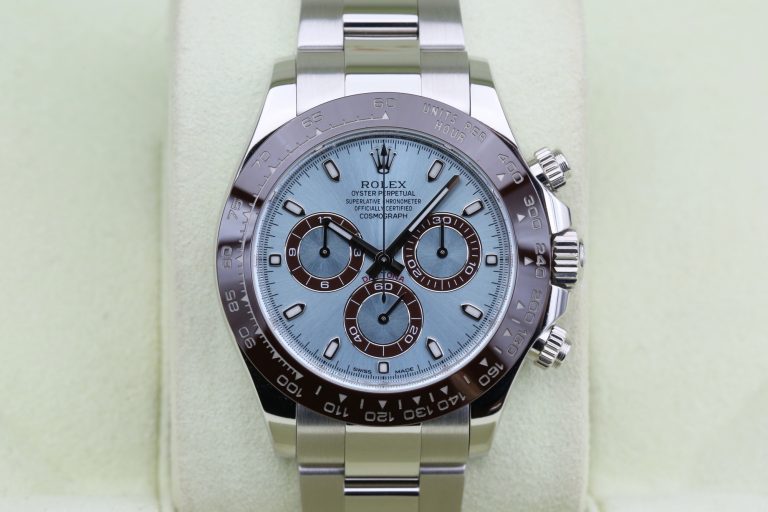
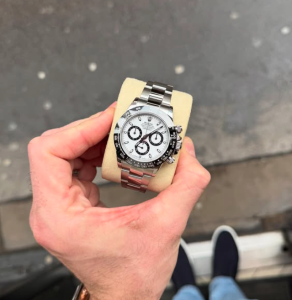
Rolex Cosmograph Daytona in steel £13,500 to £16,000 £20,000 to £30,000 Still a social token. Most buyers cannot get retail access quickly.
Rolex Datejust 36 on Jubilee £7,000 to £9,000 £6,500 to £9,500 The sensible Rolex. Availability is better than the internet suggests.
Patek Philippe Calatrava time only £24,000 to £35,000 £18,000 to £32,000 Often underappreciated. Best value is usually pre owned.
Patek Philippe Aquanaut in steel £24,000 to £35,000 £40,000 to £70,000 Demand stays intense. Sporty look with real scarcity.
Patek Philippe Nautilus in steel £35,000 to £50,000 £80,000 to £160,000 Still the lightning rod. Clients buy it for the story as much as the watch.

Resale value is not the same as value

Rolex resale strength in 2026 is real. It’s also uneven. The hype watches stay buoyant. The odd configurations can sit for months.

Patek Philippe resale is brutally model dependent. Steel sports can look like a magic trick. Many complicated gold references trade with heavy discounts.

This is where people confuse price with quality. A watch that loses money can still be a better object. You just need to be honest about why you bought it.

I’m mildly sceptical of anyone who claims they’re buying a watch purely as an investment. They usually want the attention as well.

Servicing, aftercare, long ownership

Rolex servicing in the UK is straightforward. The network is large. Turnaround can still be slow in busy periods. Parts access is generally excellent when you stay inside the system.

Typical servicing costs in 2026 can vary. A simple Rolex service might land around £600 to £1,200 depending on model and parts. A chronograph can push higher.

Patek Philippe service is a different rhythm. The brand is careful. Some work goes back to Geneva. That means time.

Costs can be serious in 2026. A basic Patek service can start around £1,000 to £2,500. Complications can climb into £5,000 plus territory.

Which should you buy in 2026

If you’re choosing one watch for daily use then Rolex is the easier call. It’s tough. It’s legible. It travels well.

If you’re building a collection then Patek Philippe is the deeper rabbit hole. You get craft and heritage. You also get more moments where only you know what’s on your wrist.

  • Choose Rolex if you want durability and liquidity
  • Choose Patek if you care about finishing and complications
  • Buy pre owned if you hate waiting lists
  • Try the watch on twice. Once in the morning. Once after a long day

A final word and sources I actually point clients towards

The truth in 2026 is that Rolex is the best luxury sports watch brand at scale. Patek Philippe is the more rarefied watchmaker. Neither makes the other irrelevant.

If you want my bias then here it is. I trust Rolex when the watch has to earn its place. I respect Patek Philippe when the watch is allowed to be impractical.

Further reading from a few useful summaries:

If you’re still torn then do the sensible thing. Buy the watch you’ll wear on a wet Tuesday. Save the fantasy piece for later.

Watch it explained

This guide draws on the shop’s own videos — watch them here:

Buying Polished Luxury Watches: What Collectors Need to Know

Professional polishing of luxury watches polishing is a precise, multi-step process. Technicians first remove bracelets and sometimes the movement, then clean the case, often ultrasonically to remove dirt. Small scratches are gradually buffed away using progressively finer abrasives, for example, sanding sticks followed by buffing wheels with polishing compounds (rouge or diamond paste) and brushed finishes are restored with fine-wire brushes. Authorised service centers use specialised equipment and trained polishers to control this process. Rolex for instance requires apprentices to train for years before polishing on the job. As one expert notes, “a single polishing operation is high stakes: a few seconds too long and you take the watch too far, too short and you leave scratches”. By contrast independent polishers may lack brand specific lathes or data, so it’s critical they also have extensive experience. Reputable watchmakers (authorised or qualified independents) know the precise angles, mixes of brushed vs. polished surfaces and correct pressure to use. In practice a professional polishing service will usually disassemble the case, then use high-precision lathes and rotating wheels with successively finer abrasives, finishing with a jeweller’s buffing cloth.

Authorised centers vs. independent polishers often differ in tools and guarantees. Brand service centers (Rolex, Omega, etc.) use factory approved machines and procedures and trained in-house specialists. For example Rolex’s official polishers are taught to “carefully maintain the watch’s original proportions, edges and factory finishes” even as they remove scratches. Omega similarly suggests trusting only certified experts: an authorised Omega service is recommended to “maintain its luster without compromising the integrity of the metal”. Independent watchmakers can also polish expertly, but buyers should ask questions: do they disassemble the watch and remove the movement before polishing? They should, to avoid damage. In general professionals, whether brand authorised or master craftspersons, will use high-precision polishing lathes and inspection tools. Non professionals or amateurs risk uneven surfaces, distorted bevels or even permanently rounded edges. As one guide warns, DIY polishing is risky and irreversible, without proper tools you can “create uneven finishes, round edges or damage the metal”.

Brand Finishes: Rolex, Audemars Piguet, Omega, Patek

Each luxury brand has signature case finishes that demand care. Rolex cases combine polished and brushed surfaces with very crisp bevels. Owners prise the factory sharp lugs and edges. Rolex’s own guidelines emphasise preserving these lines, in-house polishers are trained to “ensure the watch keeps its sharp lines and signature design while removing scratches”. Polishing too aggressively can soften those edges, so Rolex trained technicians polish carefully. In contrast a poorly done polish on an Oyster case will leave the lugs thinner and rounder. Collectors often say “originality always trumps shine” on a Rolex, scratches and factory bevels add character.

Audemars Piguet (AP) cases, especially the Royal Oak and Offshore, rely on alternating mirror and satin surfaces on complex facets. Over polishing can blur the crisp angles of the iconic octagonal bezel. Watch guides note that polishing tends to “soften sharp edges and alter intricate designs” like the Royal Oak’s finishes. In practice any polishing must be extremely precise to avoid ruining AP’s flat polished facets and brushed sides. Unpolished or lightly polished AP Royal Oaks often command the highest prices, one analysis notes that “unpolished AP Royal Oak and Patek Calatrava models often sell for higher prices” than their polished counterparts.

Omega generally uses standard polished steel cases and some ceramic or precious metal models. Omega’s service centers will polish watches as part of servicing, even suggesting owners of precious metal Constellations “have it professionally polished by an authorised OMEGA service center to maintain its luster”. However Omega care guides warn against DIY: improper polishing “can slowly degrade metal layers and erode elegant case profiles over time”. In other words, routine gentle buffing with a cloth is fine, but any heavy polishing is best left to certified technicians.

Patek Philippe watches are finished entirely by hand with extreme care. Cases are meant to age gracefully with a soft patina. Patek emphasises preserving original finishes, for example a rare steel Patek 1518 with untouched edges sold at auction for a record price. Heavy polishing on a Patek Nautilus or Calatrava will round off delicate chamfers and degrade value. In a notable case a vintage Patek ref. 2497 was lightly polished at service so its stepped lugs remained sharp, it sold for $1M at auction. However the same report observes that “heavily polished vintage watches often sell for much less”. Rolex, Omega and similar sports models can accept periodic polishing without massive value loss, especially if performed by the brand, whereas haute horlogerie pieces like Patek and AP lose significant allure when over polished.

Auction Case Studies

Auctions illustrate how condition drives value. The standout lesson is that, all else equal original (unpolished) examples nearly always attract higher bids. For example Phillips sold an unpolished Rolex triple-calendar (ref. 6062) for CHF 2,117,000 in 2023, a world record price, noting it was an “exceptional specimen preserved in unpolished condition”. By contrast Phillips experts pointed out that a similar Daytona chronograph (ref. 6263) failed to sell in 2019 because “the case is a bit polished” and not original.

Even the most famous watches demonstrate this gap. The Rolex “Paul Newman” Daytona (ref. 6239) was sold by Phillips in 2017, famously still unpolished, for $17.75 million, the highest price ever paid for a wristwatch. Its pristine originality, tropical dial and untouched case was a major factor. In contrast a similar Daytonas with rounded lugs or refinished dial would command far less. A Hodinkee panel notes that “a polished Submariner or GMT-Master might come down more than an unpolished, very mint example”, reflecting the premium on untouched condition.

Other brands show the same trend. Patek’s record breaking sales have been mostly originals, a steel Patek ref. 1518 (perpetual chronograph) remained unpolished and netted over $16.6 million. Christie’s reports echo this, many early Rolexes “had been polished over the years, making the lugs a bit thinner,” whereas the rare unpolished examples (with patina) drew fierce bidding. Auction houses and collectors consistently note that original patina and sharp case lines add value, while excessive polishing erodes it. These examples underline a key point, polishing may revive appearance, but it permanently alters the case. Collectors reward mint originality every time.

Tips and Red Flags

Scrutinise the Case Details. In photos, pay close attention to the lugs, edges and overall symmetry. Over polishing rounds off normally crisp angles, for instance the bevels on a GMT-Master or Royal Oak should look sharp on an unpolished piece. If the lugs appear overly thin or have no distinct chamfers it’s a red flag. Likewise the lug holes should retain crisp edges, unusually smooth or enlarged holes often indicate past polishing. Look for fine scratches or tiny dents. A 40-year-old watch “shouldn’t gleam like it just came out of the factory”. Uniform glossiness on an older vintage watch usually means it has been refreshed.

Examine the Finish Pattern. Many watches mix satin brushed and mirror polished surfaces. Check that the brushing, e.g. on the case sides or bracelet center links remains consistent. Imperfect polishing jobs often leave uneven grain or inconsistent contrast between brushed and polished areas. Ask the seller for high resolution photos under bright light, ideally from multiple angles to spot any irregularities or warped surfaces.

Ask Probing Questions. A reputable seller or polisher should welcome detailed questions. For example, inquire “Was the watch fully disassembled before polishing?” A professional service will remove the movement and crown to avoid damage. Ask “What techniques were used to preserve the original shape?” or if there is any warranty on the polishing work. If possible request documentation of service history, official service records often note whether polishing was performed. Watch experts also suggest checking reviews or references for any independent polisher involved, looking specifically for praise about retaining sharp edges on brands like Patek or AP.

Watch Out for Red Flags. Be skeptical of photos that look “too perfect.” If a supposedly vintage watch looks brand-new or if all surfaces reflect the same even sheen, it may have been over polished. A few small scratches are not necessarily bad, they can actually confirm the watch has not been freshly refinished. A truly unpolished watch will always have some wear marks. Also watch for engraving and serial numbers, polishing can make them shallow or blurry. Lastly be cautious of listings that hide details: e.g. no photos of lug holes or asking too few questions. Demand clear images of the case sides and between the lugs.

When buying online look closely, ask about polishing history and prefer transparency. A minor polish done by a pro is fine, but any hint that a watch has been aggressively refinished should give buyers pause. As one expert advises instead of chasing an impossible “untouched” condition, focus on whether any polishing was done properly, with care to keep the original lines.

Everyday Wear: Pros & Cons

The choice between a polished or untouched watch often comes down to personal taste and priorities. Pros of Polishing: A freshly polished watch looks sleek and new, hiding most surface scratches and giving a mirror like shine. For modern daily wearers this can be very appealing. One guide notes that polishing “restores the original shine and elegance” so that a Rolex Datejust or Omega Seamaster “look as stunning as the day you got them”. Some owners simply prefer a flawless case and feel more confident with a shiny watch on their wrist. Polishing also smooths rough nicks, which can make wearing the watch more comfortable if you dislike sharp burrs.

Cons of Polishing: Every polish removes a microscopic layer of metal, permanently altering the watch’s dimensions and finish. For collectors this is a major drawback, “originality matters” and visible patina or scratches are prized. Polishing cannot be undone without complex and costly metalwork. Repeated polishing gradually rounds edges and can distort the case over time. As one source warns, improper or excessive polishing can “soften sharp edges” and ruin the intricate design of a Patek Nautilus or Rolex Submariner. From a value standpoint, polishing a vintage or collectible watch usually reduces its resale price. Auction results show that unpolished originals often fetch far more, one example being the Rolex Daytona above, while polished peers lag behind.

Aesthetic Considerations: Some buyers prefer the “character” of an unpolished watch. Tiny scratches and a warm patina tell a story of the watch’s life. Others prefer a polished look, equating it with a well maintained appearance. Omega suggests treating case care like “fine furniture polish”, i.e. occasional gentle buffing, rather than a full factory rework. That middle ground approach can keep a watch looking good without erasing all personality.

Comfort and Wearability: Properly polished cases have smoother surfaces that may feel nicer next to the skin or fabric. Sharp factory edges on an unpolished watch can sometimes catch on clothing. However major brands design their edges to be comfortable as manufactured. In practice comfort differences are minor and subjective.

Value Retention: This is often the decisive factor. If you plan to resell a watch someday or simply like owning something original, keeping it unpolished or lightly polished is safer. Even watchmakers acknowledge this: many note that excessive polishing on vintage models is a value killer. As one expert bluntly puts it, “if you own a vintage watch, don’t polish it, period”. On the other hand, if you view a watch purely as a tool for daily use, a professional polish can maintain its appearance without hurting you much, especially on modern pieces.

In the end the choice reflects personal preference. A polished modern watch presents a flawless showpiece every day, whereas an unpolished piece shows its journey and may retain more value. Regardless of your decision the most important rule is to have any polishing done correctly by a pro. Improper polishing is always worse than skipping it entirely. When done carefully a fresh polish can refresh a watch, but when overdone even the sharpest edge or rarest patina is lost forever.

Sources: Advice and examples in this guide draw on industry experts and auction records. Notable references include Bob’s Watches (Rolex specialist)bobswatches.combobswatches.com, Omega and WatchSkins care guidesbobswatches.comwatchskins.sg, the watch-pro site Watchlabwatchlab.sgwatchlab.sg and major auction house results (Phillips, Christie’s)phillips.comwatchlab.sg. These illustrate how polishing is done and valued in the world of luxury watches.


Rolex vs. Patek Philippe: Which Is the Better Investment Watch?

Investing in luxury watches has become increasingly popular and two brands dominate the conversation in Rolex and Patek Philippe. Both are legendary Swiss watchmakers with iconic models and passionate followers. But when it comes to investment potential which offers the better bang for your buck? In this comparison we’ll explore how Rolex and Patek Philippe stack up in terms of value retention, demand, rarity and long term returns for collectors and investors. 

Brand Prestige and Heritage

Both Rolex and Patek Philippe boast rich histories and prestige but they occupy slightly different niches in the luxury watch world.

  • Rolex is renowned for its robust tool like sports watches and timeless designs. Over the decades Rolex built a reputation for innovation in durability, from inventing the first waterproof watch case to the first self winding mechanism in 1931. Rolex’s image is tied to adventure and achievement, iconic figures like Sir Edmund Hillary and James Bond wore Rolex cementing its status in pop culture. This broad appeal makes Rolex one of the most recognised luxury brands globally, synonymous with success and reliability.
  • Patek Philippe represents the pinnacle of traditional watchmaking. Patek is revered for its artisanal craftsmanship, complex complications and exclusivity. With nearly two centuries of heritage, Patek has produced some of the world’s most intricate watches, from perpetual calendars to minute repeaters and remains family owned, adding to its mystique. It is the brand of royalty and connoisseurs, Patek timepieces have been owned by queens, kings and titans of industry and they feel like hand made works of art in a way few others do. In terms of pure prestige and horological pedigree, many consider Patek Philippe the very top of the pyramid.

It’s clear that both brands have unparalleled prestige. Patek Philippe might edge out in old world prestige and exclusivity, while Rolex’s brand is arguably more globally iconic and broadly “aspirational.” But how do these differences translate into investment performance? To answer that, we must look at production numbers, demand dynamics and the secondary market.

Patek Phillipe Rolex


Production, Scarcity and Demand Dynamics

One major difference between Rolex and Patek Philippe is how many watches they produce and this greatly impacts investment value:

  • Rolex Production & Demand: Rolex makes significantly more watches than Patek, on the order of nearly a million per year. In recent years Rolex has been producing around 1 million to 1.1 million watches annually. This is high relative to Patek, yet Rolex manages to maintain scarcity. Thanks to worldwide demand far exceeding supply at authorised dealers, even a million Rolexes per year aren’t enough, popular models have waitlists and shortages. Rolex deliberately controls supply and doesn’t flood the market. This strategy combined with its quality and brand cachet, fuels a thriving secondary market. In other words Rolex achieves a balance of accessibility and desirability, it makes more watches so that it’s globally ubiquitous, but still not enough to meet demand, keeping prices strong. Many Rolex models (especially steel sports models) are famously hard to get at retail and often resell for a premium as a result.
  • Patek Philippe Production & Demand: Patek is the opposite of mass production. The company keeps output very low to preserve exclusivity. Only around 60,000–62,000 Patek Philippe watches are made each year, a tiny fraction of Rolex’s volume. This deliberate scarcity means if you own a Patek, you’re in a fairly small club. Patek’s limited production drives high demand among collectors; certain models have multi year waiting lists or require extensive purchase history to obtain. The ultra limited supply ensures that popular Pateks retain or increase their value due to sheer rarity. Exclusivity is part of Patek’s DNA, the brand even refuses to cater to fads or ramp up production, guarding its reputation carefully. For investors, this scarcity can be a double edged sword, it often means higher entry prices and fewer opportunities to buy, but it also can lead to exceptional value retention for those pieces you do acquire.

Rolex produces many more watches yet still enjoys supply shortages due to massive demand whereas Patek produces very few watches creating intrinsic rarity. Both approaches result in strong secondary market interest, but the typical investor might find it easier to acquire and trade Rolex pieces simply because there are more of them circulating and at a wider range of price points. Patek’s scarcity makes it more exclusive, sometimes you must pay a premium to get the model you want, as there may be no other way. Now let’s see how these dynamics play out in resale value and investment returns.

Resale Value and Value Retention

One of the key metrics for any “investment watch” is how well it holds or appreciates in value over time. Here, both Rolex and Patek Philippe have excellent track records, routinely outperforming most other brands. However the nature of their value retention differs:

  • Consistent Premiums on Rolex: On average Rolex watches tend to maintain strong resale value. Many coveted Rolex models sell for above their original retail price on the secondary market. In fact, recent market analyses show that Rolex watches average around a 48% premium over MSRP in resale, compared to about a 27% premium for Patek Philippe on average. This means if you bought a popular Rolex at retail you could potentially sell it for roughly 1.5 times what you paid, whereas a typical Patek might fetch around 1.27 times retail. This isn’t a hard rule, but it reflects how reliably Rolex holds value across a broad range of models. Part of this is due to Rolex’s huge global demand and relatively accessible pricing, there are always buyers for a pre owned Submariner or Daytona, keeping prices buoyant.
  • High Peaks on Patek: While Patek’s average resale premium may be lower, the ceiling is undeniably higher. Patek Philippe is known for record shattering auction results and sky high appreciation on rare references. Put simply ultra rare Patek models tend to outshine Rolex in pure price appreciation. For example, consider limited or complicated Pateks, a grand complication Patek that was very expensive to begin with might resell for tens or hundreds of thousands more than its original price, far exceeding any absolute gain a Rolex could deliver. Recent data confirms this pattern, one analysis found that while Rolex investors saw an average profit of around £7,000 on premium models, Patek investors saw average gains of about £44,000 on their high end pieces. In other words Rolex might give a higher percentage return on many models, but Patek can deliver jaw dropping dollar returns on the most coveted references.
  • Auction Records: Nothing illustrates Patek’s top end strength vs. Rolex like their auction records. Nine out of the ten most expensive watches ever sold at auction are Patek Philippes. Patek Philippe holds the current world record price for any watch: in 2019, a Patek Grandmaster Chime (ref. 6300A 010) sold for an astonishing $31 million. Rolex’s highest record, while also impressive, is the $17.7 million paid for Paul Newman’s Rolex Daytona (ref. 6239). These records show that at the very pinnacle of collectability, Patek reigns supreme, its heritage pieces and grand complications are the most sought after by ultra wealthy collectors. Rolex’s top vintage models like that Paul Newman Daytona still fetch stratospheric prices, but generally in the few millions range, not tens of millions. For an investor, this means Patek has greater “blue sky” potential for truly exceptional pieces, whereas Rolex’s value lies in consistent performance across a larger number of models.

It’s worth noting that the past few years (early 2020s) saw an unprecedented spike and correction in the watch market. Both Rolex and Patek prices surged in 2021 2022 due to heightened demand and speculation, then saw a correction in 2022 2023. By early 2025, the market appears to be stabilising for both brands. For instance in February 2025 Rolex resale prices actually ticked up slightly for the first time in many months, while Patek prices were down a modest 0.8% that month and about 6.5% year on year, indicating a leveling off after the earlier cooling. Crucially even through the correction, core models from both brands held much of their value – neither Rolex nor Patek crashed the way lesser known brands did. Rolex’s historically strong resale and Patek’s long term desirability provided a floor. This resilience underscores why these two names are perennial favorites for anyone looking at watches as investments.

Iconic Models and Investment Case Studies

To truly compare Rolex vs. Patek as investments, we should examine some specific models that have become legends in terms of value retention or appreciation. Each brand has its all stars:

Rolex Investment Icons:

  • Rolex Daytona (especially vintage): The Daytona chronograph is a star performer in Rolex’s lineup. Vintage Daytonas from the 1960s–70s (such as the “Paul Newman” variants) are holy grails that went from a few hundred dollars decades ago to millions at auction today. Even modern Daytonas are investment worthy; for example, the stainless steel Daytona (ref. 116500LN) has been so in demand that its auction prices in 2024 averaged around £25,000 – about an 11% year over year increase. This model retailed for far less, meaning it has consistently traded at a hefty premium. The Daytona exemplifies the Rolex formula, iconic design, limited availability and broad collector enthusiasm translating to rising values over time.
  • Rolex Submariner: The Submariner dive watch is another model with legendary status. Certain references have become collector favorites that appreciate once discontinued. A great example is the Submariner “Hulk” (ref. 116610LV, green dial/bezel, 2010–2020). At retail it was a few thousand pounds, but after Rolex discontinued the Hulk in 2020, secondary prices jumped significantly (often double retail or more at the peak). Older vintage Subs like a 1970s ref. 1680 or the 1980s ref. 5513 have seen massive gains from their original prices decades ago, especially if in good condition with box & papers. In 2024, a modern no date Submariner 124060 was averaging ~£10.2k at auction, up 8% year on year, showing that even current production Subs often appreciate in the resale market.
  • Rolex GMT Master II: Sporty GMT models with distinctive bezel colours (nicknamed “Pepsi”, “Batman”, “Root Beer”, etc.) are hugely popular and often trade above retail. For instance the GMT Master II “Pepsi” (red/blue bezel) and “Batman” (blue/black bezel) in steel have waitlists at dealers and strong resale value. Rolex even released a left handed version with a green/black bezel nicknamed the “Sprite” in 2022 and like clockwork, it commanded hefty premiums initially due to novelty and rarity. These GMT models are not limited editions, but Rolex’s controlled supply keeps them scarce enough that values remain solid. Collector demand for classic Rolex sports models ensures liquidity and value retention, whether it’s a GMT, Sub or Daytona.
  • Rolex Day Date (“President”): The Day Date especially in gold with the signature President bracelet, is more of a dress model but has enduring investment appeal in certain configurations. Vintage Day Dates from the 1970s–90s have appreciated as collectors seek birth year pieces and classic designs. Modern Day Date 40 models (ref. 228238, etc.) in rare dial colour can also gain value if production is limited. Generally, while steel sports Rolexes are the hottest investments, gold Day Dates hold their value well due to gold content and iconic status – and some unique dial variants become quite collectible.
  • Rolex Oyster Perpetual (OP) – Special Dials: Not traditionally thought of as an “investment” watch, the simple Oyster Perpetual shocked everyone in 2020–2021 by becoming a hot commodity. Rolex introduced brightly coloured dials and the turquoise blue OP 41mm – dubbed the “Tiffany” dial by collectors – skyrocketed in price. During the pandemic craze, this entry level Rolex saw secondary prices at one point reach 5–10 times retail! A watch that retailed around £3700–£4500 was selling for much higher due to a speculative bubble and the influence of Patek’s own Tiffany Blue Nautilus release. While those extreme prices have since cooled, it proved that even an unassuming Rolex can become an investment rocket if market hype takes hold. It’s a reminder that Rolex’s brand power is so strong that virtually any model can catch fire if collectors decide it’s the next must have.

Patek Philippe Investment Icons:

  • Patek Philippe Nautilus: The Nautilus is arguably the single most important Patek Philippe model for investment discussion. Designed by Gérald Genta in 1976, this elegant stainless steel sport watch was relatively underappreciated for decades until the past 5–10 years when demand exploded. The blue dial Nautilus 5711/1A (now discontinued) became so sought after that at one point in 2021 its market price was nearly 5–6 times its retail price, a frenzy rarely seen in the watch world. When Patek discontinued the 5711, prices spiked even further. Although they cooled off from the peak, the Nautilus still trades for far above original retail. At auction in 2024, an average 5711 was around $84,000 (down 6% year over year after the broader market correction), still an enormous premium considering its retail was around $30k. Limited editions like the Tiffany & Co. co signed Nautilus (with a robin’s egg blue dial) have sold for insane figures (over $6 million at auction in late 2021). In short the Nautilus has proven to be a modern investment phenomenon, turning a $30k watch into a six figure asset if you were lucky enough to get one at retail. Even new Nautilus iterations like the 5811 in white gold and sibling models Nautilus Chronograph, Nautilus Travel Time, etc. command high demand, though Patek is careful not to flood the market. The Nautilus’ combination of Patek prestige, Genta design and limited supply make it a true investment legend.
  • Patek Philippe Aquanaut: Often considered the Nautilus’ younger sibling, the Aquanaut introduced in 1997, has also seen rising fortunes. With its modern, casual design and rubber strap, the Aquanaut was once the “cheaper” Patek sports watch. But today models like the Aquanaut 5167A or the larger 5168G are in huge demand, especially after people priced out of the Nautilus turned to the Aquanaut. Certain Aquanauts like those with green dial or the chronograph version trade well above retail. While not as extreme as the Nautilus, the Aquanaut’s value trajectory shows a similar pattern: limited supply + sports watch appeal = strong investment potential. It’s now quite common for Aquanauts to sell pre owned for double their retail price and they remain hard to get from Patek dealers.
  • Grand Complications and Limited Editions: Patek’s bread and butter are complicated dress watches, perpetual calendars, chronographs, minute repeaters, etc. These are very expensive at retail and typically produced in small numbers and often in precious metals. As investments many of these hold their value or appreciate steadily over long periods, though not as explosively as the steel sports models. For example, a Patek perpetual calendar chronograph like the ref. 5270P (platinum) was cited in an auction study as having +19% year over year growth in price, indicating solid performance. High complications tend to sell for hefty sums at auctions, sometimes much more than retail if especially rare e.g. limited editions, unique piece grand complications, etc. Patek also creates occasional unique art pieces like handcraft dials, etc. that can appreciate immensely due to rarity as only a handful exist. The key with Patek complications is finding the truly special references, those can become million dollar auction hits, for instance vintage references like the 1518 perpetual calendar or modern super complications like the Grandmaster Chime. Patek’s top pieces are often considered “blue chip” assets in the watch world, analogous to investing in fine art, they may appreciate slowly but are very unlikely to ever lose significant value given their significance and scarcity.
  • Patek Calatrava (classic dress watches): The Calatrava line, epitomising the classic gold dress watch is more for collectors who appreciate timeless style than for flippers seeking big gains. Most Calatravas don’t skyrocket in price on the secondary market, in fact some depreciate slightly if bought new, since they lack the hype of sports models. However vintage Calatravas from the mid 20th century have become collectible and can command high prices at auction if they’re rare references or have unique provenance. A modern Calatrava Pilot style(like the 2015 Pilot Travel Time was Patek’s attempt to add a bit of sportiness to the Calatrava family, those have been well received and hold value, but again not “investment grade” in the way a Nautilus is. So Calatravas are usually stable stores of value rather than big appreciators, a safe choice if you love the watch, but not the highest growth segment of Patek.

In comparing models Rolex’s investment strength lies in its sports/tool watches which are produced in larger numbers but also have incredibly broad demand. Many of the Rolex examples listed illustrate how even across different eras these models tend to at least hold their value and often increase. Patek’s strength is in its exclusivity and high complication pieces, with the Nautilus being the huge exception that behaves more like a hyped Rolex in the market. An interesting trend is that Patek’s sports models have appreciated the most in recent years, showing that the market really rewards that steel sport watch category, no matter the brand.


Liquidity and Market Considerations

Investment isn’t only about upside, it’s also about how easily you can realise that upside. Liquidity or how quickly and easily you can sell an asset without losing value, is another factor where Rolex and Patek differ:

  • Rolex: High Liquidity – Thanks to its larger collector base and recognisable name, Rolex watches are extremely liquid. They sell quickly on secondary markets and at auction. A study of auction data showed Rolex watches had a 98% sell through rate and averaged just 6 days to sell at auction, whereas Patek watches had about an 83% sell through and took around 15 days on average to sell. This means if you want to “cash out” of a Rolex, you’ll likely find a buyer faster and with less hassle. Additionally, there are many dealers and platforms dealing in Rolex, which creates a competitive marketplace. In essence Rolex is like a high demand stock, it trades frequently and at tight spreads. This makes it ideal for those who may want to flip watches or need the flexibility to sell quickly.
  • Patek Philippe: Patient Sellers & Niche Market – Patek is highly coveted but by a more select group of collectors. There are fewer Pateks out there and they are generally more expensive, which naturally shrinks the pool of immediate buyers. As noted, Pateks moved slower at auction on average and not every piece is guaranteed to sell unless it’s priced right. One auction analyst famously summarised: “Rolex is the stock, Patek is the bond – one trades constantly, the other appreciates long term”. Pateks often require finding the right buyer who appreciates the piece. However, when that buyer is found, they might pay very handsomely. So liquidity is lower, but that’s often fine for Patek owners who tend to hold their watches longer as part of a collection or even as family heirlooms. Patek is where “serious collectors build legacy portfolios,” whereas Rolex can be a bit more of a trading asset.
  • Market Confidence and Authenticity: Another consideration is authenticity and fakes, sadly a reality in the luxury watch market. Rolex being so popular has more issues with counterfeits, high grade “superfakes” exist for models like the Submariner or Daytona. Patek Philippe on the other hand is harder to counterfeit convincingly due to the complexity and also has measures in place to assure authenticity. Industry experts note that “It’s very hard to have a fake Patek”, the brand invests heavily in preserving its integrity and supporting owners with documentation. This gives high end buyers comfort when spending large sums on Patek. Rolex watches are also routinely authenticated by auction houses and dealers, so fraud can be mitigated, but it’s a point to keep in mind. In terms of market confidence, both brands are trusted, but Patek carries an extra aura of “no compromise” quality that hardcore collectors respect.

In practical terms if you want easier entry and exit, Rolex is the way to go. If you’re building a long term collection and don’t mind some extra legwork to sell a piece, Patek can reward patience. Many savvy investors actually hold both, Rolex for stability and liquidity, Patek for the long haul appreciation on special pieces.

Final Verdict: Which is the Better Investment?

After examining all these factors, the “better” investment watch brand between Rolex and Patek Philippe ultimately depends on your investment strategy and goals. Here are the key takeaways to consider:

  • For Reliability and Liquidity – Choose Rolex: If your aim is a safe, steady return and the ability to cash out when needed, Rolex is tough to beat. The brand’s worldwide demand and controlled output virtually ensure that most steel sport Rolexes won’t lose value. In fact they often creep up in price year after year in the pre owned market. Rolex is a lower downside risk investment, values might dip in a broad market correction, but historically they recover well and Rolex has one of the strongest resale value track records in the industry. It’s also an accessible investment, you can start with a relatively modest model and still participate in the brand’s value retention. Think of Rolex as the blue chip stock of watches, dependable, easy to trade, with a solid yield over time. Many collectors start their “investment watch” journey with Rolex for these reasons.
  • For High End Potential and Prestige – Choose Patek Philippe: If you’re targeting the top end of the market and are willing to spend larger sums, Patek Philippe can offer returns that Rolex cannot duplicate. Owning a Patek is joining an exclusive club. Certain references, especially limited editions or discontinued icons like the Nautilus have seen astronomical increases in value, outpacing almost anything else. Patek is the brand that dominates auctions and garners deep respect from seasoned collectors. As an investment Patek watches can be seen as long term assets that appreciate steadily and sometimes dramatically, akin to fine art or vintage wine. However you often need to hold them longer to realise their full value. Patek is ideal if you’re a serious collector investor thinking in terms of decades and legacy. As one expert said, “Patek is where serious collectors build legacy portfolios.”
  • Both Are Safer Bets Than Most: Importantly choosing between Rolex and Patek is somewhat like choosing between two excellent options. Both brands have proven over decades that their watches can retain and increase in value, whereas many other luxury watches depreciate. In the secondary market Rolex and Patek Philippe consistently rank among the top brands for resale value and demand. They are the only two brands that people often buy with near certainty that the watch will be worth as much or more in the future. So you really aren’t “wrong” with either it’s more about what fits your budget and investment style.

If pressed to answer which is the better investment watch, you might say Rolex is the better choice for the majority of watch investors due to its combination of value growth, liquidity and lower entry barrier, but Patek Philippe can be the superior investment for those able to acquire rare pieces and hold for the long term, thanks to its unmatched prestige and scarcity. A Rolex might appreciate in a steady linear way, while a Patek could be flat for a while then spike in value with the right market conditions. Savvy collectors often diversify, maybe a Rolex Submariner or GMT to anchor the collection and a Patek complication or sports model for big upside potential.

Ultimately the best investment watch is one that you not only buy at a fair price and sell at a profit, but also one that you enjoy owning in the meantime. Both Rolex and Patek Philippe produce watches that deliver immense pride of ownership. They are different flavors of excellence, Rolex with its robust sport luxury and universal recognition and Patek with its refined craftsmanship and exclusivity and each can claim superiority in different aspects of investment value. Whichever you choose, you’ll be in the company of passionate collectors and a long history of horological success, which is a rewarding journey in itself.

References:

Luxury Watches Kettle Club Invest In and Why?

Investing in luxury watches is as much about passion as it is about financial sense. Sam, co-founder of Kettle Club has a distinctive approach to buying timepieces, he treats them as stores of value rather than quick flip investments. In this editorial we explore which watches Sam would put his money into and why based on his philosophy and current market trends. (This is our opinion and a guide based on Sam’s approach, not formal financial advice.)

Sam’s Approach to Watch “Investing”

Sam’s philosophy is straightforward, buy what you love but if you are looking at this from a financial perspective ensure it’s a model known to hold value. Coming from a finance background, Sam admits that cash in his pocket tends to “burn a hole”, so he prefers parking money in sought after watches that he can enjoy wearing and comfortably hold for 5-6+ years without worrying about depreciation. This long term horizon helps smooth out short term market swings. He isn’t trying to “flip” watches overnight, instead he’s picking pieces he genuinely likes which historically have a safe resale value or even moderate appreciation over time. In Sam’s view a watch bought today is likely to be worth the same or more half a decade later, especially if you choose the right models… and in the meantime, you get to enjoy a beautiful timepiece. What are those right models? Sam tends to gravitate toward popular stainless steel sports watches from top Swiss brands, the kind of iconic references that have more buyers than there are watches available. These include modern Rolex sports models (think Daytona, GMT-Master II, Submariner), as well as legendary pieces from Audemars Piguet (the Royal Oak) and Patek Philippe (particularly the Nautilus). Such watches have proven track records for retaining value thanks to limited supply, strong collector demand and brand prestige. As we’ll see industry data backs up Sam’s instincts: limited editions and flagship models from Rolex, AP and Patek have shown high value retention even as other watches fluctuate in price. Before diving into specific picks, it’s worth noting that Sam always emphasises buying watches as a hobbyist first. The investment angle is a bonus outcome. In other words, he isn’t buying random stocks, he’s buying tangible, wearable art from brands whose heritage and quality he trusts. This passion driven strategy naturally steers him toward the blue chip models of the watch world.

Rolex: Sports Models with Strong Demand

Examples of Rolex sports watches and their price growth over six years. Popular models like the Submariner “Hulk” (left) and Daytona (center) saw their secondary-market prices rise by ~45–50% from 2019 to 2025, while the GMT-Master II “Pepsi” (right) also appreciated significantly. When it comes to value retention, Rolex is king, a sentiment Sam wholeheartedly agrees with. He focuses on steel Rolex sports models which have a near mythical status among collectors for their resilience in the market. The logic is simple: Rolex makes a lot of watches, but sports models like the Submariner, Daytona and GMT-Master II are produced in relatively limited numbers compared to global demand. This imbalance keeps prices buoyant on the secondary market.

  • Rolex Daytona (Stainless Steel), Sam’s top pick. The Daytona chronograph has an iconic legacy and perennial waitlists. Stainless steel versions often sell well above their retail list price due to scarcity. In fact all Daytona references “perform very well financially” and during the 2020–2022 surge some skyrocketed in value. Even after a price correction post-2022, Daytonas remain sought after and current prices are considered a relative bargain for buyers entering the market now. The Daytona’s track record is such that many collectors view it as a “stable investment” piece. Sam likes it because he can enjoy a legendary watch while knowing that years down the line it’s likely still worth what he paid (or more). As evidence, a rose gold Daytona 116515LN gained about 50% in value over six years (2019–2025). Steel Daytonas, with their lower entry price and higher demand, have similarly strong appreciation potential, historically, steel models and rare vintage pieces have shown excellent value increases, making the Daytona a magnet for watch investors.


  • Rolex GMT-Master II, Particularly the “Pepsi” bezel model (ref. 126710BLRO) is on Sam’s radar. This red-and-blue GMT is an absolute classic for travelers and has a huge fan following. Introduced in stainless steel in 2018 (bringing back the beloved Pepsi colorway on steel), it quickly commanded hefty premiums over retail. Over a 6-year span, the GMT “Pepsi” has indeed appreciated, one analysis noted roughly a 26% rise in value from 2019 to 2025 for this model. While not as dramatic as the Daytona’s spike, that steady climb reinforces Sam’s belief that popular GMTs are safe harbors for value. The Pepsi’s appeal is timeless and Rolex may discontinue or tweak it in the future, which could further boost collectible value. Even now, amid a cooler market, the GMT-Master II remains a sought-after piece among collectors, exemplifying how a functional tool watch can double as an appreciating asset.


  • Rolex Submariner, The Submariner is another model Sam would consider, especially special variants or staple references. He caveats “to a degree” because not every Submariner is a guaranteed win, the specific reference and configuration matter. For example, the now-discontinued Submariner 116610LV “Hulk” (green dial/bezel) became highly collectible; it saw about +45% value increase in six years, partly due to its discontinuation in 2020 and iconic design. In contrast, a much pricier white-gold Submariner like the ref. 126619LB (blue bezel) comes with different economics: its retail price is extremely high (over $48k in 2025) and on the secondary market it actually trades below retail (around $32.5k as of August 2025). That’s roughly a 32% drop from new for the white-gold Sub, reflecting how precious metal versions often depreciate more initially. Sam notes these nuances, he prefers the stainless steel Subs (e.g. classic Date or No-Date Submariners) which have broader demand and a lower price point, making their value more “liquid” and stable. Indeed, steel Subs are relatively easy to resell and have steadily risen in price long-term (while showing only moderate volatility).

    The key is that core Rolex sports models like the Submariner are so recognized that there’s always a buyer at the right price. Sam feels confident that buying a Sub today and wearing it for years won’t hurt his wallet when it’s time to sell, the Submariner’s timeless appeal and continued popularity see to that.


Why Rolex? In Sam’s opinion Rolex sports watches tick all the boxes, global brand prestige, active collector communities, limited supply relative to demand and a history of price increases (both by the brand and in resale). Even industry data supports this view, Rolex is consistently named the leader in resale performance, with demand far outpacing supply for most stainless-steel models. It’s telling that the global luxury watch market views Rolex as a bellwether; across the board, Rolex models are known for “robust value retention” and often act as the entry point for people treating watches as investments. Sam also believes now is an interesting time to buy (more on that later), as Rolex prices have stabilised at lower levels after the 2022 spike. He’s effectively shopping the dip on icons that likely won’t be getting any cheaper.

Audemars Piguet: The Royal Oak’s Allure

Outside of Rolex, Sam’s eyes light up when discussing Audemars Piguet’s Royal Oak. The Royal Oak is a flagship model that changed the industry in 1972 as a luxury steel sports watch and in recent years it’s become a hype-driven collectible. Sam is cautious here, prices for certain Royal Oaks soared to unsustainable highs during the recent market bubble, but he still sees strong long-term value in specific references like the Royal Oak 15400 and 15500 (the 41mm stainless steel automatic models). These were the modern iterations of the classic Royal Oak design and both have now been discontinued (the 15400 ended in 2019, replaced by 15500 which itself was succeeded by a new ref. 15510). Discontinuation often creates a supply squeeze in the collector market, which can prop up prices for years. 

Value appreciation of select Patek Philippe and Audemars Piguet models over six years (2019–2025). The Audemars Piguet Royal Oak 15500ST in stainless steel (right) rose about +81% in market price, reflecting how sought-after discontinued modern sports watches can be. Patek Philippe’s Nautilus (left) and even dressy Calatrava (center) also show notable gains. The Royal Oak’s popularity means even relatively recent models can perform like investments. For example, the Royal Oak 15500ST (steel, time-only) was introduced in 2019 at around €22,000; by 2025, its price on the secondary market hit roughly €40,000, an ~81% increase in six years. That surge was driven by the Royal Oak craze (fueled by social media and limited supply) and the fact that the 15500ST had a short production run. Royal Oak 15400ST, its predecessor from 2012-2018, also appreciated significantly and remains in demand for collectors who want the classic 41mm Royal Oak without paying current model prices. Sam likes these references because they represent the entry point into the Royal Oak world, iconic design, steel case/bracelet (which tends to hold value better than gold) and comparatively “reasonable” prices (at least versus ultra-rare Royal Oak variants or the jumbo 15202). However, Sam is aware of the volatility: the Royal Oak market experienced a big spike through early 2022 and then a correction. Prices for many Royal Oaks (especially the blue-dial “Jumbo” 15202 or Openworked models) dropped from their peak highs. But much like Rolex, the new baseline is still higher than five years ago. By mid-2023, for instance, the Royal Oak indices had stabilized well above pre-2020 levels. Sam’s strategy with AP is to buy after the hype has cooled. Now that prices have come off their peak, a solid Royal Oak bought today and held should resume modest appreciation as the brand continues to thrive. Importantly, Audemars Piguet tightly controls Royal Oak production and demand from wealthy collectors (especially in Asia and the Middle East) remains strong. In the luxury watch market overall, AP’s Royal Oak is repeatedly cited as a model with “heritage brand” value and high desirability. All this gives Sam confidence that a Royal Oak in the safe will be a good store of value, if not a source of long-term profit. In summary, Audemars Piguet’s Royal Oak represents the kind of modern grail watch that, in Sam’s opinion, is worth the outlay for a serious collector. You get an iconic Genta design and top-tier watchmaking and historically if you held a steel Royal Oak for 5+ years, you’ve likely seen notable appreciation on top of enjoying a very exclusive watch. Sam’s picks: the 15400ST and 15500ST in stainless steel, clean, no-fuss Royal Oaks that any collector recognizes and wants. Their track record (as shown by that ~80% jump since 2019) speaks to why they’re considered “investment-worthy” pieces in today’s market.

Patek Philippe: Nautilus 5712 and the Value of Patience

No discussion of watch investments is complete without Patek Philippe, and Sam is no stranger to this holy trinity brand. Patek’s sport models, particularly the Nautilus, have become legendary for skyrocketing in value due to extremely limited supply. Sam’s approach, however, is measured. He’s not chasing the hottest new release at inflated prices; instead, he looks for a sensible entry point into a prized model. His example: the Patek Philippe Nautilus 5712 in stainless steel. Why the 5712? This Nautilus variant (which features a moonphase, date and power reserve subdials on its blue dial) is slightly less famous than the uber-hyped Nautilus 5711, but it shares the same coveted design DNA. The 5712/1A was introduced in 2006 and has had a long production run. Sam specifically mentions looking at 2012–2015 production pieces for the 5712 in steel. The rationale is that older examples can be acquired at a “better price point” than late-model ones, without being affected by the surge in brand-new retail prices or recent hype dips. In other words, if you buy a 5-10 year old Nautilus 5712, you’re paying a secondary-market price that has already corrected from any peaks and you’re not paying the premium of a unworn piece fresh from Patek. It’s a more conservative entry into Nautilus ownership that still gives you the upside if the model continues to rise over time. And indeed, the Nautilus 5712 has shown tremendous long-term gains. Looking at market data: In 2012, a steel 5712 was around £19,000; by early 2018 about £22,000, fairly modest growth. Then the sport-watch craze hit: by Jan 2022, the 5712 spiked to around £90,000, even peaking over £128k during the height of the frenzy. After the bubble burst in 2022, prices fell a lot, now (mid-2025) it trades around £70,000. That is still roughly a 65% appreciation over five years, outperforming even broader Patek market indexes. The takeaway for Sam: anyone who bought a 5712 five+ years ago is still well in the green, despite the rollercoaster. This reinforces his belief that time horizon is everything, Patek Nautilus owners who are patient have been rewarded handsomely, whereas those who chased the peak in 2022 got burned in the short term. Sam’s choice of a 2012-2015 Nautilus 5712 is essentially trying to buy near the “bottom” of the post-hype dip. Around those production years, the prices are somewhat stabilized and not carrying the new-model premium. Also, by 2012 the Nautilus was still pricey but not yet the speculative asset it became by 2021. In essence, Sam is applying a value-investor mindset: buy an excellent asset when it’s out of the limelight. He notes that new retail prices on Patek sport models have climbed and can create a dip in older models’ relative value, a savvy buyer can capitalize on that. Moreover, being an “entry-level” Nautilus (in the sense that it’s easier to obtain than a brand-new one from an AD), the 5712 steel is a gateway for many collectors, ensuring persistent demand in the secondary market. Patek Philippe’s reputation for exclusivity and craftsmanship underpins all this, as a brand, it’s often said you never actually own a Patek, you merely look after it for the next generation. That sentiment hints at value retention; people trust Patek to endure. Even industry forecasts highlight that Patek Philippe is a favorite among collectors, offering heirloom quality watches that are often appreciated. Sam’s pick, the Nautilus 5712, certainly fits that bill. It’s worth noting Patek’s other models can be investment-worthy too. For example, Patek’s Nautilus 5711 in precious metal showed an astronomical +122% increase (the rose gold 5711R from 2019 to 2025) and even a vintage Calatrava ref. 2526 gained ~38% in that period (being a historically important model), see the image above. Sam isn’t specifically targeting those, but he recognises that limited or significant Pateks tend to do well over time. The 5712 in steel is simply his sweet spot for combining relative affordability (in the context of Patek) with strong upside. In summary, Sam would invest in a Patek Nautilus 5712 for the long haul, confident that in 5-7 years it will at least hold its value, if not appreciate further as Nautilus models become ever more scarce. Plus, he gets to enjoy one of the most beautiful luxury sports watches in the world in the meantime, not a bad perk for a “value retainer” asset.

Is Now a Good Time to Buy? Sam’s Market Outlook

A pressing question for anyone considering watch investments today: Is it a good time to buy a Rolex (or AP, or Patek) right now? Sam’s answer is an emphatic “Yes” and not just because he’s in the business of selling them. He genuinely observes that prices for many sought after models are at a low, stable point and have been for about a year. The wild spikes we saw during the COVID era boom are gone, but so are the drastic declines, the market has found its floor. For instance, across the board, prices have corrected from their 2022 peaks by some percentage (Rolex sports models dropped perhaps 20–30% from all-time highs, on average). But those prices are now holding steady and even ticking up gradually. We won’t likely ever return to pre-2020 “bargain” prices on models like Daytona or Nautilus, too many new collectors entered the market in the last few years and brands have increased retail prices as well, but the exuberance has cooled to rational levels. Sam compares it to a bubble that popped: “We’re not going to get pre-COVID prices again, nor those crazy COVID spike prices, but from here it’s a reasonable upward trajectory,” he suggests. In his view, the next 5–7 years will bring gradual price increases for the heavy-hitter models. This aligns with wider market research: the global luxury watch market is projected to grow steadily (~5.84% CAGR) through 2030, indicating strong underlying demand and a healthy industry outlook. Luxury watches continue to hold cultural and economic significance and many buyers (especially younger ones) now see them as investment assets or alternatives to traditional investments. It’s also notable that pre owned luxury watches are gaining popularity as a segment. This trend benefits dealers like Kettle Club and by extension collectors like Sam, because it means liquidity in the market. A vibrant secondary market ensures that when Sam wants to cash out of a piece, there are platforms and buyers ready. In fact Rolex recently even expanded its Certified Pre Owned program to include newer models, a move which signals that the brand acknowledges the importance of the resale market. A more robust and transparent secondary market generally supports stable or rising prices for desirable references. That said, Sam always cautions that watches aren’t a risk-free investment. External factors can shake things up. For example geopolitical or trade events can impact prices, a recent headline saw U.S. import tariffs on Swiss watches causing a notable dip in a major retailer’s stock. In August 2025 a new 39% tariff on Swiss imports was imposed in the U.S. leading Watches of Switzerland to drop ~7% in share price overnight. Swiss watch exports to the U.S. also momentarily dipped in response. This illustrates that macroeconomic policies and currency fluctuations can create short term volatility even in the luxury watch sector. However such shocks tend to be temporary in Sam’s experience, the fundamental desire for Rolexes, Pateks, APs, etc., doesn’t vanish because of a tariff or a recession, serious collectors simply adjust their strategies. In fact periods of uncertainty often separate the speculators from the true enthusiasts, potentially making the market healthier. Sam’s long term, hold oriented approach is essentially built to weather these storms. By the time he’s thinking of selling (years down the line), the effects of a one time tariff or a brief economic slump are usually blunted.

Sam believes now is an opportune moment to buy quality watches if you have the capital and the passion. The market has done its correcting and is on solid ground. Many coveted models are the cheapest they’ve been in recent memory (relative to their recent peak) and yet the long run growth story remains intact. The overall luxury watch market is growing, new high net worth individuals are emerging globally who want these timepieces and brands are maintaining their exclusivity. For someone like Sam and indeed for Kettle Club’s clientele this environment is ideal to pick up “investment grade” watches at fair prices. Just remember, the goal isn’t quick profit but steady appreciation and value preservation, with the joy of ownership along the way. As Sam frames it, buying a Rolex now is like buying into a 7-year plan, don’t expect doubling your money in a year, but do expect that in a half decade or so, you’ll likely be glad you bought when you did.

Final Thoughts

Sam’s approach to watch investing is a blend of passion, prudence and patience. He puts money into watches he truly admires, iconic sports models from Rolex, AP, Patek, with the confidence that these pieces will hold or gain value as the years go by. It’s an opinionated strategy, shaped by experience and supported by market data, but of course not a guarantee. The key takeaways from Sam’s strategy: stick to renowned models with proven demand, think long-term (5+ years horizon) and buy at sensible prices (ideally when the hype cools). By doing so, one can assemble a collection that is both enjoyable and financially resilient. Above all, Sam and the Kettle Club team stress that this is a guide and personal perspective. Every collector should do their homework, ensure authenticity, condition and fair pricing when purchasing. Watches can be a rewarding alternative asset, but they should first and foremost bring you joy. If values go up over time, that’s the icing on the cake. In our view, Sam’s picks, steel Rolex sports, AP Royal Oaks and Patek Nautilus 5712, exemplify the kind of watches that have historically done well as investments while being phenomenal pieces to own. It’s hard to argue with a strategy that lets you wear a grail watch today and potentially profit from it years later. That’s the magic of this hobby: steel and gold tickers on your wrist that might just beat inflation and give the stock market a run for its money, all while looking downright cool. And if you’re considering taking a page from Sam’s book, remember that Kettle Club’s collection features many of these models, curated with exactly this blend of enthusiasm and asset-savvy mindset. Happy collecting! Sources:

  • Le Nouveau Réveil, “Rolex Submariner Date 126619LB: Price, performance and market evolution” (Mila Lazri, Aug 3, 2025)
  • Chrono24, “From 0 to 60: The Rolex Daytona” (Market overview, 2023)


  • Debonar Watches, “Which Are The Best Watches for Investment in 2025?” (Bruna M. Guaccio, Mar 17, 2025)
  • WatchCharts, Market Price Analysis (retrieved Aug 2025)
  • Mordor Intelligence via openPR, “Luxury Watch Market to Grow at 5.84% CAGR Through 2030” (Press release, Jul 31, 2025)
  • Investing.com, “Watches of Switzerland down 7% as Trump tariffs threaten U.S. sales” (Navamya Acharya, Aug 1, 2025)


Citations

Balancing Risk with a Diverse Luxury Watch Inventory

Luxury watch dealers like Kettle Club carry a broad range of timepieces, from rugged sports models to elegant dress watches as a strategy to balance risk in their stock holdings. In this blog post we explore the different groups of watches (sports, high end, entry level, dress and more) what defines each category and how carrying a mix of these helps mitigate the risks of holding valuable watch inventory. We’ll also highlight examples from Kettle Club’s stock and discuss how they fit into these categories. This educational overview not only showcases Kettle Club’s diverse collection but also provides insight into why such diversity benefits both the business and its clientele.

Balancing Risk in Luxury Watch Stock

Holding a large inventory of luxury watches comes with inherent market risk. Watch values can fluctuate based on trends, economic conditions and collector demand. Recently the secondary watch market experienced a boom between 2020 and 2022 followed by a correction. Even blue chip brands like Rolex saw prices pull back (Rolex resale prices fell about 8% in 2023 after the peak) as the market normalised from a speculative bubble. However over the long term, luxury watches have shown remarkable stability. In fact one study found that the high end watch market has “the lowest volatility of any asset class” and low correlation with stocks, many quality watches tend to hold or appreciate in value over time.

For a dealer the key to managing risk is diversification of stock. Different categories of watches can perform differently under various market conditions. By offering everything from entry level models to grail worthy high end pieces and from sporty tool watches to classic dress watches, Kettle Club ensures that a downturn in one segment is offset by steady interest in another. This balanced inventory caters to a wide range of customers (from novice buyers to seasoned collectors) and helps keep the business resilient. Below we compare each watch group and examine what characterises them along with examples from Kettle Club’s collection to illustrate how a diverse selection mitigates risk.

Sports Watch Models

A Rolex Submariner “Hulk” (green dial and bezel) exemplifies a sports watch with its robust steel construction, rotating dive bezel and high water resistance, built for durability in active use. Sports watches are built for performance and ruggedness. Traditionally, a “sports watch” refers to any watch designed for athletic or outdoor activities, they are typically larger in size (often 40 to 45 mm cases) and engineered to withstand shocks, water and tough conditions. Hallmarks of sports models include features like high water resistance, luminous dials for visibility, screw down crowns and often specialised functions, for example, diving watches have rotating bezels to time dives and chronographs have stopwatch complications. The design of sports watches prioritises legibility and resilience, dials usually have bold, easy to read markers and robust hands, while materials like stainless steel (and sometimes titanium or ceramic) are chosen for strength.

In contrast to dress pieces, sports watches tend to have a more casual, tool-like aesthetic, but they can still be luxury items. For instance, the Audemars Piguet Royal Oak and Patek Philippe Nautilus are considered sports watches (originally designed as durable steel sport models) that also qualify as high end luxury icons. Within Kettle Club’s stock, there are plenty of quintessential sports models. Examples include the Rolex Submariner (such as the green “Hulk” Submariner ref. 116610LV) noted for its 300 m water resistance and dive time bezel and the Rolex GMT Master II (like the 2024 “Bruce Wayne” ref. 126710GRNR or the green/black “Sprite” ref. 126720VTNR) which features a dual timezone bezel for travelers. The Rolex Daytona chronographs (e.g. ref. 116520 or ref. 116503) are sports watches born from auto racing, equipped with tachymeter scales to measure speed. Other pure sports tools in stock include the Rolex Sea Dweller and Submariner references from the 1970s to 2010s (built for diving), the Rolex Explorer II (a rugged adventurer’s watch with a 24 hour hand) and dive oriented pieces like the Panerai Luminor PAM00614 (47 mm case, designed for Italian Navy divers).

Sports models are currently among the most popular and liquid watches in the market, which generally lowers the risk of holding them in inventory. They appeal to a broad collector base and often have waitlists at retail, especially in the case of Rolex. This strong demand means well known sports references tend to hold value or appreciate steadily over time. For example, steel Rolex sports watches saw a surge in secondary market prices during the recent boom (at one point, “we’ve never seen steel sports models run hotter” according to industry observers) and while those prices have since cooled, the long term trajectory for icons like the Submariner or Daytona has been upward. Even the Rolex Submariner Date (a classic sports dive watch) experienced strong collector demand and price growth over 15 years. From a risk standpoint, having a healthy share of sports models means Kettle Club’s stock includes many “blue chip” pieces that are easier to sell if needed. These watches versatility, a Submariner or GMT can be worn daily, not just for sports, adds to their broad appeal.

Higher End Watch Models

The Patek Philippe Nautilus (ref. 5980/1A shown here) is a high end sports luxury watch. Its iconic design and limited production have driven high collector demand, but values can fluctuate with market trends. Higher end watches refer to the top tier of luxury timepieces, often from prestigious haute horlogerie brands or flagship models. These watches typically command very high prices (tens of thousands of pounds and up) due to a combination of factors, exceptional craftsmanship, complicated movements, precious materials, brand prestige and scarcity. Patek Philippe, Audemars Piguet and Rolex’s rare or precious metal models are examples in this category. The level of finishing and skill in these watches is extraordinary, for instance, Rolex famously spends about a year to make a single watch, involving hundreds of precision operations and Patek Philippe’s Grand Complications or limited models are crafted in very small numbers. Such meticulous craftsmanship and limited supply contribute to high values and the status associated with these pieces.

Kettle Club’s inventory showcases several high end models. Notably, the Patek Philippe Nautilus 5980/1A (a stainless steel Nautilus with chronograph function) is listed around £78,995, this iconic Gérald Genta designed sports watch has been one of the most sought after pieces in recent years, especially after Patek discontinued some Nautilus models, causing prices to skyrocket. Similarly, the Audemars Piguet Royal Oak 15202ST “Jumbo” (39 mm, blue dial) at ~£40,000 is a grail watch for many collectors; it’s the quintessential AP Royal Oak model, valued for its heritage and slim automatic movement. Other examples include Patek’s Golden Ellipse 5738P (a dressy 40 mm platinum watch, ~£38,000) which represents high end elegance and rarity and limited or special Rolex models like the Rolex Day Date 40 in Everose gold with a black Ombré dial (ref. 228235 “2025 Oscars” edition) priced around £45,500. Even certain modern Rolex sports references can be considered high end due to market value, for example, the Rolex Daytona “John Mayer” Edition (green dial yellow gold Daytona, ref. 116508) is offered by Kettle Club at about £58,500, reflecting how collectible and prized that model has become.

The risk profile for high end models is a bit different from mainstream pieces. On one hand, top tier watches have shown strong long term value retention, they’re sometimes viewed as investments or “alternative assets.” A study of 15 years of data noted that luxury watches (particularly at the high end) have low volatility and tend to appreciate, often outpacing stocks. For instance, many sought after Patek and AP models have dramatically increased in price over the past decade. On the other hand, these models can be subject to hype cycles and short term swings. When the market peaked in 2021 to 2022, values for pieces like the Nautilus and Royal Oak spiked to unprecedented levels and later subsided as the frenzy cooled. That means dealers holding these at the peak could face a value dip. However, by stocking a variety of high end watches (sports luxury icons, classic dress pieces, etc.), Kettle Club spreads out the exposure. high end Rolexes (e.g. gold Day Dates) often behave differently than, say, high end Pateks in the market, each has its own collector base. Diversification even within the high end segment is key. Moreover, carrying these aspirational watches benefits the business beyond immediate profit, they draw in passionate collectors and enhance Kettle Club’s reputation as a source for truly special timepieces.

Entry Level Luxury Models

Entry level luxury watches are those that serve as a gateway into the world of high end timepieces, typically the more affordable models from renowned brands or pieces priced at the lower end of the luxury spectrum. These watches combine prestige and quality with a (relatively) accessible price point, making them popular among new collectors or those looking for value. In practice, “entry level” can include brands like Longines, Oris, or TAG Heuer, but even within top brands like Rolex or Omega, certain simple steel models are considered entry level for that brand. For example, the Rolex Oyster Perpetual (a time only steel watch) is often cited as an exceptional entry level luxury watch due to its premium quality and classic design. At Kettle Club, entry level pieces include models like the Cartier Tank Française 25mm (~£2,950, which offers Cartier’s heritage and elegance in a smaller quartz watch ideal for first time buyers, or the 34 to 36 mm Rolex Datejust models from the 1980s to 90s that can be found in the £4k to £7k range. The Rolex Oyster Perpetual 36mm and 41mm references (such as ref. 126000 in various dial colors, around £8k to £11k) also fall into this category, they’re straightforward, durable Rolex watches without additional complications and they mark an attainable entry point to the brand.

What categorizes a watch as “entry level” is not just price, but also often a simpler feature set and wide appeal. These watches usually have time only or time and date functions, come in steel or other non precious metals and are part of the core collection for a brand (not limited editions). They are the kind of models a newcomer might buy as their first luxury watch. The appeal of entry level models is their versatility and value proposition, they carry esteemed brand names and solid craftsmanship without the hefty price of complications or precious metals. For Kettle Club, having a range of entry level options is important, it attracts a broad customer base and ensures there are always affordable luxury choices available. This balances risk because these pieces tend to move steadily; there are always buyers entering the market looking for a sub £10k watch, for instance.

From a risk perspective, entry level watches might not shoot up in value overnight, but they also rarely crash, they experience steady demand. In fact, some have proven to be excellent long term performers. A great example is the Rolex Datejust (a watch often considered a classic everyday or dress watch and priced accessibly compared to sport models). The Datejust was the most traded watch model in one analysis from 2010 to 2025, with its average resale price climbing over 600% in that period. Even after the market cooled in 2022, the Datejust’s value only dipped around 14% from its peak, maintaining significant gains overall. As Bob’s Watches CEO Paul Altieri noted, this broad appeal and steady rise might surprise those “who think dress watches are never as exciting as sports models,” yet the data shows an enduring demand. The takeaway is that entry level icons, be it a Datejust, an Omega Seamaster, or a Cartier Tank, can be a reliable segment. By stocking these, Kettle Club benefits from more predictable sales and lower per item investment, which together reduce the financial risk of inventory.

Dress Watches

The Cartier Tank Française is a quintessential dress watch, defined by its elegant rectangular case, Roman numeral dial and slim profile, a design meant to complement formal attire. Dress watches are all about elegance, simplicity and refinement. Traditionally, a dress watch is a timepiece one wears with formal or business attire, it’s meant to slip discreetly under a shirt cuff and accentuate an outfit without dominating it. The classic dress watch design is characterized by a thin case (often under ~10 mm thick) with a modest diameter (typically 36 to 40 mm for men’s watches), a clean dial (minimal complications, usually just hours and minutes, maybe a date or small seconds subdial) and often precious metal construction or at least polished finishing for a luxurious look. Dials are usually free of clutter; they may feature simple hour markers (often roman numerals or delicate indices) and elegant hands. Many dress pieces come on leather straps (alligator is common), though some, like the Cartier Tank shown above, integrate metal bracelets while still maintaining a dressy style. The idea is a watch that serves as a tasteful accessory to a suit or tuxedo, rather than a bulky tool watch.

Within Kettle Club’s offerings, you can find several examples of the dress watch category. Patek Philippe’s Golden Ellipse 5738P stands out, its unusual oval case shape and blue sunburst dial exude a quiet luxury and in platinum it’s the kind of heirloom dress watch connoisseurs adore. Another example is the Rolex Day Date (“President”), especially models in precious metals with classic dials. While the Day Date has the practical day and date complications, it’s historically a dressy statement piece worn by many leaders and celebrities. Kettle Club’s listing of a Rolex Day Date 40 with a black ombré dial (an apparently special edition tied to the Oscars) in Everose gold is a prime dressy model, 40 mm in size, lavish and formal in appearance. Traditional Cartier models like the Tank and Santos (the Santos is technically a pilot watch origin but modern interpretations in steel/gold with Roman numeral dials can be very dressy) also fall in this group. And of course, various Rolex Datejust models, especially those with diamonds or two tone metals or smaller case sizes (31 mm, 36 mm), serve as versatile dress watches for both men and women.

Dress watches may not currently enjoy the same feeding frenzy as sport models in the resale market, but they remain cornerstones of a balanced collection. Their value lies in timeless design rather than hype. Many dress pieces actually fly under the radar and can be relative bargains on the secondary market (which is precisely why the appreciation of the Datejust surprised some, as noted earlier). For Kettle Club, carrying dress watches means appealing to enthusiasts who appreciate classic style or need something for formal occasions, not every customer is chasing the hottest steel sports model. In terms of inventory risk, dress watches provide stability. Because they aren’t typically subject to volatile speculative spikes, their prices are more steady over time. A Patek Calatrava or a Cartier Tank will likely hold its value decently, but more importantly, they broaden the shop’s appeal. They attract a different segment of buyers, perhaps those more interested in tradition and aesthetics than in following the latest trend. By having both sporty and dressy pieces, Kettle Club ensures it can serve customers for every occasion, a collector can get their high end sports chronograph and also pick up a refined dress watch from the same dealer. This one stop diversity enhances customer loyalty and spreads sales across categories, which is a healthy way to mitigate risk.

Other Watch Categories and Their Roles

In addition to the broad groups above, there are other ways to classify watches, often by function or style and Kettle Club’s stock touches these areas as well. It’s worth noting how some of these sub categories overlap with the main groups ;

  • Diver’s Watches, These are a subset of sports watches specifically built for underwater use. They feature high depth ratings, unidirectional rotating bezels to time dives and luminous indices. Examples include the Rolex Submariner and Sea Dweller and the Panerai Luminor. These pieces appeal to both actual divers and those who enjoy the robust look. Diver’s watches have been extremely popular (the Submariner is a universal classic) and tend to hold value well due to that popularity.
  • Pilot and GMT Watches, Originally designed for aviation or travel, these watches often have high legibility and complications like a GMT hand for a second timezone. The Rolex GMT Master II (the “Rootbeer” ref. 126711CHNR, the “Batman/Batgirl” and “Sprite” variants, etc.) and the Patek Philippe Calatrava Pilot Travel Time (ref. 5524G, which Kettle Club had listed) fall in this category. They often cross into sports watch territory because of their tool origins. These models are currently in demand as well, since travel themed watches have a broad appeal to globetrotters and professionals.
  • Chronographs, Watches with stopwatch functions are beloved by enthusiasts for their mechanical complexity and sporty look. The Rolex Daytona is a prime example (a chronograph that is also a flagship sports model). Others include the Omega Speedmaster (famous “Moonwatch”, an iconic chronograph), interestingly, Kettle Club’s dress watch blog even spotlighted a Speedmaster as an “affordable dress watch” option, showing that context can redefine a watch’s category. Chronographs often fetch high interest; vintage Daytona chronographs, for instance, are among the most collectible watches ever. Including chronographs in inventory is important as they attract a segment of collectors who appreciate that function.
  • Vintage Watches, Vintage pieces (typically those over 20 to 30 years old) can be dress or sports, but they form a special category because their value is influenced by collectibility, rarity and condition. In the stock list above, we see vintage items like a Rolex Submariner ref. 5513 from 1984 and ref. 1680 from 1978, or a Rolex Datejust 16233 from the 1990s. Vintage watches can be riskier to hold (their condition and originality hugely affect value and the buyer pool is more specialized), but they can also yield high rewards if they appreciate due to rarity. Kettle Club appears to have a few vintage classics in the mix, which is smart for appealing to vintage aficionados.
  • Women’s Watches / Smaller Models, Some watches in the list are explicitly ladies’ or mid size models (e.g., the Rolex Datejust 28mm refs. 279171, 279174, Cartier Panthère 30mm, etc.). Having a range of sizes and styles for different genders broadens the market. Women’s luxury watch demand has been growing and certain models (like midsize sports watches or diamond set dress watches) can be quite sought after. These typically align with the dress or casual category and help ensure inventory isn’t solely geared towards large men’s sport pieces.

It’s clear that these categories are not mutually exclusive, a single watch can fall into several groups. For instance, an Audemars Piguet Royal Oak is both a high end watch and a sports watch (and also arguably a dressy piece in a suit, given its elegance). A Rolex Datejust can be seen as an entry level option, a dress watch and a highly traded stable asset all at once. By understanding these overlapping categories, Kettle Club can curate a collection that covers all bases. For the blog reader or watch collector, knowing what defines each type of watch helps in appreciating why a well rounded collection (or inventory) is valuable. Features like chronograph sub dials, rotating bezels, GMT hands, or ultra thin dress cases each serve different purposes and attract different enthusiasts. Kettle Club’s diversified stock, which includes examples of all the above, is a testament to covering the full spectrum of collector interests, this breadth is a form of risk management in itself.

Benefits of a Diversified Inventory (and Why It Matters)

For a watch retailer and for collectors alike, the old adage “don’t put all your eggs in one basket” holds true. By comparing each watch group, we see that every category has its own strengths and market behavior. Sports models enjoy high demand and liquidity, high end pieces bring prestige and potential big gains, entry level watches offer broad accessibility and steady turnover and dress watches provide timeless appeal and stability. Kettle Club’s strategy of maintaining a wide ranging inventory means that a slump in one area (say, a temporary dip in sports watch prices) can be counterbalanced by sales in others. This not only reduces financial risk but also ensures continuous engagement, there’s always something for every customer’s taste and budget.

From a blogging perspective, discussing these categories and the concept of risk management through diversification greatly benefits the readership. It educates clients and enthusiasts about how the watch market works and demonstrates Kettle Club’s expertise in navigating it. Such transparency and knowledge sharing can enhance the trust and credibility in the Kettle Club brand. Readers come away with a better understanding of what categorises a watch as a sports, dress, or high end model and they gain insight into why Kettle Club curates the collection the way it does. For the blog, this kind of content serves not just as a showcase of inventory but as a value added guide for watch lovers, positioning the blog (and by extension, Kettle Club) as a thought leader in the space.

The diverse stock at Kettle Club isn’t just about having many watches, it’s a deliberate approach to balance risk and reward. We recommend that collectors similarly consider diversity in building their personal collections, mixing iconic sports pieces with a dress watch or two, perhaps an investment grade high end model alongside reliable everyday ones. This approach can lead to a collection that is both enjoyable and resilient to market swings. For Kettle Club, continuing to compare and highlight different watch groups in their blog will underscore how their breadth of selection sets them apart. It reassures customers that whether you’re after a robust Rolex tool watch or an elegant Patek dress watch, Kettle Club likely has it and that they understand the nuances of each. In the ever evolving watch market, such a well balanced portfolio of timepieces is a wise strategy for success, offering stability, opportunity and appeal all at once.

Ultimately, the lesson is clear, in luxury watches, as in investing, diversification is the name of the game and Kettle Club’s stock exemplifies how covering “all the bases” can benefit both the business and its clientele. By appreciating the wide range of watch types and their roles, collectors can make more informed decisions and the Kettle Club team can continue to manage inventory risk while delighting enthusiasts with an encyclopedic selection of fine timepieces.

Sources;

  • Kettle Club, Luxury Watches Collection & Blog (for examples of watch models and category insights)kettleclub.co.uk
  • namokiMODS Watch Guide, Differences Between Dress and Sport Watches (design and feature distinctions)namokimods.comnamokimods.com
  • Business Insider, Pre owned Watch Data & Investment Analysis (market volatility and value trends)businessinsider.combusinessinsider.com
  • Watch Industry Reports, Market Peak and Correction (2020 to 2022)businessinsider.com (context on risk of holding stock during market swings)