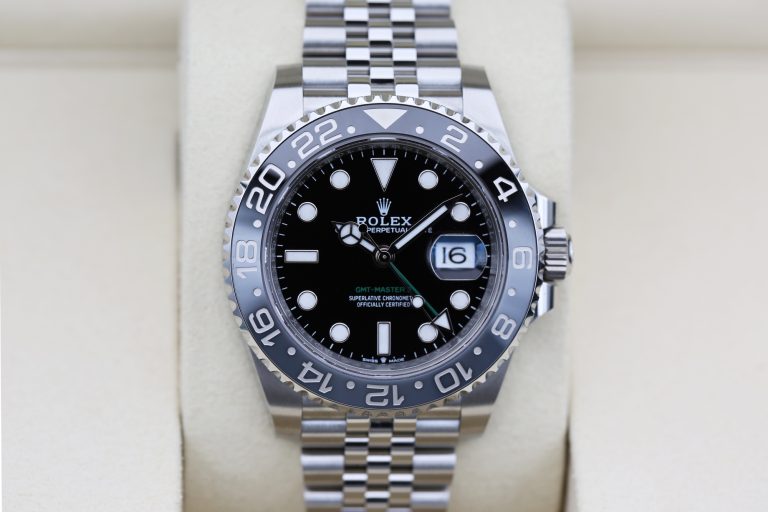
The Beginner’s Guide to Buying Your First Rolex in 2026

The beginner’s guide to your first Rolex in 2026

This Rolex watch guide is for anyone planning a first Rolex purchase in 2026. Buying a Rolex is brilliant when you do it with clear eyes.

It’s also one of the easiest ways to waste a few grand if you chase hype. I see it weekly across Mayfair dealers and online listings.

My stance is simple. Decide what you want from the watch first. Then you can choose the right reference with far less noise.

Start with intent, not a reference number

A Rolex is not a personality. It’s a tool, a piece of jewellery, a signal, or sometimes all three.

Your first decision is not “Sub or GMT”. It’s where the watch sits in your life.

In our experience, first-time buyers regret two things. They buy too loud for their day job. They buy too small for their wrist.

Neither mistake shows up in a glamorous product shot. Both show up at 10:15 on a Monday when you look down at your own arm.

Write down three use cases. Be boring about it.

  • Daily office wear
  • Weekends, travel, pubs
  • One good suit occasion

Once you have that, the rest of this Rolex buying tips list becomes practical. It stops being fantasy football.

How you will wear the Rolex matters more than the dial colour

The client nails this in their short clip about choosing your first watch. They keep it blunt. It starts with a simple question about when you’ll wear it.

You can watch that viewpoint here. Choosing your first watch and asking the right lifestyle questions.

If you wear a suit most days, a chunky sports Rolex can look like you’re trying too hard. A Datejust or Oyster Perpetual reads calmer.

If you live in knitwear, denim, trainers, then a Submariner fits without effort. The watch looks “normal” in that uniform.

Think about the office. Think about clients. Think about the sort of attention you actually want.

I’m mildly sceptical of the “stealth wealth” chat. Most people simply want a watch that doesn’t start conversations they can’t be bothered to have.

Wrist size is the quiet killer. A 36mm Rolex can look perfect on one person. It can look lost on another.

Try on at least two sizes before you spend. Don’t let Instagram decide your proportions.
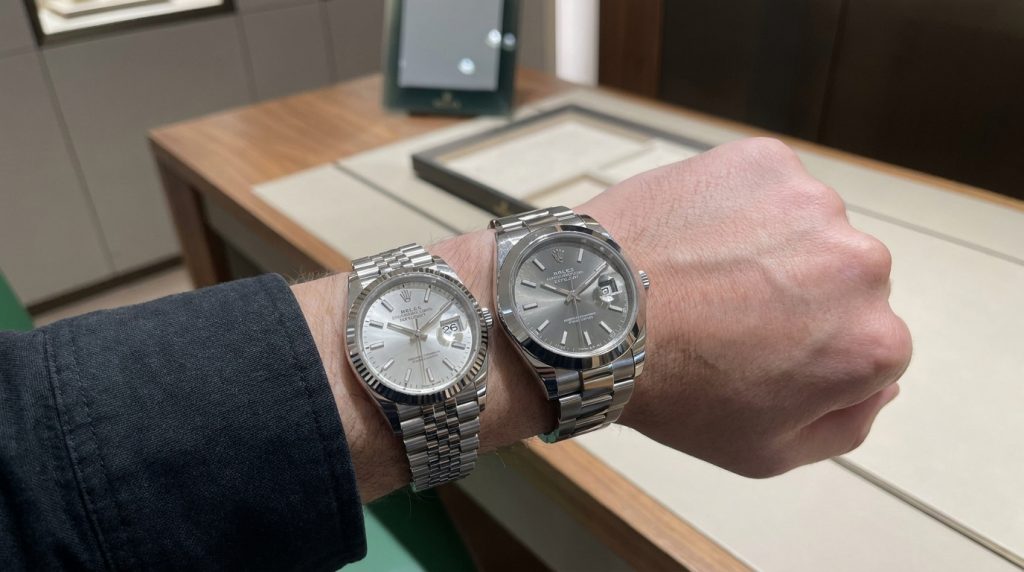
close-up of a wrist trying on a 36mm Datejust next to a 41mm Datejust under neutral shop lighting

Budgeting in 2026: the watch is not the whole bill

Set a total spend. Then split it into watch money and ownership money.

For a first Rolex purchase, I suggest holding back 5% to 10% for the dull bits.

Those dull bits aren’t optional if you care about keeping the watch nice. Insurance is one. A proper service fund is another.

If you buy pre-owned, you might also want a light polish decision. You might want a strap for a change of pace.

Don’t trap yourself with a heroic budget. A Rolex that stretches you creates anxiety. Anxiety kills the fun.

It also makes you an easy mark for anyone offering “a bargain” with missing papers.

There is a sensible entry band in the UK market. Many buyers start around £5,000 to £12,000 for a clean everyday piece.

Above that, you’re usually paying for metal, scarcity, or fashion. Sometimes all three.

Where to buy a Rolex in 2026: authorised, pre owned, or private

There are three routes. Authorised dealer. Reputable pre-owned retailer. Private sale.

Each route suits a different temperament.

An authorised dealer purchase gives you the cleanest provenance. It can also give you the most frustration in 2026.

Waiting lists exist. They vary by location and model. The process can feel like a strange social audition.

Pre-owned is where most first-timers end up. You pay market price. You get the watch now.

The trade-off is homework. You need to judge the seller as much as the watch.

Private sales can be cheaper. They can also be a minefield.

If you don’t already recognise bracelets, clasps, fonts, rehaut engraving, then private is not “brave”. It’s unnecessary risk.
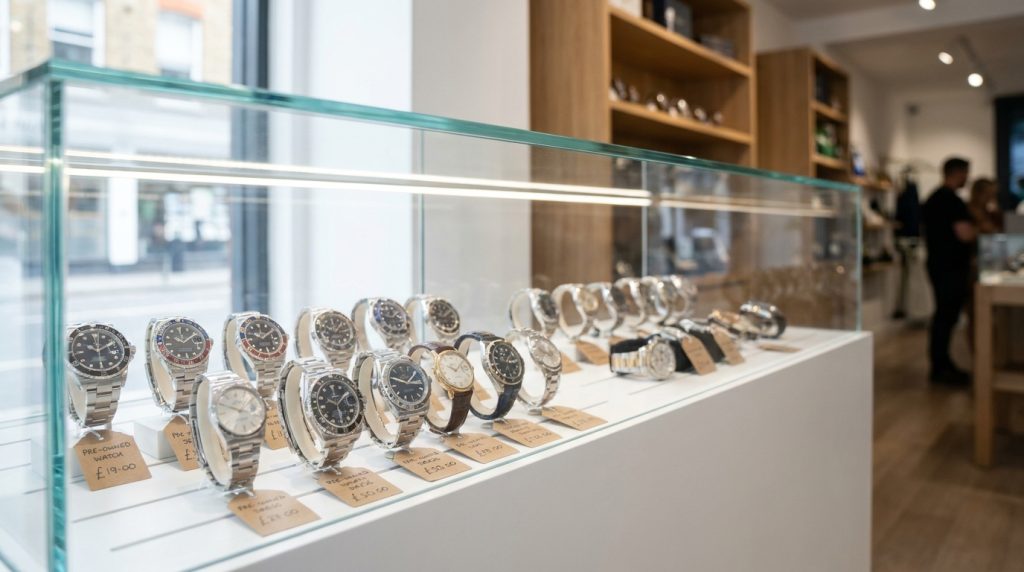
display case of pre-owned sports and dress watches with price tags in a UK boutique

Rolex models for beginners that make sense on the wrist

Most “starter” lists online are lazy. They push the loudest sports references. They ignore how people actually live.

Rolex models for beginners should be wearable, serviceable, easy to sell later, and hard to fake convincingly at a glance.

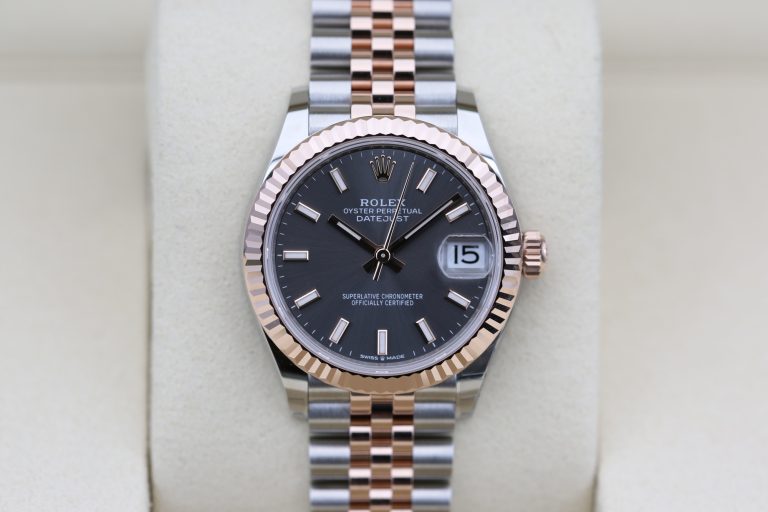
I lean towards three families for a first-timer. Datejust. Oyster Perpetual. Submariner if you truly want a sports watch.

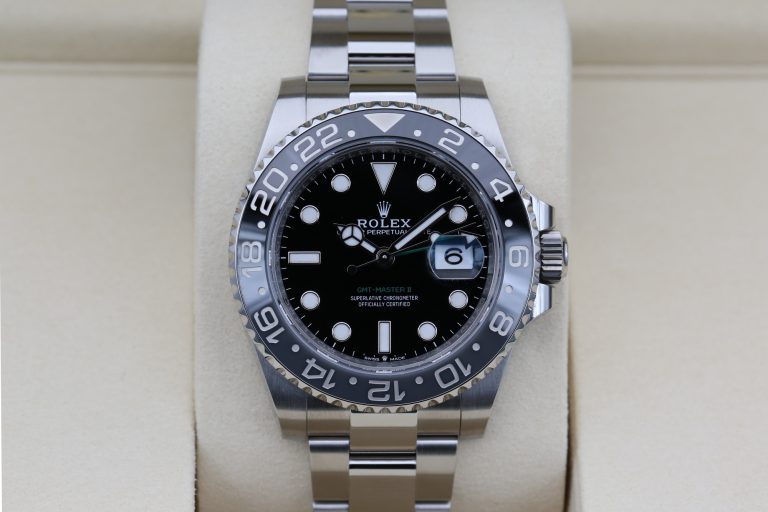
GMT-Master II is excellent if you travel. It can also pull you into hype pricing fast.

Here are real ticket prices from Kettle Club’s current stock. Use them as anchors when you’re comparing listings.

Model Why it works for a first buy Verified price
Rolex Datejust 36mm 126234 Blue Motif Classic size. Versatile. Blue dial has presence without shouting. £10,750
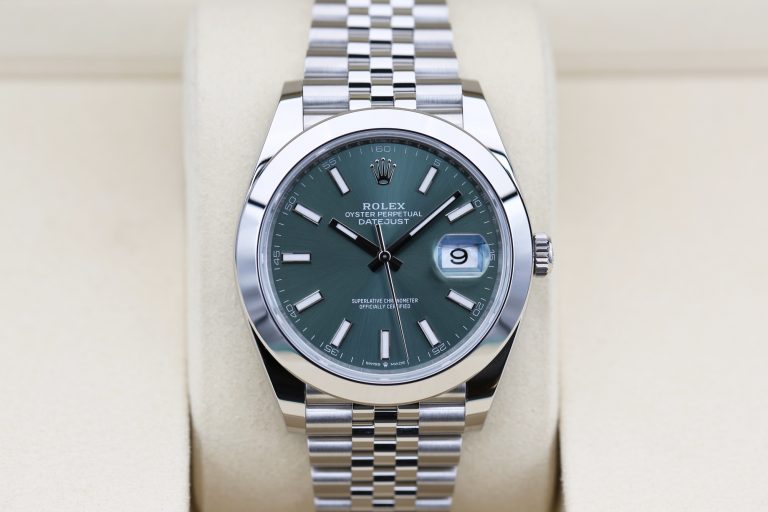
Rolex Datejust 41mm 126334 Blue Modern proportions. Easy daily wear. Strong bracelet feel. £13,350
Rolex Datejust 41mm 126334 Wimbledon Recognisable dial. Smart casual balance. Works with a suit. £13,500
Rolex Datejust 41mm 126334 White Roman More formal look. Roman numerals suit office wear. £12,995
Rolex Oyster Perpetual 34mm 114200 White Grape Understated. Great for smaller wrists. Low fuss ownership. £5,950
Rolex GMT-Master II 40mm 126710GRNR Black Travel function. Strong everyday sports option. Modern case. £16,450
Rolex GMT-Master II 40mm 126720VTNR Sprite Distinct look. Polarising. Buy only if you love it. £15,250
Rolex Submariner 41mm 126618LB Blue Statement piece. Precious metal weight. Not subtle. £34,750

Two extra notes from the cabinet that matter. A vintage GMT-Master II 16710 at £8,550 can be a brilliant entry.

A pre-owned Datejust 36mm 16234 at £5,850 is also a realistic “first nice watch” route. Condition matters more than age.

If you want the most forgiving choice, pick a Datejust on Oyster bracelet with a neutral dial. That’s the Rolex you can wear anywhere.

If you want the simplest life, pick an Oyster Perpetual. Fewer complications mean fewer worries.
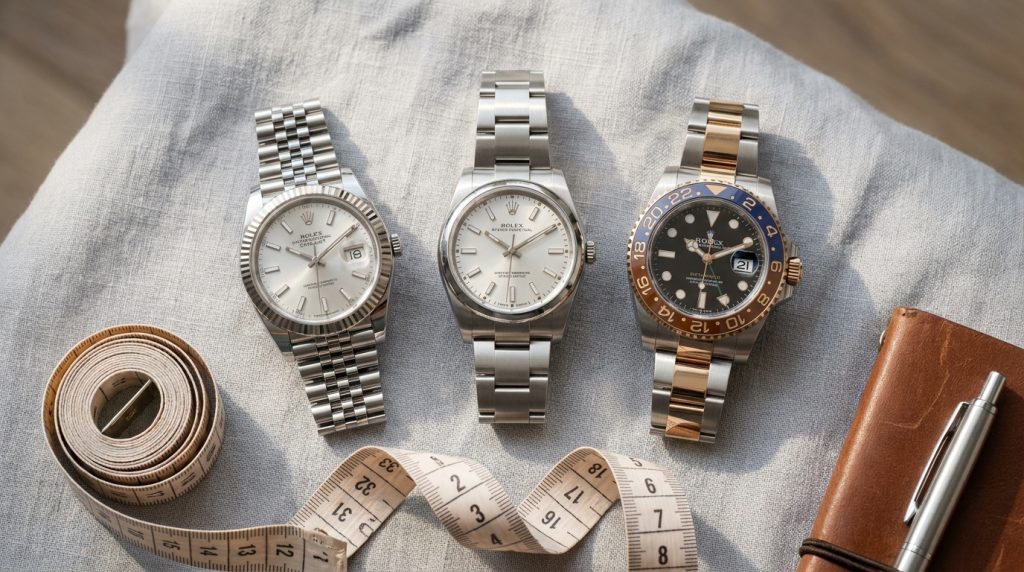
A Datejust, Oyster Perpetual, and GMT-Master II with a measuring tape for wrist sizing

Dial, bezel, bracelet: small choices that change everything

New buyers obsess over references. Seasoned buyers obsess over configuration.

A Rolex can feel completely different with one change. Bracelet choice is the biggest swing.

Oyster bracelet is sportier. Jubilee is dressier. Jubilee can also hide light marks better in daily wear.

Fluted bezels catch light. Smooth bezels keep things quiet. There’s no moral value in either choice.

Dials are where resale myths start. Buy what you can live with for years.

If you pick a dial only because it’s “hot”, you’ll tire of it. The market may tire faster.

If you’re unsure, go simpler. Black, white, silver, blue are safe in 2026.

Green is gorgeous when it matches your style. Green is also the colour most likely to feel dated later.

Paperwork, “full set”, and the April 2026 Rolex warranty card change

Boxes and papers don’t make a watch genuine. They do make your life easier.

A “full set” usually means box, outer packaging, warranty card, booklets, tags, extra links.

In April 2026, Rolex changed the style of its warranty card. The new look has a wood grain effect.

The client calls it out clearly. They also suggest checking for that wood effect on watches from mid-2026 onwards.

Here is the video if you want a quick visual. The new Rolex warranty card style explained.

For a first Rolex purchase, I prefer full set when the price difference is sensible. Full set can help if you sell later.

It also helps when you insure the watch. Some insurers like tidy documentation.

Be strict about matching details. The warranty card should match the model details. The watch should match the card.

If a seller becomes defensive, walk away. A legitimate seller stays calm. They’ve seen these questions before.
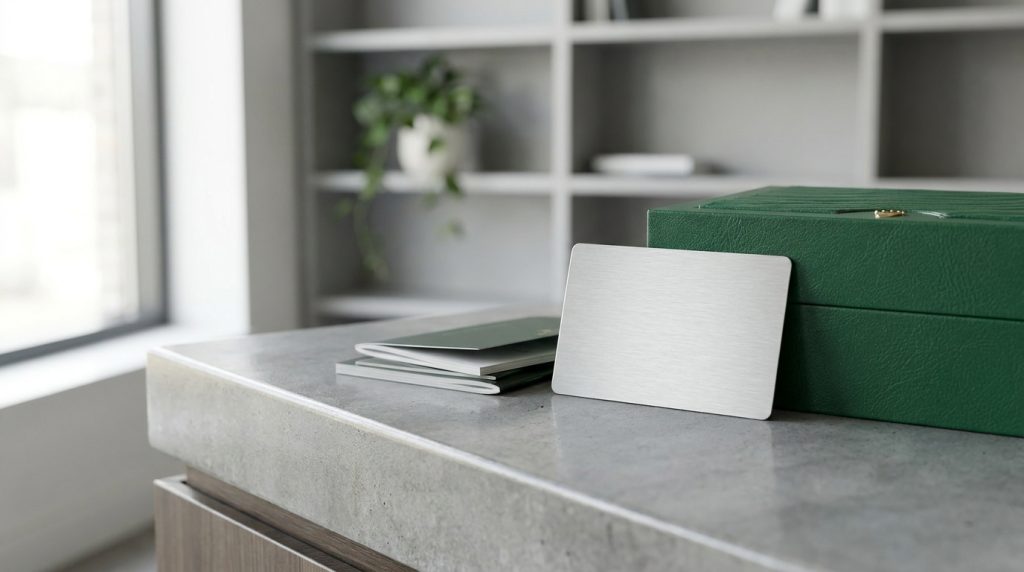
close-up of a modern warranty card style beside a Rolex box and booklets on a counter

How to authenticate a Rolex without pretending you’re a watchmaker

There’s a strange trend in 2026. Buyers think they can “spot fakes” from a single photo.

Good counterfeits exploit that confidence.

Don’t chase party tricks. Build a simple process. Use it every time.

This is a Rolex buying tips checklist that works in the real world.

  • Buy the seller first. Trading history matters.
  • Check serial and reference details against the paperwork.
  • Inspect bracelet stretch, clasp action, crown feel.
  • Confirm return terms in writing.

Ask for straight, high-resolution photos. Demand shots of the clasp code, rehaut, lugs, caseback, end links.

If you get blurry photos, treat it as information. It tells you the seller is either careless or hiding something.

When in doubt, use a watchmaker. A proper inspection costs money. It’s cheap compared with a bad Rolex.

Also be careful with “authentication cards” from random third parties. Trust the retailer’s reputation more than a printed token.

Pricing talk in 2026: ignore the noise, then choose your moment

Many buyers come in asking one thing. “Will it go up?”

My honest reply is dull. If you need it to go up, you can’t afford it.

That said, I do watch pricing patterns. The client also shares their own picks for models they think may rise during 2026.

They mention the 116520 Daytona, a Daytona West FX Baby LeMons, the 126710 BLNR Batman or Batgirl, a full rose Root Beer, and a yellow gold Day-Date 40.

If you enjoy that side of the hobby, watch the clip here. Rolex picks for potential price rises in 2026.

Use that content as context, not a shopping list. Prediction videos can make you rush.

Rushing makes you accept compromises. Those compromises become regrets.

Timing still matters. Retailers adjust pricing when stock tightens. Private sellers react slower.

If you see a watch you love at a fair price from a solid dealer, take it. Don’t wait for the perfect dip.
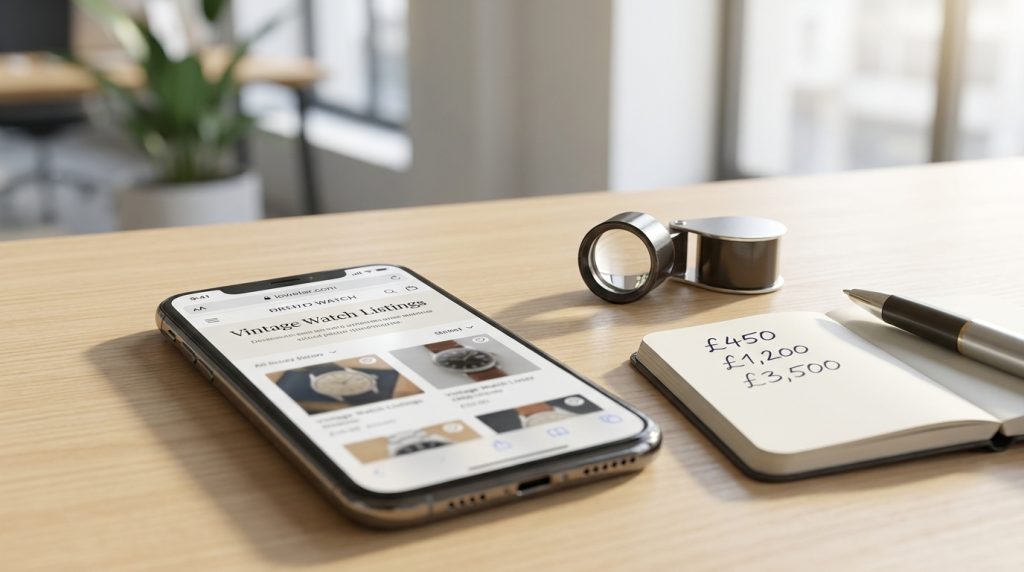
smartphone open on a watch listing page next to a loupe and a notepad with prices written in £

Negotiation, part exchange, and “deal of the day” reality

There are deals in 2026. They’re rarely dramatic.

A fair deal is usually about condition, completeness, and how quickly the seller wants to move.

Be polite. Be precise. Ask what’s included. Ask for the best price with bank transfer.

Don’t do the online thing where you offer 20% under asking then act offended.

Part exchange can be useful if you already own a watch. It can also hide the true price of your upgrade.

Ask for the numbers written out. Make sure you understand your trade value.

The client sometimes posts specific stock as a “deal of the day”. It’s useful for understanding how dealers present a watch when they’re confident in it.

Here is one example featuring a Submariner reference. A pre owned Submariner listing walkthrough.

After you buy: make your Rolex feel like yours

The best moment is not the unboxing. It’s week three.

Week three is when your Rolex starts to feel like a personal object, not a purchase.

Get the sizing right. Ask for the spare links. Keep them in the box.

If your clasp sits off centre, ask a competent retailer to adjust it. Micro adjustments matter more than most people admit.

Insure it properly. Don’t rely on vague home cover.

Keep clear photos of the watch, the serial area, the paperwork, the receipt.

Service timing depends on wear. A daily worn Rolex that sees sweat, rain, knocks will need attention sooner than a weekend watch.

Keep it simple. If the crown feels rough, if timekeeping drifts, if moisture appears, stop wearing it. Get it checked.
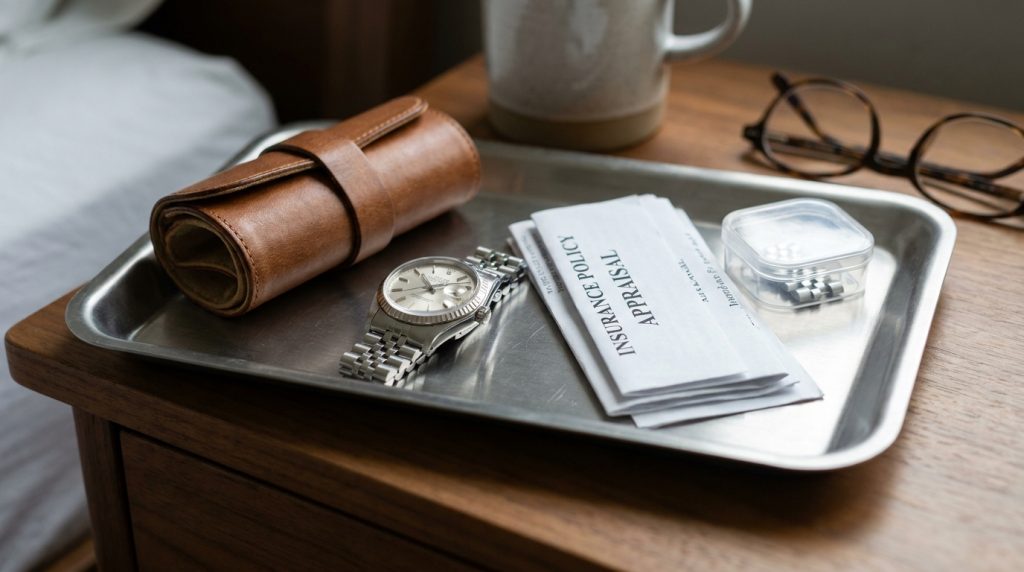
a Rolex on a bedside tray next to a watch roll, insurance documents, and spare bracelet links

Building confidence: a short Rolex buying checklist you can reuse

This section is for the buyer who wants clarity. You don’t need ten tabs open.

You need a repeatable process for buying a Rolex without drama.

Step one is fit. Try on two sizes. Take a wrist photo in a mirror.

Step two is seller quality. Choose established retailers where possible.

Step three is paperwork and condition. Decide what matters to you. Some buyers will accept no box if the watch is clean.

Others will only buy full set. Neither view is wrong.

Step four is price sanity. Compare against a few reputable listings. If a price looks too good, it usually is.

Your first Rolex purchase should feel exciting, not suspicious.

Frequently Asked Questions

Is it better to buy a Rolex from an authorised dealer in 2026?

If you can get the model you want at retail, yes. The experience is clean. The problem is availability, which pushes many buyers towards reputable pre-owned sellers.

What is the safest Rolex for a first-time buyer?

A Datejust or Oyster Perpetual is usually the least stressful. They wear well in most settings. They’re also easier to verify because configurations are well documented.

How do I avoid overpaying when buying a Rolex?

Anchor yourself with real dealer prices, not forum hype. Compare condition, full set status, and return terms. If the seller pressures you, walk away.

What does “full set” mean for a Rolex?

It usually means the box, warranty card, booklets, tags, and spare links. The exact contents vary by era and seller. Ask for a written list of what’s included.

Did Rolex change the warranty card in 2026?

Yes. Rolex changed the warranty card style in April 2026. The newer card has a wood grain effect, which can help date the card style for mid-2026 watches.

Are Rolex prices guaranteed to rise in 2026?

No. Some models may strengthen, especially scarce references. Treat price rise predictions as entertainment unless you’re comfortable owning the watch even if prices soften.

Which Rolex models for beginners hold value best?

Simple configurations tend to stay liquid. Think Datejust on Oyster or Jubilee and classic sports models in common dials. Condition and documentation can matter as much as the reference.

Watch it explained

This guide draws on the shop’s own videos — watch them here:
Spotting the Fake: How to Verify a Rolex’s Authenticity

Spotting the Fake in 2026

Buying a Rolex in 2026 is not just a taste decision. It’s a risk decision. The Rolex authentication process starts before you even touch the watch.

If you’re learning how to spot fake Rolex examples, start by assuming the listing is wrong until it proves itself right. That mindset saves money. It also saves embarrassment.

I’ve seen convincing copies change hands in Mayfair. I’ve also seen obvious fakes sold with confident stories. The watch is only half the problem.

Start with the seller, not the watch

The quickest win in any Rolex purchase is filtering sellers. Most buyers obsess over fonts. They ignore incentives.

In our experience, the cleanest deals still come from established UK dealers with a service desk. The risk rises fast with private sales. It rises again with “friends of friends” on social platforms.

Ask one blunt question. “If this Rolex is found to be counterfeit, what happens next?” The answer tells you everything.

  • Refusal to meet at a reputable jeweller
  • Pressure tactics in messages
  • Vague provenance like “gift” with no paper trail
  • Payment routes that kill your protection

Red flags don’t prove a fake. They do tell you the seller doesn’t want scrutiny. That’s where most Rolex replica identification begins.

Community advice is often sharper than glossy guides. The watch forums constantly repeat the same point. Meet in person. Bring a loupe. Better still, meet near a trusted watchmaker. See the discussion threads such as this r/Watches post on authenticity checks.

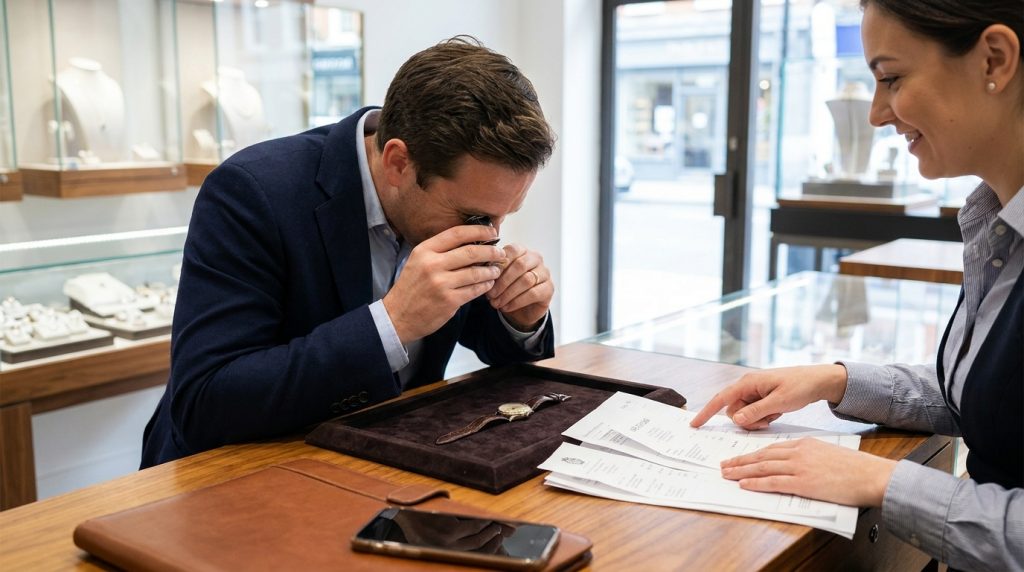
buyer meeting a seller at a Hatton Garden jeweller counter with a loupe, receipts laid out, watch on a soft mat

Rolex paperwork in 2026: cards, boxes, receipts

Paperwork is not proof. It’s still part of serious Rolex watch verification. A good set of documents makes lying harder.

In April 2026, Rolex changed the warranty card again. The new card has a wood grain style effect. The older style has a shiny green finish. You can see the change discussed in this video on the new Rolex warranty card style.

That detail matters for “full set” listings. If a seller claims a mid 2026 purchase, you should expect the wood effect card. If they show the shiny green card, you need a better explanation.

Don’t stop at the card itself. Check consistency across the set. Names, dates, dealer stamps and handwriting should look like one event. Not a collage assembled from online parts.

Several dealer guides outline the same theme. Packaging and documents are copied frequently. You still use them as part of a wider check. See Browns Family Jewellers on verifying authenticity for a sensible overview.

Rolex watch verification: the five minute exterior check

If the seller passes your basic screening, you move to the watch. This is where genuine Rolex features show up in the boring details. Not in the headline ones.

Start with the overall finishing. A real Rolex has crisp transitions between brushed and polished surfaces. The edges feel deliberate. Many fakes look glossy in photos. They look soft in person.

Weight is not a test on its own. It still tells a story. A modern steel Rolex should feel dense. Cheap replicas often feel hollow. Better replicas can match weight by using heavier alloys. That’s why you keep moving.

Look at the crown. The winding action should feel smooth. The threads should bite cleanly. Gritty winding is common on replicas. Sloppy crown guards are another tell on sports models.

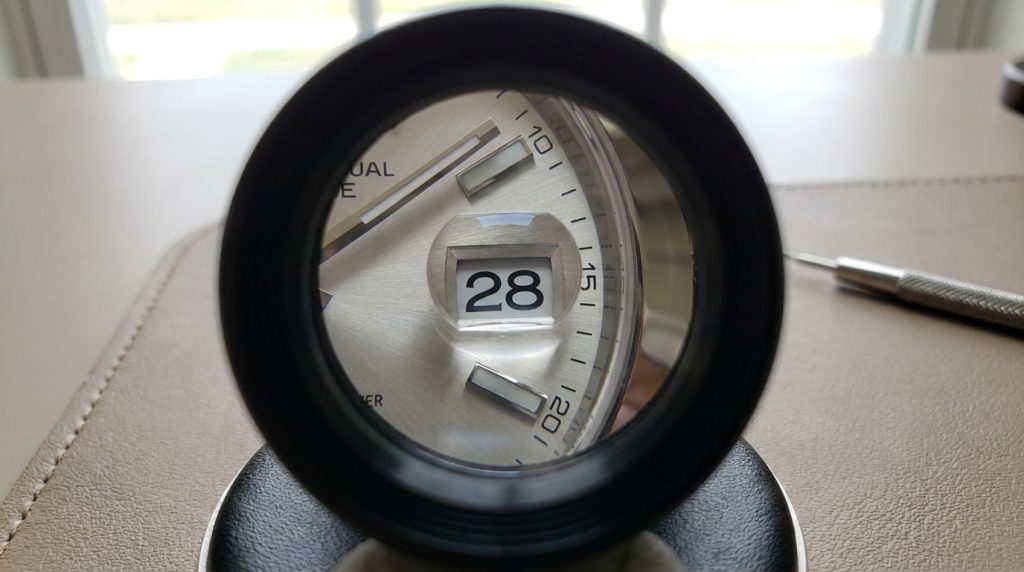
Then check the cyclops date magnification on models that have it. The typical reference point is around 2.5x. Many fakes miss the effect. Some get closer now. You then check alignment. A tilted cyclops is not a good sign.

A few guides give a solid checklist for the exterior sweep. Bob’s Watches covers common counterfeit tells in an accessible way. Use it as a starting point at Bob’s Watches on spotting a fake Rolex.

The dial is where most fakes get greedy

When people ask me how to spot fake Rolex pieces quickly, I point them to the dial. Counterfeiters chase drama. They overdo colour, shine, texture and printing thickness.

Check the minute track. Look for uneven spacing. Look for printing that bleeds at the edges. A genuine dial tends to look calm under magnification. A fake often looks busy.

Indices should sit level. Hands should be cleanly finished. Lume plots should be tidy with no spill. Small errors compound fast once you use a loupe.

Date numerals matter too. Many replicas use the wrong font. Some use the right font with the wrong weight. If the date sits too high or too low, treat it as a warning.

close up loupe view of a Rolex dial showing crisp minute track, applied indices, centred date window

Bracelet and clasp: the place copies still slip

Bracelets are expensive to copy properly. That’s why they are useful in Rolex watch verification.

Start with how it articulates. A modern bracelet should feel tight. There should be no rattly looseness when you shake it lightly. A bit of play is normal on older pieces. Excessive slop is not.

Look at screws and link edges. Tool marks are common on real watches that have been resized. Deep chewing and torn slots point to rough handling. That can be genuine. It can also be a sign of a bad replica bracelet.

Now the clasp. The coronet should look sharp. Engraving should be clean. The closing action should snap shut with confidence. Many fakes feel springy. Some feel stiff. Either can be wrong depending on the model. You’re looking for overall quality.

Ramsdens has a clear consumer friendly guide that includes bracelet and clasp checks. It’s worth scanning before a viewing. See Ramsdens on telling if a Rolex is real.

The caseback and the movement: where most fakes fail

A lot of buyers want the “one trick” test. There isn’t one. Proper Rolex replica identification usually ends at the movement.

Most modern Rolex watches have plain casebacks. If you see an exhibition caseback on a model that should be closed, treat it as a major warning. There are rare exceptions in the broader world. They are not the norm for mainstream pieces.

Opening a caseback in front of a seller is a negotiation. Do it only with permission. Do it with the right tools. Do it in a controlled setting. A scratched caseback is an expensive mistake.

A trained watchmaker will look for finishing consistency. They will look at the balance assembly. They will look for correct architecture for that reference. Many high end fakes now use cloned movements. They still tend to miss the details under scrutiny.

If you want a practical guide that explains what a professional check looks like, The Luxury Hut outlines a sensible approach. See The Luxury Hut on verifying authenticity.

Condition traps in 2026: “unpolished” gets abused

Condition is not just value. It’s evidence. A heavily refinished case can hide history. It can also hide the edges that make genuine Rolex features easier to read.

Dealers love the word “unpolished”. Some use it correctly. Others use it as a mood. The reality is simple. Polishing changes case lines. It can soften lugs. It can thin bevels. It can change how a watch wears.

The client explains the idea well in this short video on what unpolished really means. Collectors prefer original shapes for a reason. It’s easier to trust what you can see.

A polished Rolex is not automatically bad. It can be the right choice for someone who wants a clean daily watch. It does mean you should be cautious when using case geometry as an authenticity clue.

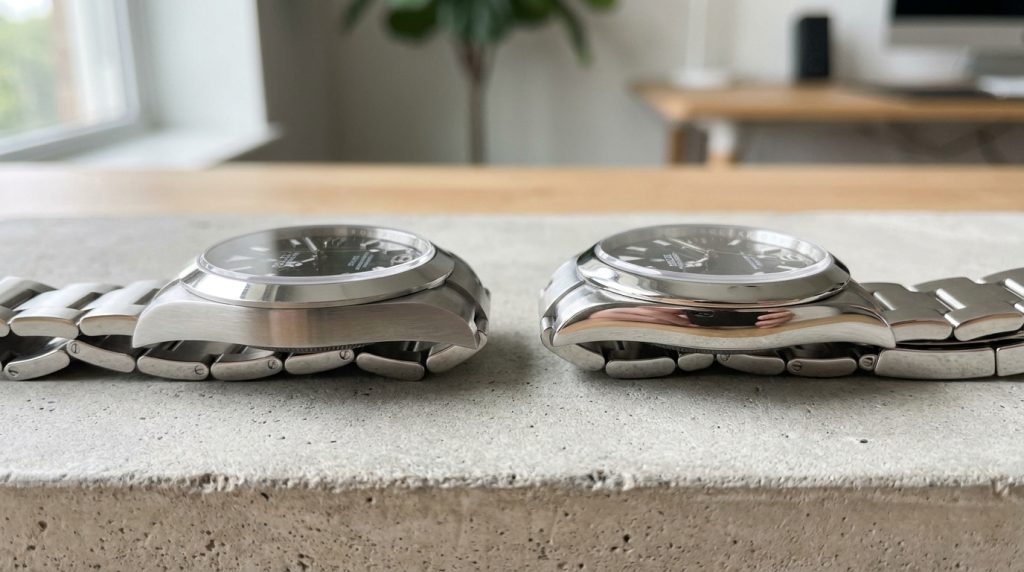
side profile comparison of sharp case lugs versus softened polished lugs on a steel Rolex sports model

Serials, rehaut engraving, reference numbers, stolen checks

Serials are useful. They’re not magic. In 2026, counterfeiters engrave serials that look believable. They also reuse real numbers. That’s why Rolex watch verification needs context.

On many modern models, you’ll see rehaut engraving around the inner ring. The lettering should be clean. Spacing should be consistent. Alignment should be good. Poorly aligned text is still common on cheaper fakes.

Check between the lugs on older pieces where relevant. You’re looking for sharp stamping. You’re also looking for signs of metal removal. Over polishing can blur numbers. That’s not proof of a fake. It does reduce certainty.

Then consider a stolen property check. I always recommend one for private purchases. Even a genuine Rolex becomes a problem if it’s reported stolen. You don’t want that phone call later.

A practical Rolex authentication process you can actually follow

Most buyers bounce between random tips. That’s how they miss the obvious. A repeatable Rolex authentication process keeps you honest.

Here is the flow we use when a client brings in a watch from a private listing. It’s not romantic. It works.

  • Seller screening, identity, ownership story, meeting location
  • Paperwork review, card style consistency for 2026, serial checks
  • Exterior inspection under loupe, dial, hands, date, rehaut
  • Professional confirmation, timing, pressure test if appropriate, movement inspection

Notice what’s missing. There’s no “listen to the tick” nonsense. A Rolex can sound different depending on environment. A fake can be quiet too.

If you want extra checklists, compare a few sources. Bob’s Watches, Ramsdens and Browns all cover overlapping steps with slightly different emphasis. Read them once. Then stick to your own checklist on viewing day. Use Bob’s Watches plus Ramsdens plus Browns.

Real stock examples: what “priced correctly” looks like in 2026

Price doesn’t authenticate a Rolex. Price does predict behaviour. Underpriced listings get rushed buyers. Rushed buyers skip verification.

Below are examples of current retail pricing from a UK dealer’s live inventory. Use them as reality checks. If someone is offering the same reference far below this level, slow down. Ask why.

Model Price (UK retail)
Rolex Datejust 36 Blue Motif (126234) £10,750
Rolex Sky-Dweller 42 Blue (336934) £17,995
Rolex Datejust 41 Wimbledon (126334) £13,500
Rolex Submariner 41 Blue (126618LB) £34,750
Rolex GMT-Master II 40 Black (126710GRNR) £16,450
Rolex GMT-Master II 40 Sprite (126720VTNR) £15,250

These prices are not a promise of value retention. They are a snapshot of what buyers are paying through a proper shopfront in 2026.

If you see a “new” Rolex offered privately at thousands less, treat it as a trigger for deeper Rolex watch verification. The simplest explanation is often the correct one.

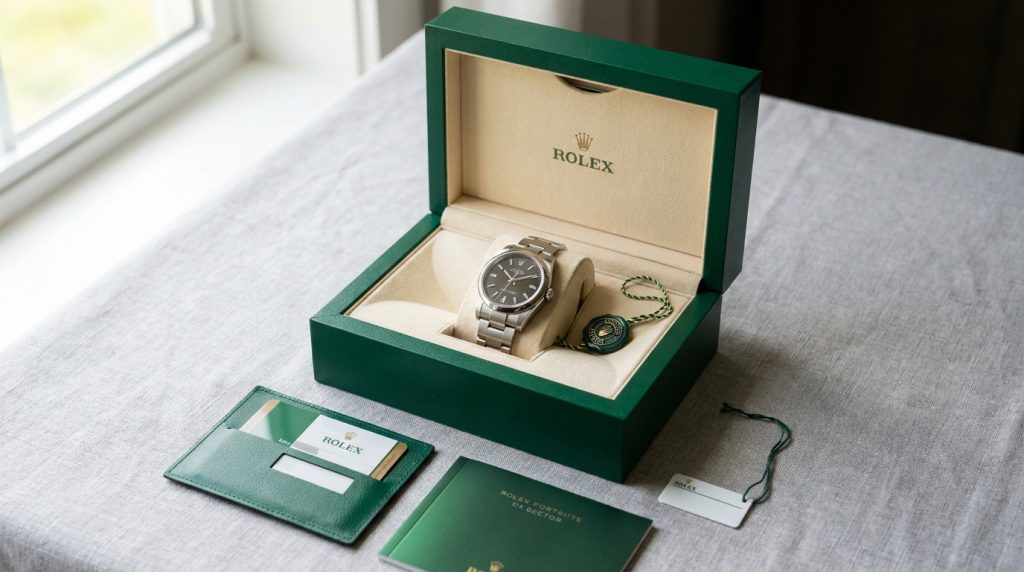
overhead flat lay of a full set Rolex package with box, warranty card, booklets, tags, watch on cushion

Where fakes have improved in 2026

Counterfeiters have got better at the easy visuals. Ceramic bezels can look convincing in photos. Dial colours are closer than they were. Laser etched details can pass a quick glance.

This is why “TikTok proof” checks are risky. A short clip can make any Rolex look right. Good lighting hides flaws. Bad lighting hides flaws too.

In our experience, the most reliable differentiators are still tactile. Crown feel. Bracelet build. Clasp snap. Case edge sharpness. Those are hard to fake consistently across a full watch.

That is also where refurbished builds can confuse buyers. A genuine head with a non original bracelet is still a genuine head. It’s not a correct set. Your price should reflect that.

When to pay for an expert check

If you’re spending Rolex money, you can afford a professional opinion. The question is when you need it.

Pay for authentication when any of these apply. You’re meeting a private seller. The watch is missing paperwork. The price is unusually attractive. The seller refuses a jeweller meet up.

A good watchmaker will do more than glance at engravings. They can check timing performance. They can check amplitude. They can look for moisture signs. They can inspect the movement safely.

If you need a structured guide to the professional route, read a dealer perspective like The Luxury Hut’s authentication overview. It matches what we see at the counter. It also matches what buyers tend to miss.

How to spot fake Rolex listings online without leaving your sofa

Sometimes you only have photos. You can still do a lot before you travel.

Ask for specific shots. Ask for a straight dial photo with the date set to a double digit number. Ask for clasp engravings. Ask for rehaut alignment. Ask for the warranty card style if the watch is claimed as a 2026 sale.

Watch the seller’s reaction. Genuine owners usually try to help. Scammers usually complain about the request.

Save the listing images. Reverse image search them. Many fake Rolex listings reuse dealer photos. That’s not a watch problem. That’s a fraud problem.

Frequently Asked Questions

Can a fake Rolex have a real serial number?

Yes. A fake Rolex can copy a real serial from photos or paperwork. That’s why serial checks alone are weak. Use serials as one part of a wider Rolex authentication process.

What is the quickest way to do Rolex watch verification in person?

Start with the dial under a loupe. Then check crown action and clasp feel. If anything feels off, pause the deal. Arrange a watchmaker inspection before paying.

Does the 2026 Rolex warranty card change help spot fakes?

It helps with consistency checks. In April 2026, Rolex introduced a wood grain effect card. If a seller claims a mid 2026 purchase, the older shiny green card should raise questions.

Is “unpolished” proof that a Rolex is genuine?

No. “Unpolished” describes condition, not origin. It can make genuine Rolex features easier to evaluate because edges stay sharper. It doesn’t replace proper Rolex replica identification steps.

Do replicas get the cyclops magnification wrong?

Often, yes. Many fakes miss the approximate 2.5x look. Some higher end fakes get closer in 2026. You still need to check alignment, date font, printing quality and overall finishing.

Should I buy a Rolex without papers?

You can, though risk increases. You need stronger supporting evidence, a trusted seller and professional verification. Price should reflect the missing set.

What should I do if I suspect I bought a fake Rolex?

Stop wearing it and stop trying to resell it. Contact the seller in writing and request a refund. Then get a written opinion from a qualified watchmaker or established dealer to support your case.

Watch it explained

This guide draws on the shop’s own videos — watch them here:
How to Spot a Fake Rolex: A Complete Guide

Counterfeit Rolex watches are increasingly sophisticated. In this guide we walk through the tell-tale signs: the cyclops magnification, the smooth second hand, the engraved rehaut, serial and case-back details, and weight. Learning to authenticate protects your investment.

Are Pre-Owned Rolex Watches a Good Investment?

Pre-owned Rolex watches have historically held and grown their value. We look at which models appreciate, the role of box and papers, market trends for the Submariner and Daytona, and what to look for when buying second-hand.

Rolex’s Pioneers: The Story of the Brand’s Founding Fathers

Rolex was never just a watch. It was a sales pitch with engineering behind it.

Rolex history starts with two men who understood timing in every sense. They knew when to move markets. They also knew when to shut up and let the product do the talking.

The Rolex brand story gets retold like folklore. The reality is sharper. It’s about distribution, quality control, paperwork, and the kind of discipline most brands can’t keep for a decade.

Rolex begins in London, not in a mountain chalet

Rolex is often treated as purely Swiss. The founding setup was more cosmopolitan. London mattered because it was a trading hub with customers who cared about punctuality.

That matters to the Rolex founders narrative. The first job wasn’t romance. The first job was getting dependable wristwatches into the hands of people with money.

In our experience, readers underestimate how commercial the early operation was. Rolex didn’t wait for the world to come to it. It went after jewellers, importers, and anyone who could shift stock.

Rolex lays out its own early timeline clearly on its site. It’s worth reading as a brand document rather than a museum label. Use the official early history page as a starting point.

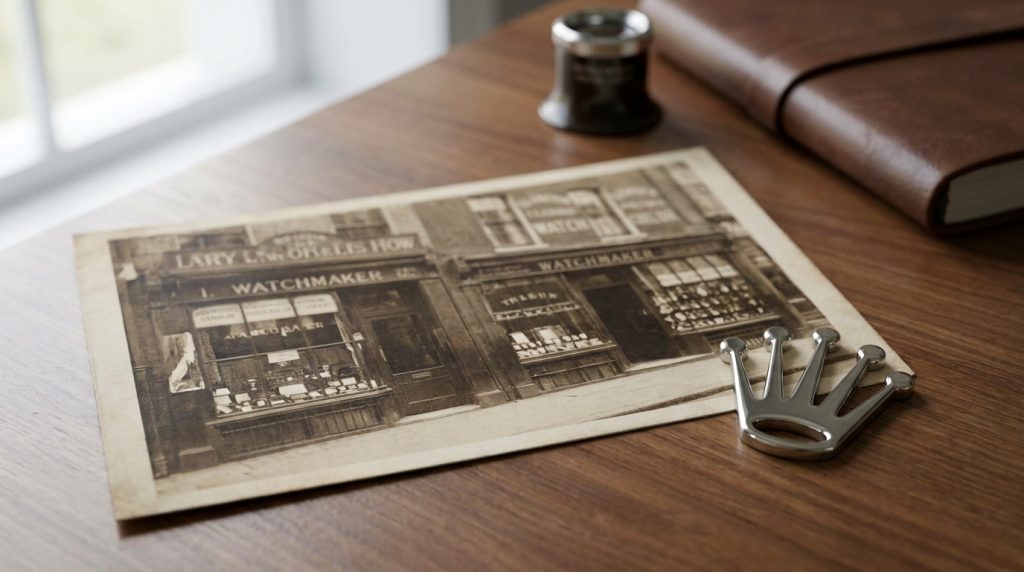
archival style photograph of early London watch trade storefronts with period signage, paired with a modern Rolex crown motif

Rolex founders: Hans Wilsdorf’s nerve, Alfred Davis’s grounding

Rolex was shaped by two complementary temperaments. Hans Wilsdorf had ambition and a marketer’s instinct. Alfred Davis brought structure and a business partner’s restraint.

This is the cleanest way to frame the Rolex brand story. One man pushed the vision. One man made sure bills were paid and orders were fulfilled.

If you want a neutral overview for quick context, the Rolex page on Wikipedia summarises the broad arc. Don’t treat it as gospel. Do treat it as a map.

For a more founder-led angle, the Hans Wilsdorf Foundation’s publishing arm has a useful profile. Start with The man behind the crown. It reads like approved history because it is.

The early Rolex supply chain was the real breakthrough

Rolex didn’t begin with a magical manufacture. It began with sourcing. It selected components and movements that could be regulated and trusted.

That sourcing mindset is a thread that runs through Rolex history. The brand got obsessive about consistency. The obsession wasn’t abstract. It was commercial survival.

Retail editors like me care about this because it explains today’s behaviour. Rolex still thinks in systems. It thinks in tolerances, service intervals, and what a customer will notice after two years.

The best independent summary I’ve seen recently is this long read from a UK retailer perspective. Try Behind the brand: the history of Rolex for colour and retail context.

Rolex and accuracy: the brand’s first real flex

Rolex built prestige through timekeeping performance. That sounds obvious. It’s still the most defensible luxury claim a watch brand can make.

The early playbook was simple. Prove accuracy. Get it recognised by institutions. Then repeat it until the public stops questioning you.

This is where Rolex watch pioneers become more than a slogan. The pioneers weren’t only founders. They were also technicians who regulated movements and chased repeatable results.

In 2026 terms, this is like winning the spec sheet war without shouting about it. Most buyers can’t define amplitude. They can spot a watch that keeps good time month after month.

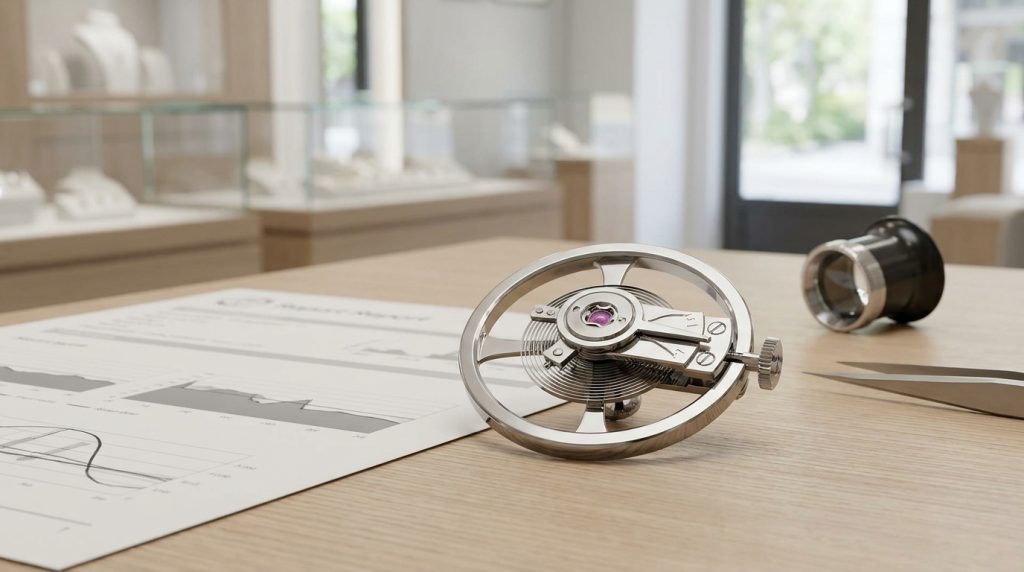
macro shot concept of a regulated balance wheel and escapement beside a printed timing report, styled as a modern retail counter scene

Waterproofing became theatre, then it became expectation

Rolex turned a technical feature into a public test. That move changed the brand’s tone. It stopped being a nice wristwatch supplier. It became a problem-solver for real life.

Water resistance is also where the Rolex brand story gets a little smug. The brand earned that swagger. Competitors copied the language, then copied the look.

From a shop-floor angle, this is the birth of the modern Rolex customer. They want a watch they can wear in the rain. They also want to feel clever for choosing the “safe” option.

That psychology is still alive in 2026. A buyer can be nervous about scratches. They still relax when they hear “Oyster case” from a salesperson they trust.

Perpetual winding and the long game of daily wear

Rolex pushed the idea of the everyday automatic. The message wasn’t glamour. The message was convenience.

That matters for Rolex legacy. A luxury product that’s easy to live with gets worn more. A product that gets worn becomes emotionally sticky.

We see this daily with clients who swear they’ll rotate watches. Most of them default back to one Rolex because it just works. It sits right. It winds itself. It doesn’t complain.

The quiet genius is that the engineering supports the marketing line. That’s why Rolex history reads like a sequence of features that turned into habits.

Retail discipline is part of the Rolex machine

Rolex is a product story. It’s also a paperwork story. Serial formats, presentation sets, service documentation, and consistent packaging all shape trust.

In April 2026, Rolex changed its warranty card design. The new card has a wood-grain style effect. The older shiny green style is now easier to spot at a glance.

If you buy at the moment, that detail isn’t trivia. It helps you date a set quickly. It also helps you avoid a mismatch between watch, card, and claimed provenance.

The client explains the change clearly in this short breakdown of the new Rolex warranty card. Their advice is practical. Check for the wood-grain effect on pieces sold from mid-2026 onwards.

close-up of a modern style warranty card with a subtle wood-grain effect next to a green presentation box, staged on a jeweller’s desk

What the founding mindset looks like on a 2026 retail counter

Rolex today is bigger than any one founder. The founder mindset is still visible. It shows up as consistency. It shows up as an insistence on full sets. It shows up as incremental tweaks that drive collectors mad.

In our experience, the fastest way to understand Rolex legacy is to handle a few references side by side. You feel the case geometry. You see how dials catch light under shop LEDs. You also notice which models buyers ask for first.

Here is a snapshot of pieces our client actually has in stock at the moment. These are real retail figures. They aren’t pub chat pricing.

Model Client price (2026) Why it sells
Rolex 126334 Datejust 41 Blue £13,350 Clean daily wearer with modern proportions
Rolex 126334 Datejust 41 Wimbledon £13,500 Dial identity that reads from across a room
Rolex 336934 Sky-Dweller 42 Blue £17,995 Complication appeal without looking fussy
Rolex 126710GRNR GMT-Master II Black £16,450 Travel utility with collector heat

Rolex is also about choice within a tight framework. The client runs through current favourites in this quick tour of new stock Rolex models. It’s the closest thing to a real counter chat you can get online.

Rolex watch pioneers are not only inside the company

It’s tempting to keep every pioneer inside the brand walls. That is tidy marketing. It also misses what collectors actually do in 2026.

Collectors compare Rolex to independents with extreme finishing. They compare it to niche makers with tiny output. They do that to recalibrate value, then they still come back to Rolex for everyday certainty.

A good example is the current buzz around an independent like Recep Recepi. The production is limited. The finishing is serious. The price discovery happens fast once auctions get involved.

If that world is new to you, watch this introduction to Recep Recepi as a hidden gem in watchmaking. It frames the collector mindset well. It also highlights why Rolex scarcity narratives land so easily.

split concept image showing an independent watchmaker’s hand-finishing bench on one side and a polished Rolex case on the other

Documentaries, myth-making, and why the crown stays on

Rolex controls its image with unusual tightness. That can feel sterile. It also keeps the brand from being diluted by trends.

The brand also knows when to invite the public in. It does that on its own terms. The result is closer to a family archive than a tell-all.

For an example of that controlled access, see the brand’s post about its documentary series. It’s framed as unprecedented access. It’s still filtered through the Rolex lens. Here is the Rolex documentary series announcement.

This matters because Rolex history is now a product. Every myth has a purpose. The purpose is reassurance for the next buyer.

The modern buyer’s reality check in 2026

Rolex is aspirational. It’s also a minefield for the careless. Condition, set completeness, and correctness of cards matter more than most first-time buyers expect.

We see three recurring mistakes. People ignore the details. People chase the lowest price. People trust a story that’s not supported by the physical set.

When a deal is genuine, it can be worth moving quickly. The client’s Rolex Submariner 126610LV deal clip shows how a real retail listing is presented. You get reference clarity and the selling format. You also get a sense of what “full set” actually means in practice.

If you want a simple checklist, keep it short:

  • Match card style to the claimed sale period, especially in 2026
  • Check the dial and bezel condition under harsh light
  • Ask for service history evidence where it exists
  • Prioritise sellers who can explain provenance without theatrics

Why the founding fathers still matter for Rolex in 2026

The reason we still talk about founders isn’t sentiment. It’s behaviour. Rolex founders set a tone of control and repeatability that the company never dropped.

That’s why Rolex brand story keeps working even when the market gets noisy. The product is consistent. The aftersales structure is consistent. The brand voice is consistent.

Rolex legacy is also a retail reality. It keeps pre-owned values supported. It keeps servicing predictable. It keeps first-time buyers coming back for a second piece instead of switching brands.

That is the real pioneer move. Build a system that outlives you. Then let the crown do the talking.

Frequently Asked Questions

Who were the Rolex founders?

Rolex founders are Hans Wilsdorf and Alfred Davis. Wilsdorf drove the vision and marketing. Davis anchored the early business structure and operations.

Where did Rolex start?

Rolex started with a London-based business that sourced Swiss watchmaking capability. The brand later became strongly associated with Switzerland. The early commercial logic was international from the start.

What is the shortest way to explain Rolex history?

Rolex history is a sequence of practical improvements that became public expectations. Accuracy came first. Water resistance and everyday durability followed. The brand then turned that reliability into status.

Why does Rolex change small things like warranty cards?

Rolex uses small updates to standardise presentation and support traceability. In April 2026, the warranty card design changed to a wood-grain effect style. That detail helps buyers identify the era of a set quickly.

Is Rolex mainly about marketing?

Rolex marketing is powerful. It works because the product baseline is genuinely consistent. In our experience, buyers stay loyal when servicing and daily wear match the promise.

What should I check first when buying a Rolex in 2026?

Start with provenance and set completeness. Check the warranty card style and make sure it matches the claimed purchase period. Then inspect condition under bright light and verify the seller’s credibility.

How does Rolex compare to modern independent watch pioneers?

Independent makers can offer extreme finishing and very limited production. Rolex offers scale, consistency, and predictable support. Many collectors enjoy both, then choose Rolex as the daily anchor.

Watch it explained

This guide draws on the shop’s own videos — watch them here:
Patek Philippe or Rolex: Decoding the True Luxury

Patek Philippe or Rolex in 2026: what you’re really buying

Patek Phillippe still stops people mid sentence in a Patek Philippe vs Rolex debate. It’s one of the few luxury watch brands that can make a Rolex owner sound slightly defensive.

In Britain this question is rarely about timekeeping. It’s about identity. It’s about what your watch says when you’re not speaking.

I see it weekly in Mayfair. The buyer walks in thinking they want the “best”. They walk out realizing there are two different kinds of “true luxury”.

Status, stature, then the awkward bit about taste

Rolex is the public shorthand for success in 2026. Most people can spot a Submariner at a glance. They might even ask if it’s “real”.

Patek Phillippe works differently. The recognition is narrower. The reward is deeper. You wear it for yourself first. You wear it for the room only if the room is the right one.

This is where buyers trip up. They tell themselves they want craftsmanship. They also want to be noticed. Those wants don’t always live happily together.

If your lifestyle is fast and slightly chaotic then Rolex usually fits better. If you like the private satisfaction of a beautifully finished movement then Patek Phillippe starts to make sense.

Patek Phillippe and the quiet power of scarcity

Scarcity is not a myth in 2026. It’s a strategy. Market estimates often put Rolex output at around 1,000,000 watches a year. Patek Philippe is often cited closer to 60,000. That gap changes the whole tone of ownership. It also changes behaviour at retail. Source context: Kettle Club’s February 2026 comparison.

With Patek Phillippe the boutique experience can feel like an interview. Some references are spoken for before they land. You’re not just buying a watch. You’re buying entry into a rhythm of allocations.

There is also the design language. A Calatrava can read as plain to the untrained eye. To a collector it reads as restraint. That’s the point. Many Patek Philippe watches don’t announce themselves. They invite inspection.

Don’t confuse quiet with fragile. Plenty of Patek pieces are daily wearable. The real issue is psychological. Owners often baby them because the market tells them to.

Rolex as the default luxury dial

Rolex is brilliant at being obvious. That’s not an insult. It’s one of the reasons the brand dominates the modern conversation. A Datejust on Jubilee under London lighting is instantly readable.

Patek Phillippe doesn’t have that mass visibility. Rolex has decades of cultural placement. Sport sponsorship helps. So does the simple fact that friends and colleagues talk about Rolex first.

Reddit gets this right for once. A long running thread in r/Watches points out how “Rolex” becomes the only watch word many people know. It’s a real social effect. It also explains why buyers keep circling back to Rolex even after looking at higher horology. See: the discussion thread.

Here’s my mild skepticism. Rolex scarcity is real in certain models. It’s also helped by how the brand manages demand. In 2026 the “waitlist” is rarely a list. It’s a relationship system.

Patek Phillippe pricing in 2026: list, premium, then reality

Let’s talk money. Patek Phillippe is not just “more expensive”. The price structure is stranger. It’s split between list prices, pre owned asking prices, and the premium people pay to skip the queue.

As a rough working guide in the UK market during 2026, sought after Rolex sports models can trade at 10% to 90% over list. Hot Patek sports can sit at 30% to 160% over list. Dress Patek can behave very differently. Source context: Kettle Club’s “pounds and percentages” section.

This is also where people misread value. A Calatrava can be a better object than an Aquanaut. It can also be a weaker trade when you exit. That’s demand. It’s not morality.

If you want a broad overview that leans more mainstream, The Luxury Hut guide is a decent starting point. Bob’s Watches also frames the positioning clearly for buyers who are still comparing categories.

Brand Model Typical UK list price feel in 2026 Typical UK pre owned asking range in 2026 What you tend to see in shops
Rolex Submariner Date £9,000 to £10,500 £9,500 to £12,000 Near list if you can wait. Clean full set sells fast.
Rolex Cosmograph Daytona in steel £13,500 to £16,000 £20,000 to £30,000 Still a social token. Retail access is the hard part.
Rolex Datejust 36 on Jubilee £7,000 to £9,000 £6,500 to £9,500 The sensible Rolex. Availability is better than the internet suggests.
Patek Philippe Calatrava time only £24,000 to £35,000 £18,000 to £32,000 Often underbought. Best value is usually pre owned.
Patek Philippe Aquanaut in steel £24,000 to £35,000 £40,000 to £70,000 Demand stays intense. Scarcity does most of the work.
Patek Philippe Nautilus in steel £35,000 to £50,000 £80,000 to £160,000 The lightning rod. People buy the story as much as the watch.

Patek Philippe vs Rolex on wrist: engineering versus finishing

Rolex movements are built for predictability. The brand sells consistency. In 2026 the published tolerance is commonly quoted as minus two to and two seconds per day after casing. For a large scale maker that’s a serious promise. Source context: Kettle Club’s movement section.

Patek Phillippe sells finishing as part of the product. Anglage matters. Striping matters. You pay for time spent on details you might never photograph. Patek’s own seal expectations are often quoted around minus three to and two seconds per day for larger movements in 2026.

Bracelets are where Rolex wins most daily battles. A modern Oyster bracelet feels engineered to take knocks. A Jubilee drapes well. It looks expensive even when you’re wearing a plain knit on the Central line.

Patek Philippe steel often feels slimmer. The finishing can be more nuanced. That can read as refined. It can also read as delicate next to a chunky sports Rolex. If you’re hard on your watches then that matters more than forum talk admits.

Servicing reality in 2026: the cost of owning the fantasy

This is the bit buyers forget. It’s not just the purchase price. It’s servicing. It’s parts. It’s turnaround times. It’s how patient you are when the watch is away.

In the UK during 2026, a straightforward Rolex service commonly lands around £600 to £1,200 depending on model and parts. Chronographs can push higher. The network is large. The process is familiar.

Patek Phillippe service runs to a different rhythm. Some work goes back to Geneva. That means time. In 2026 a basic Patek service can start around £1,000 to £2,500. Complications can climb into £5,000 plus territory. Source context: Kettle Club’s servicing section.

If you’re comparing “best luxury watches” for daily ownership, this part should steer you. Romance is lovely. Downtime is not.

Buying in Britain: the authorised route, the grey route, the sensible route

Retail is theatre in 2026. Bond Street windows look full. Ask for a steel Daytona and the temperature changes. The language becomes soft. The answer becomes about “interest”.

Patek Phillippe at retail can feel even tighter. The sport references are the hardest. You can do everything right then still wait. That’s why the grey market keeps taking business.

If you’re going pre owned, treat it like a serious purchase. This is where buyers get lazy. This is where fakes live. This is where “lightly worn” can hide a hard life.

  • Full set paperwork and matching numbers
  • Bracelet stretch and clasp wear under strong light
  • Service history that makes sense for the watch’s condition
  • Seller reputation in Hatton Garden or via a known UK dealer

For quick reading on how different audiences frame the choice, Bob’s Watches is useful. It’s American in tone. The fundamentals still apply here.

Decoding true luxury: my bias after too many appointments

True luxury is not a logo. It’s how a watch fits your actual week. It’s whether you wear it on a wet Tuesday in April 2026. It’s whether you still like it when nobody comments.

Rolex is the easier recommendation for one watch ownership. It’s tough. It’s legible. It travels well. It has liquidity when you decide to sell. That matters even if you hate admitting it.

Patek Phillippe is my pick for the buyer who already knows themselves. You accept that some people will not notice. You accept that service will cost. You accept that the watch is allowed to be slightly impractical.

If you want to browse the different takes that shaped this piece, start here. Kettle Club is sharp on the UK mood. The Luxury Hut is a broad primer. Reddit is messy yet honest about social signalling. There is also the short form noise on TikTok if you want to see how the conversation gets simplified for views.

Watch it explained

This guide draws on the shop’s own videos — watch them here:
Audemars Piguet vs. Rolex: A Luxury Watch Showdown

A luxury watch showdown in 2026

Audemars Piguet is the brand that makes Rolex buyers pause. In 2026 the Audemars Piguet vs Rolex argument has moved beyond flexing.

I hear the same question in Mayfair showrooms. Do you buy the watch the world recognizes? Do you buy the watch other watch people recognize?

Rolex is the safest default in luxury retail. Audemars Piguet is the sharper choice when you care about finishing and design language.

This piece is written from the point of view of a UK retail editor. It’s practical. It’s also slightly skeptical about hype.

Audemars Piguet history and why it still matters

Audemars Piguet history reads like classic Vallée de Joux watchmaking. It starts with traditional Swiss craft. It stays there.

Rolex has a different origin story. Chrono24 frames Rolex as a London start that later settled in Geneva. It also underlines Rolex’s early obsession with chronometric proof and engineering firsts. Read the Chrono24 comparison.

Audemars Piguet takes the opposite approach. It leans into complicated movements and hand finishing. The point is not to be everywhere. The point is to feel like a small manufacture that happens to be famous.

This matters in 2026 because buyers have become pickier. They want a narrative that matches the price tag. Audemars Piguet still sells that narrative better than most.

Audemars Piguet models that actually pull demand

Let’s talk Audemars Piguet models without pretending there are dozens of obvious entry points. The Royal Oak remains the centre of gravity. Exquisite Timepieces calls out the Royal Oak as the piece most buyers know. It also flags how much variety sits inside that family. See their brand breakdown.

Audemars Piguet can look limiting if you dislike integrated bracelets. That is not a minor detail. The whole appeal is the case and bracelet acting as one line of design.

If you want something outside the Royal Oak orbit then Code 11.59 matters. It’s the modern round collection with the brand’s finishing instincts intact. WatchCharts also shows how Code 11.59 behaves on the secondary market. The February 2026 Watch Market Update lists Code 11.59 as down 0.8% for January 2026. WatchCharts monthly dispatch.

There is also Royal Oak Offshore and Royal Oak Concept for louder buyers. Those watches are a separate personality. They suit clients who like weight on the wrist and visible engineering.

Rolex range in 2026 feels familiar for a reason

Rolex succeeds because the catalogue is clean. Submariner. GMT Master II. Daytona. Datejust. You can walk into a conversation anywhere in London and be understood.

Rolex design moves in small steps. Exquisite Timepieces describes that incremental approach as the core of the brand’s look. That restraint keeps older pieces from feeling dated. Their design section is worth a skim.

Rolex also has the advantage of pure utility. You can wear a Submariner through a wet weekend in Cornwall. You can wear a Datejust to a client lunch in the City. That versatility is not glamorous. It’s why the watches keep selling.

Still, Rolex can feel too safe. If you already own one then the second Rolex often feels like a repeat purchase. That’s where Audemars Piguet starts to make more sense.

Finishing and movements where Audemars Piguet earns the premium

Audemars Piguet wins on detail when you view the watch as jewellery with a movement inside. The dial texture. The bevels. The transitions between brushed and polished surfaces. Those are the moments buyers pay for.

Elegant Swiss sums up the contrast neatly. It positions Audemars Piguet as bold and artistic. It positions Rolex as timeless and practical. Elegant Swiss comparison guide.

Chrono24 also lands on the same conclusion. It argues Audemars Piguet has the craft edge. It also argues Rolex focuses on reliability and toughness. That’s fair. It matches what we see from aftersales feedback.

If you buy with a loupe in your pocket then Audemars Piguet is the more satisfying object.

Audemars Piguet pricing and the real cost of ownership

There’s no polite way to say it. Audemars Piguet pricing starts high. It climbs quickly once you add precious metal and complications.

Oracle of Time lists a Code 11.59 Selfwinding in pink gold at £29,700 in March 2026. It uses that figure as a benchmark for a relatively accessible AP in precious metal. Oracle of Time price and specs.

A Royal Oak in steel is a different beast. Watches of Switzerland has a certified pre owned Royal Oak Selfwinding 41mm listed at £54,450 at the time of writing. That is a real UK retail number. Watches of Switzerland listing.

Rolex looks gentler at retail. Time 4 Diamonds lists a 2026 Submariner No Date at £8,450. It lists a 2026 Submariner Date in steel at £9,500. Rolex 2026 UK price list summary.

Watch UK list price shown for 2026 Real world asking example in 2026 What it tells you
Rolex Submariner No Date (Ref 124060) £8,450 Steel sports remains the entry ticket Rolex keeps the floor comparatively low
Rolex Submariner Date (Ref 126610LN) £9,500 £12,250 for a 2026 full set listing Premium persists for fast availability
Rolex GMT Master II “Pepsi” on Oyster (Ref 126710BLRO) £9,850 Steel GMT is brushing £10k at retail The steel sports era is not cheap
Audemars Piguet Royal Oak Selfwinding 41mm (Ref 26240ST) Price varies by boutique allocation £54,450 certified pre owned listing Secondary pricing often sets the tone

The Submariner Date asking price above is not hypothetical. SwissTimepieces lists a 2026 Submariner Date at £12,250 with the usual full set pitch. SwissTimepieces Submariner Date listing.

Servicing costs are part of the purchase

Buyers fixate on the sticker price. Then they forget servicing and refinishing. That’s a mistake with Audemars Piguet because the bracelet finishing is part of the value.

Knightsbridge Watches quotes Royal Oak time only servicing at £750 to £1,100 in London. Offshore chronograph work is quoted at £1,000 to £1,600. Complicated pieces climb to £1,800 to £3,500. AP servicing cost guide.

For Rolex, Genesis Watchmaking lists a modern service example at £645 for Professional models such as Submariner and GMT Master. Datejust sits at £555. Genesis Rolex service pricing.

Availability and resale in 2026 feels less manic

Rolex availability is still controlled. That’s not news. What has changed is sentiment.

WatchCharts shows the secondary market is climbing again in early 2026. Its Overall Market Index is up 8.0% year on year as of 9 March 2026. Rolex is shown up 7.4% year on year. Audemars Piguet is shown up 3.8% year on year. WatchCharts market indexes.

That gap matches what I see when clients ask about resale. Rolex stays more liquid. Audemars Piguet can be brilliant. It can also be fussy by reference and dial.

The Oreate comparison post leans into the idea of Audemars Piguet as limited and expressive. It uses the phrase wearable art around the Royal Oak. That’s the right mood even if it sounds a bit dramatic. Oreate brand comparison.

Audemars Piguet reviews in brief from a retail desk

Audemars Piguet reviews often split into two camps. The first camp buys the Royal Oak then stops looking at Rolex altogether. The second camp buys it then realizes it’s a bit precious for daily life.

My bias is simple. If you want one watch for everything then buy the Rolex first. If you already have the Rolex then buy Audemars Piguet for the experience of wearing something more deliberate.

  • Choose Royal Oak if you want bracelet finishing that rivals high jewellery
  • Choose Code 11.59 if you want AP craft without the integrated bracelet look
  • Choose Submariner if you want a watch you never think about
  • Choose GMT Master II if travel matters more than symmetry

If you want a quick visual take then there’s also a short clip doing the rounds. Treat it as entertainment rather than due diligence. YouTube short.

So who wins this showdown in 2026

Rolex wins for day to day wear. It’s easier to insure. It’s easier to service. It’s easier to sell without taking a haircut.

Audemars Piguet wins if you care about finishing and presence. When you handle a Royal Oak properly you notice the bracelet edges. You notice the light catch on the bezel. That’s the whole point.

If you’re choosing one brand to collect over the next few years then I would choose Audemars Piguet. It’s less predictable. It also offers more emotional payoff per glance at the wrist.

Further reading used for this comparison

Watch it explained

This guide draws on the shop’s own videos — watch them here:
Audemars Piguet: The Pinnacle of Luxury Above Rolex?

The question behind the window display

Audemars Piguet is the name that gets whispered when a client wants to step past the obvious. The whole Audemars Piguet vs Rolex debate has become the new Mayfair small talk in 2026.

Rolex still owns the default luxury watch purchase. It’s the safe choice for a promotion. It’s also the watch you see on every other wrist at Heathrow T5.

Audemars Piguet feels less like a “buy”. It feels like a decision.

Audemars Piguet vs Rolex: what “above” really means in 2026

When people ask if Audemars Piguet sits above Rolex, they rarely mean accuracy. They mean hierarchy. They mean the moment a watch stops being a recognisable badge and becomes a collector’s signal.

Rolex does scale better than most luxury watch brands. The engineering is consistent. The servicing network is strong. The product language is instantly legible from five metres.

Audemars Piguet wins on a different axis. It sells fewer watches. It’s less tolerant of mass familiarity. That scarcity changes behaviour in showrooms across London.

In 2026, a steel sports Rolex at retail can still feel like an achievement. A steel Royal Oak from Audemars Piguet can feel like you’ve been admitted.

Scarcity is not a myth, it’s a strategy

Rolex is hard to buy at retail for certain models. That’s real. The brand still produces at a scale that keeps it present in every major city.

Audemars Piguet keeps the funnel tighter. The brand prefers direct relationships. It prefers controlled distribution. That shapes who gets offered what.

If you want “pinnacle”, start there. Control is the luxury.

Audemars Piguet history without the museum voice

Audemars Piguet history matters because it reads as uninterrupted craft, not nostalgia. The brand didn’t build its reputation on one hero product alone. It built it through constant technical showing off.

The Vallée de Joux roots still show in the way Audemars Piguet talks about finishing. There’s a quiet pride in the details that never make it onto an Instagram caption.

The Royal Oak is the cultural headline. The deeper story is the refusal to turn into a generic luxury label.

In 2026, that stubbornness plays well. Clients are tired of “limited edition” nonsense. They want a house with taste that doesn’t wobble every season.

What you’re paying for with Audemars Piguet watches

There’s a reason Audemars Piguet sits comfortably in conversations about the top Swiss watchmakers. You feel it in the metalwork. You see it in the transitions between brushed surfaces and polished bevels.

Many Rolex cases are excellent. They’re also designed for industrial consistency. Audemars Piguet chases a more labour-heavy look, even on steel.

The movement side is where the gap opens further. Rolex builds superb, durable calibres. Audemars Piguet leans harder into architecture, finishing, and complication culture.

Finishing and proportion are the tell

Pick up a Royal Oak bracelet under boutique lighting. The crispness is immediate. The edges look drawn with a blade.

That’s not “better timekeeping”. It’s better jewellery. British clients understand that quickly. They compare it to Savile Row stitching, not to a stopwatch.

Audemars Piguet watches also tend to wear flatter than many expect. The proportions are deliberate. That matters if you live in cuffed shirts.

Complications are used as a flex, not as a footnote

Rolex complications are restrained. The brand’s peak complication is practically. That’s the point.

Audemars Piguet will happily sell you a perpetual calendar. It will also sell you openworked pieces that scream. Not everyone should buy those. Plenty still do.

In 2026, you can see the split in who buys what. Submariners go to people who want to look sorted. Royal Oaks go to people who want to look informed.

Audemars Piguet in 2026: the collections that actually matter

Most shoppers talk as if Audemars Piguet equals Royal Oak. That’s fair. It’s also incomplete.

The Royal Oak remains the centre of gravity. The Offshore is a louder cousin. Code 11.59 is the line that rewards patience and taste.

If you want a clear view of the brand in 2026, look at how each line is positioned. Look at who is buying them in London, Manchester, and Edinburgh.

The Royal Oak remains the benchmark

A steel Royal Oak Selfwinding in 2026 sits around £28,000 to £35,000 at retail depending on size and dial. Availability is the real cost. You pay with time and relationship.

On the secondary market, premiums still appear for the most in-demand configurations. They can swing fast. They can also punish impatient buyers.

Audemars Piguet knows this dynamic. The brand doesn’t pretend otherwise.

Code 11.59 is where you spot real collectors

Code 11.59 is the line I bring up when someone claims Audemars Piguet is a one-trick pony. The case construction is clever. The dials can be quietly stunning in person.

In 2026, you can often buy a Code 11.59 with less theatre than a Royal Oak. Prices commonly start around £25,000. Complicated versions climb fast.

This is also where the brand’s modern identity looks most confident. It’s not trying to mimic a sports watch arms race.

Offshore and Concept are not for everyone

The Royal Oak Offshore can feel like a dare. It’s large. It’s confrontational. It sells well to clients who find standard luxury too polite.

Concept pieces show what Audemars Piguet can do when it stops caring about mass appeal. They’re not “better” for daily wear. They’re better as proof.

That matters if “pinnacle” is your word. Pinnacle implies theatre.

Buying experience: why the brand feels higher than Rolex

The retail experience is where Audemars Piguet often feels above Rolex in 2026. Rolex can be brilliant through the right authorised dealer. It can also feel transactional.

Audemars Piguet leans into direct clienteling. The AP House concept in London has changed expectations. It feels closer to a members club than a shop.

You get offered coffee in proper cups. You get time. You also get assessed.

Allocation culture is sharper at Audemars Piguet

A Rolex boutique can put you on a list. The list may be vague. The rules may be vague too.

Audemars Piguet is often more explicit. You’re building a purchase history. You’re proving you won’t flip the watch.

This is where some clients get irritated. I understand it. I still think it reinforces the brand’s position.

  • Rolex feels like a queue with manners
  • Audemars Piguet feels like a gate with a keyholder
  • Grey market pricing shifts weekly in 2026
  • Service access matters more than unboxing videos

Hard numbers: pricing, waits, and where the money actually goes

Clients want clarity. They also want bragging rights. Both brands trade on that in different ways.

The table below uses typical UK retail pricing in 2026. It also reflects what retailers are seeing for waiting times. Actual offers depend on relationship, configuration, and luck.

Category Rolex typical 2026 UK retail Audemars Piguet typical 2026 UK retail Typical 2026 wait experience
Steel sports icon £9,000 to £14,000 £28,000 to £35,000 Rolex: months to years. Audemars Piguet: often relationship-gated
Chronograph £13,500 to £16,000 £35,000 to £55,000 Both are difficult. Audemars Piguet skews more selective
Dress leaning model £6,000 to £10,000 £25,000 to £45,000 Rolex: easier outside steel sports. Audemars Piguet: more curated
Complication culture Rare in core catalogue £60,000 to £250,000+ Audemars Piguet: access improves with history

There’s also a psychology tax. Rolex buyers often anchor on “value retention”. Audemars Piguet buyers anchor on “entry to the brand”.

In early 2026, secondary prices have been more sensitive than they were during the peak hype cycle. A swing of 10% to 20% over a short period is not unheard of on specific references.

This is where mild scepticism helps. If you’re stretching for a watch, don’t rely on resale narratives. Buy the thing you want to wear.

Where Audemars Piguet sits among luxury watch brands in 2026

Within the wider group of luxury watch brands, Audemars Piguet has a rare balance. It has mainstream recognition. It also has credibility with nerds.

Some maisons have heritage yet lack heat. Others have heat yet lack craft depth. Audemars Piguet sits in the narrow band that can claim both.

This is why it often gets placed with the top Swiss watchmakers when collectors talk seriously. The finishing, the design language, and the willingness to do complicated work all support that.

Rolex remains a giant. It’s the best-known name in watches for a reason. It simply doesn’t aim for the same kind of prestige mechanics that Audemars Piguet trades on.

Audemars Piguet: is it truly the pinnacle above Rolex?

If “pinnacle” means cultural dominance, Rolex still wins in 2026. It’s the watch people recognise. It’s the watch that signals success to everyone, not just collectors.

If “pinnacle” means craft signalling inside the category, Audemars Piguet has the edge. The pricing, the finishing, and the buying friction all push it into a higher bracket.

I’m cautious about treating any watch as a trophy. Trends change. Tastes move. The person who buys purely for status often looks dated within a year.

Still, if you want a watch that reads like you’ve graduated from the obvious, Audemars Piguet is the cleaner answer. Rolex is a masterstroke of product. Audemars Piguet is a masterstroke of positioning.

Watch it explained

This guide draws on the shop’s own videos — watch them here:
Navigating Rolex’s Global Pricing: Why Costs Vary Worldwide

Rolex prices are not as random as they look

Rolex sits at the centre of the luxury watch conversation in 2026. Yet Rolex watch prices can look baffling once you cross a border.

A Submariner in London feels like one number. The same watch in Paris, Tokyo, Dubai, or New York becomes a different story. That is where global Rolex prices start to confuse people.

Most of the time, the brand isn’t “charging more” in a dramatic way. The gaps usually come from tax, currency, distribution costs, and the grey market premium.

Get those moving parts straight. The Rolex cost variations start to make sense.

Rolex pricing strategy in 2026: one brand, many price lists

Rolex pricing strategy is built on control. Production is tightly managed. Allocation is tighter still. That allows the brand to keep retail pricing firm across markets.

Gallery Rare makes the point clearly. Official retail prices tend to stay reasonably consistent by country when you stick to boutiques and authorised dealers.

That consistency is deliberate. It protects the idea of “fair value” for a Rolex, even when currencies swing. It also stops tourism from turning into a permanent arbitrage trade.

The January reset is part of the game

Rolex has a habit of annual price adjustments. In 2026, the key date is 1 January 2026. Bob’s Watches reports a global increase that hit stainless steel models at roughly 5 to 6%.

Precious metal is where it bites harder. Bob’s Watches puts gold and other precious metal pieces up around 8 to 9% at the same reset.

Kettle Club talks about the same pattern. Steel tends to move gently. Two-tone and gold can jump faster. That split explains why two shoppers can argue about “Rolex going mad” then both be right.

Rolex cost variations are often just tax in a nicer suit

If you want the blunt truth, taxes do most of the heavy lifting. VAT, GST, sales tax, and import charges can turn a “cheaper country” into a false economy.

In the UK, VAT at 20% is baked into the ticket price. In parts of Europe, you might see a similar headline rate. The difference is the tourist refund process.

Buy in France as a visitor. You may reclaim some VAT. The saving can look huge on paper. The admin can be grim at the airport. The refund is rarely the full VAT amount once fees are taken.

Japan is a good example of hidden maths

Gallery Rare highlights Japan as a place that can come out cheaper depending on model and exchange rate. The same piece also underlines the catch. Taxes still appear when a watch crosses a border.

Gallery Rare gives a specific Japanese rule of thumb. A Rolex bought overseas can be taxed at 10% on 60% of the item’s value. That is an effective hit of about 6% before you argue about valuations.

Here’s the simple version. Bring in a £10,000 watch. A 6% effective charge is roughly £600. That can erase the “bargain” you thought you found in Ginza.

Currencies move faster than Rolex price tags

Currency is the silent troublemaker in buying Rolex worldwide. Retail pricing doesn’t update daily. FX does.

Parallel importers live off that gap. Gallery Rare describes how resellers can buy at favorable exchange rates. They can also exploit regional price differences. That is why the same reference can appear “discounted” in one city.

Bob’s Watches also points at exchange rate fluctuation as a driver of price increases. If the brand needs to protect margins in a key market, it will adjust. That isn’t romance. That is finance.

Even a small swing matters. A 5% move in sterling versus the yen can wipe out your flight saving. It can also make a UK boutique feel suddenly “good value” for a Rolex.

Authorised dealers, parallel imports, grey market: the price gap lives here

If you only compare authorised dealer price lists, the world looks fairly tidy. The mess starts when you compare authorised stock to what is actually available for immediate purchase.

Gallery Rare is direct about it. Parallel imports can be cheaper because the seller isn’t bound to the brand’s fixed retail pricing. The seller sets their own number.

That is also where risk enters. Gallery Rare flags counterfeits as a real issue when you shop outside the official channel. In 2026, the fakes are convincing enough to fool casual buyers.

The most common trap is the “too clean” deal in a tourist district. The paperwork looks right. The watch looks right. The serial looks right. Then your service centre doesn’t agree.

Scarcity premiums are not evenly global

Rolex allocations vary by city. Bond Street can feel tight. Zurich can be tighter. Dubai can be oddly deep on some models, then empty on others.

This is where global Rolex prices become personal. If your local authorised dealer has a two-year wait, the “price” you feel is the pre-owned price.

Kettle Club’s pricing commentary reflects that split. A steel sports Rolex can trade above list price in the secondary market. Gold can behave differently when retail rises faster than demand.

Rolex watch prices in practice: three buying routes with real numbers

Let’s ground this in the sort of figures UK buyers are seeing in 2026. Kettle Club cites a UK catalogue position of about £8,100 for a no-date Submariner. It also cites about £13,600 for a steel Daytona.

Now apply the 1 January 2026 reset that Bob’s Watches describes. A 6% lift on £8,100 adds roughly £486. A 9% lift on a gold piece adds even more in cash terms.

The point isn’t the exact penny. The point is the shape of the change. Percentage moves hit higher references harder, even when the headline number sounds similar.

Route Typical 2026 headline What usually changes the final cost
UK authorised dealer Clear RRP in £, VAT included Waiting time, model allocation, fewer negotiation options on Rolex sports lines
EU boutique as a visitor Looks cheaper after VAT refund Refund fees, customs declarations on return, service support comfort level
Tokyo parallel import shop Can undercut due to FX and sourcing Local consumption tax treatment and your home import position, authentication diligence
US retail during tariff noise Potential sticker shock on new stock Bob’s Watches highlights tariff shifts and currency adjustments that can inflate new Rolex pricing

If you want a rough pre-owned sense check, Jestik Collection’s model-by-model ranges show a familiar pattern. Stainless sports references often trade above new. Dressier lines can sit closer to retail.

That gap is why people talk past each other. One person is quoting catalogue. Another is quoting what it costs to walk out today with the watch.

The stuff nobody mentions at the till

Rolex is expensive for reasons beyond metal. Gallery Rare talks about brand recognition as a premium. It also points out that production costs aren’t public, with industry-style estimates putting the production cost ratio around 15%.

That doesn’t mean Rolex is “cheap to make”. It means you’re paying for the whole machine. Research, tooling, distribution, marketing, service infrastructure, and the controlled scarcity that props up the brand’s position.

Gallery Rare also claims a Rolex can often be resold for at least 60% of retail after years of wear. That resale floor changes buyer behaviour. It keeps demand sticky even after January increases.

This is why some markets feel less price sensitive. The buyer isn’t only buying a watch. They’re buying an asset with a plausible exit price.

Buying Rolex worldwide without surprises

If you’re serious about buying Rolex worldwide, treat it like a purchase and a logistics exercise. A cheap number in a display case isn’t the full bill.

I also don’t buy the internet myth that there’s one “cheapest country” for every reference. Gallery Rare itself says official retail prices don’t vary much by country. The gaps come from taxes and parallel channels.

  • Ask for the full tax position before you pay
  • Check warranty paperwork plus named dealer details
  • Price the return leg including declarations
  • Authenticate like a cynic, even in smart shops

Also keep an eye on timing. If you’re shopping in late December, you’re shopping before the 1 January reset. In 2026, that reset isn’t theoretical. Bob’s Watches puts numbers on it.

If you’re shopping after the reset, don’t panic. It’s often better to buy calmly than chase a “pre-increase” deal that turns into a compromised purchase.

So where is the cheapest place to buy Rolex in 2026?

My view is unfashionable. The cheapest place to buy a Rolex is the place where you can buy the right watch with paperwork you trust. The price comes second.

If you want a pure value hunt, Japan can still be compelling in 2026. Gallery Rare argues it often comes out least expensive in their comparisons. The tax mechanics still matter. Exchange rates still matter.

If you want the lowest risk, buy from an authorised dealer in your home market. Pay the VAT. Get the relationship. Take the call when the allocation finally lands.

If you want the fastest route, buy pre-owned from a known specialist. Bob’s Watches makes the point that previously imported pieces can dodge repeated retail resets tied to tariffs. In the UK, that logic maps neatly onto established pre-owned dealers in Mayfair and Hatton Garden.

Reference sources used

Source Used for
Gallery Rare on why Rolex is expensive Brand premium, materials, resale framing, production cost ratio estimate
Jestik Collection Rolex prices article Model range comparisons for new versus pre-owned pricing behaviour
Bob’s Watches on 2026 price increases and tariffs 1 January 2026 increase percentages, tariff and currency adjustment context
Kettle Club January 2026 outlook UK catalogue reference points, 2026 expectations by material category
Gallery Rare guide on cheapest country to buy Rolex Parallel import framing, Japan tax example, practical buying cautions

Watch it explained

This guide draws on the shop’s own videos — watch them here:
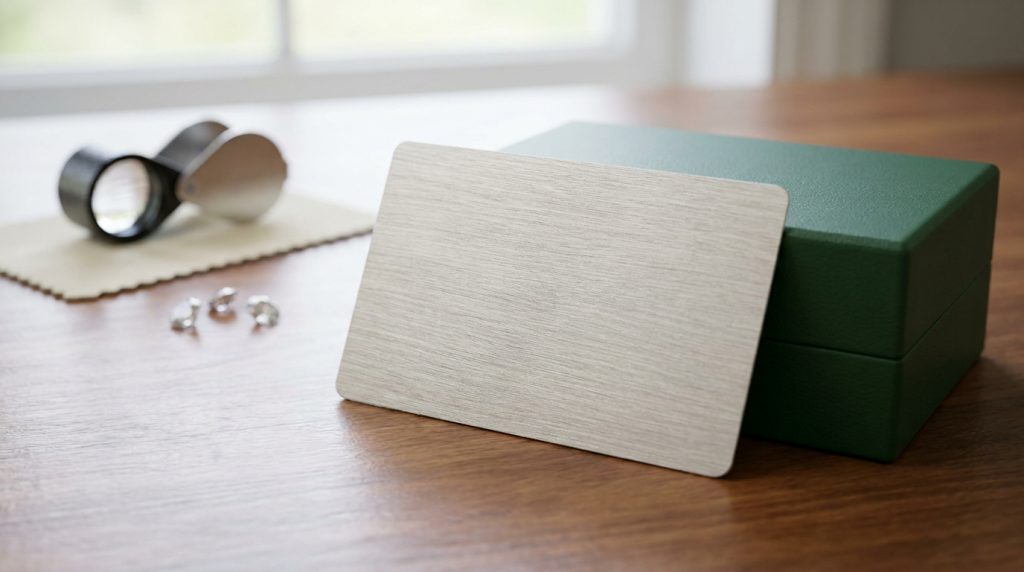
Patek Philippe vs. Rolex: The Ultimate Luxury Showdown

The 2026 question every serious buyer still asks

Patek Philippe versus Rolex is not a fair fight. It’s a revealing one. It tells you what you value when the price is already uncomfortable.

In February 2026 the market feels calmer than the hype suggests. The best pieces still move quickly. The middle ground has more stock than most people admit.

I sell to clients who want one watch to do everything. I also sell to collectors who treat a dial like a document. Those are different instincts. Patek and Rolex serve them in very different ways.

Status versus stature

Rolex is the most legible status symbol in modern luxury. You can spot a Submariner from a café table in Marylebone. That’s the point.

Patek Philippe is quieter. The brand wants you to feel initiated. The person across the room is not supposed to recognise it.

Production tells its own story in 2026. Market estimates put Rolex output around 1,000,000 watches a year. Patek Philippe is often cited closer to 60,000.

Rolex wins mass desirability. Patek wins watchmaking stature. If you want both then you’re shopping for two different lives.

Design codes that do not need explaining

Rolex designs are industrial. That’s not an insult. The cases are consistent. The bracelets feel engineered for daily impact.

In 2026 the core Rolex look is still the same playbook. Submariner for the diver fantasy. GMT Master II for the airport fantasy. Datejust for everyone who wants a watch that never looks wrong.

Patek Philippe uses a broader vocabulary. Calatrava lines are clean. Complication dials can be busy on purpose. Nautilus and Aquanaut still sit at the centre of the modern demand story.

The uncomfortable truth is that many buyers only want steel sports. That narrows the argument. It also makes Patek feel artificially small.

Movements and finishing under a loupe

Rolex movements are built for predictability. The brand sells consistency more than romance. The feel is tight. The winding is purposeful.

Rolex still positions its modern calibres around daily accuracy. The published tolerance is commonly quoted as -2 to +2 seconds per day after casing. That’s a serious promise for a mass producer.

Patek Philippe sells finishing as part of the product. Anglage and striping matter because clients expect them to matter. You pay for time spent on details you may never photograph.

Patek’s own seal sets expectations on rate performance in 2026. You’ll often see figures quoted around -3 to +2 seconds per day for larger movements. Small calibres can allow a wider band.

Materials and the feel on the wrist

Rolex steel is a selling point. The bracelets are the real product for many clients. A Jubilee on a Datejust still has a particular shimmer under London shop lighting.

Rolex gold in 2026 is brilliant. It’s also loud. Some clients love that. Some clients regret it within a fortnight.

Patek Philippe steel feels different. It’s often slimmer. The finishing is more nuanced. The watch can feel delicate next to a chunky sports Rolex.

Patek precious metal pieces can be sublime. They can also feel like museum objects when your week includes the Tube. That matters more than people admit at the first appointment.

Buying one at retail in 2026 is its own sport

Walk into a Rolex authorised retailer on Bond Street in 2026 and you’ll see displays that look full. Ask for a steel Daytona and the conversation changes. You’ll hear the soft language of allocation.

Rolex waiting lists are not a single list. They’re a relationship system. Purchase history helps. Local profile helps. Being realistic helps most of all.

Patek Philippe retail can feel even more selective. Some references are effectively spoken for before they land. You’re buying into a long horizon.

The grey market is still part of the reality. I see clients do it for speed. I also see them regret paying a premium when the mood cools.

The money bit, with pounds and percentages

In 2026 there’s still a gap between list price and real world price for certain steel sports watches. That gap is not uniform. It depends on model. It depends on condition. It depends on paperwork.

As a rough guide in the UK market, hot Rolex sports can trade at 10% to 90% over list. Hot Patek sports can sit at 30% to 160% over list. Dress Patek often behaves very differently.

Clients hate hearing this. A Calatrava can be a better watch than an Aquanaut. It can also be a weaker trade when you exit. That’s not morality. It’s demand.

Brand Model Typical UK list price feel in 2026 Typical UK pre owned asking range in 2026 What I see in shops
Rolex Submariner Date £9,000 to £10,500 £9,500 to £12,000 Often near list if you can wait. Clean full set sells fast.
Rolex Cosmograph Daytona in steel £13,500 to £16,000 £20,000 to £30,000 Still a social token. Most buyers cannot get retail access quickly.
Rolex Datejust 36 on Jubilee £7,000 to £9,000 £6,500 to £9,500 The sensible Rolex. Availability is better than the internet suggests.
Patek Philippe Calatrava time only £24,000 to £35,000 £18,000 to £32,000 Often underappreciated. Best value is usually pre owned.
Patek Philippe Aquanaut in steel £24,000 to £35,000 £40,000 to £70,000 Demand stays intense. Sporty look with real scarcity.
Patek Philippe Nautilus in steel £35,000 to £50,000 £80,000 to £160,000 Still the lightning rod. Clients buy it for the story as much as the watch.

Resale value is not the same as value

Rolex resale strength in 2026 is real. It’s also uneven. The hype watches stay buoyant. The odd configurations can sit for months.

Patek Philippe resale is brutally model dependent. Steel sports can look like a magic trick. Many complicated gold references trade with heavy discounts.

This is where people confuse price with quality. A watch that loses money can still be a better object. You just need to be honest about why you bought it.

I’m mildly sceptical of anyone who claims they’re buying a watch purely as an investment. They usually want the attention as well.

Servicing, aftercare, long ownership

Rolex servicing in the UK is straightforward. The network is large. Turnaround can still be slow in busy periods. Parts access is generally excellent when you stay inside the system.

Typical servicing costs in 2026 can vary. A simple Rolex service might land around £600 to £1,200 depending on model and parts. A chronograph can push higher.

Patek Philippe service is a different rhythm. The brand is careful. Some work goes back to Geneva. That means time.

Costs can be serious in 2026. A basic Patek service can start around £1,000 to £2,500. Complications can climb into £5,000 plus territory.

Which should you buy in 2026

If you’re choosing one watch for daily use then Rolex is the easier call. It’s tough. It’s legible. It travels well.

If you’re building a collection then Patek Philippe is the deeper rabbit hole. You get craft and heritage. You also get more moments where only you know what’s on your wrist.

  • Choose Rolex if you want durability and liquidity
  • Choose Patek if you care about finishing and complications
  • Buy pre owned if you hate waiting lists
  • Try the watch on twice. Once in the morning. Once after a long day

A final word and sources I actually point clients towards

The truth in 2026 is that Rolex is the best luxury sports watch brand at scale. Patek Philippe is the more rarefied watchmaker. Neither makes the other irrelevant.

If you want my bias then here it is. I trust Rolex when the watch has to earn its place. I respect Patek Philippe when the watch is allowed to be impractical.

Further reading from a few useful summaries:

If you’re still torn then do the sensible thing. Buy the watch you’ll wear on a wet Tuesday. Save the fantasy piece for later.

Watch it explained

This guide draws on the shop’s own videos — watch them here: