
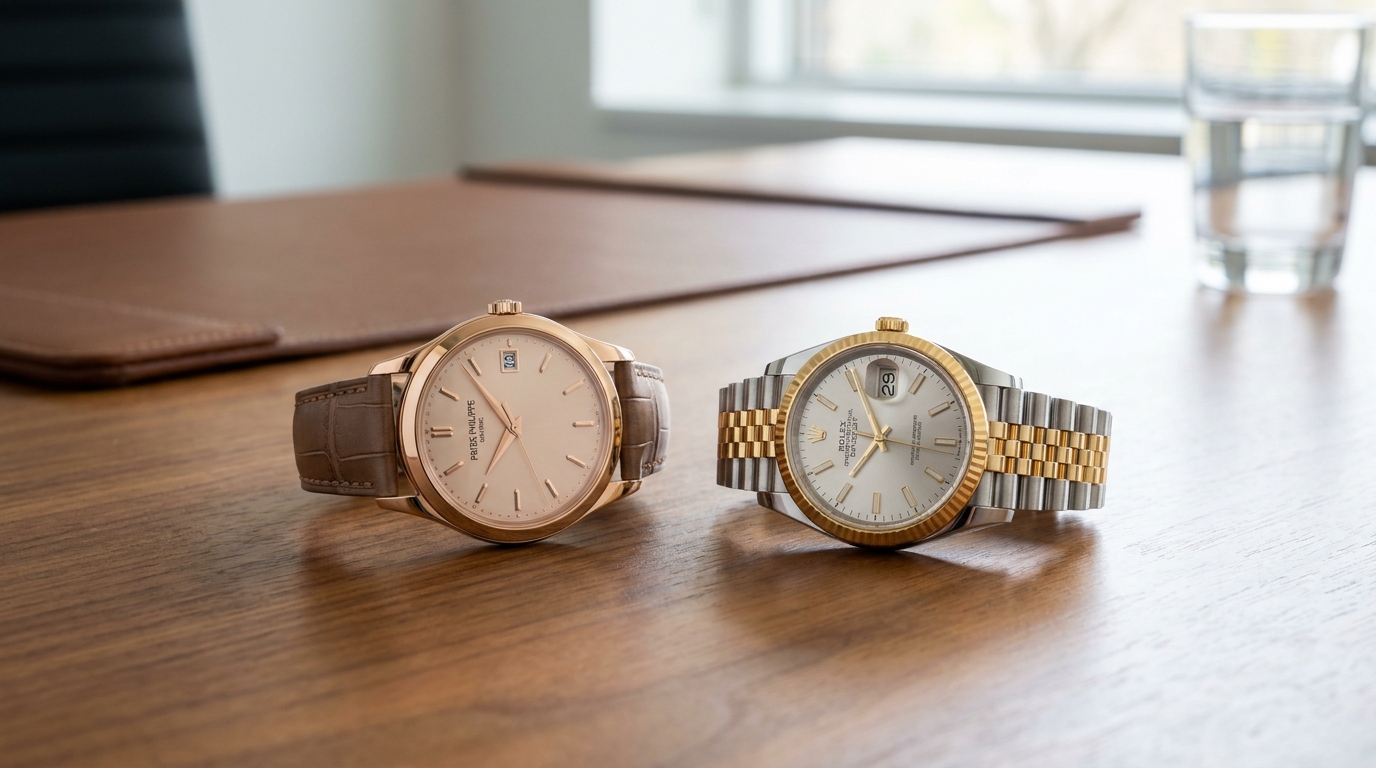
Patek Philippe or Rolex in 2026: what you’re really buying
Patek Phillippe still stops people mid sentence in a Patek Philippe vs Rolex debate. It’s one of the few luxury watch brands that can make a Rolex owner sound slightly defensive.
In Britain this question is rarely about timekeeping. It’s about identity. It’s about what your watch says when you’re not speaking.
I see it weekly in Mayfair. The buyer walks in thinking they want the “best”. They walk out realizing there are two different kinds of “true luxury”.
Status, stature, then the awkward bit about taste
Rolex is the public shorthand for success in 2026. Most people can spot a Submariner at a glance. They might even ask if it’s “real”.
Patek Phillippe works differently. The recognition is narrower. The reward is deeper. You wear it for yourself first. You wear it for the room only if the room is the right one.
This is where buyers trip up. They tell themselves they want craftsmanship. They also want to be noticed. Those wants don’t always live happily together.
If your lifestyle is fast and slightly chaotic then Rolex usually fits better. If you like the private satisfaction of a beautifully finished movement then Patek Phillippe starts to make sense.
Patek Phillippe and the quiet power of scarcity
Scarcity is not a myth in 2026. It’s a strategy. Market estimates often put Rolex output at around 1,000,000 watches a year. Patek Philippe is often cited closer to 60,000. That gap changes the whole tone of ownership. It also changes behaviour at retail. Source context: Kettle Club’s February 2026 comparison.
With Patek Phillippe the boutique experience can feel like an interview. Some references are spoken for before they land. You’re not just buying a watch. You’re buying entry into a rhythm of allocations.
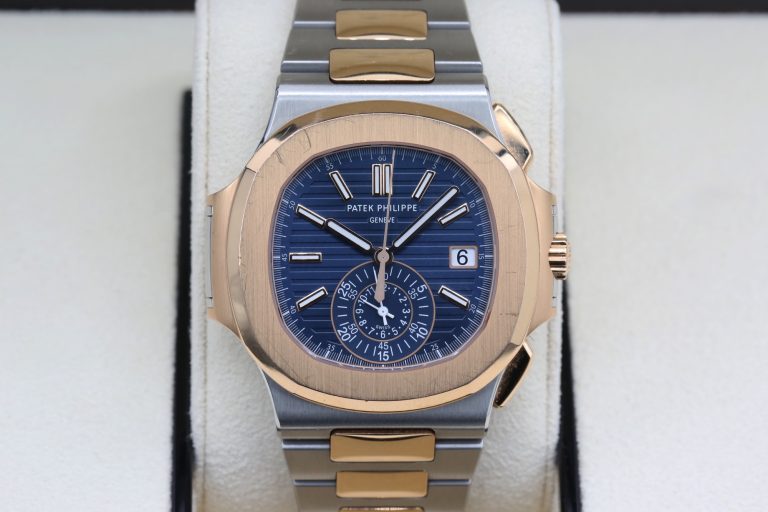
There is also the design language. A Calatrava can read as plain to the untrained eye. To a collector it reads as restraint. That’s the point. Many Patek Philippe watches don’t announce themselves. They invite inspection.
Don’t confuse quiet with fragile. Plenty of Patek pieces are daily wearable. The real issue is psychological. Owners often baby them because the market tells them to.
Rolex as the default luxury dial
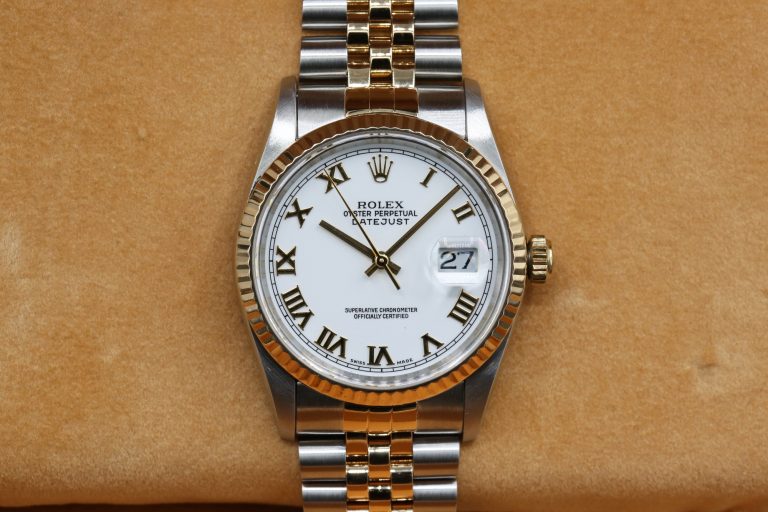
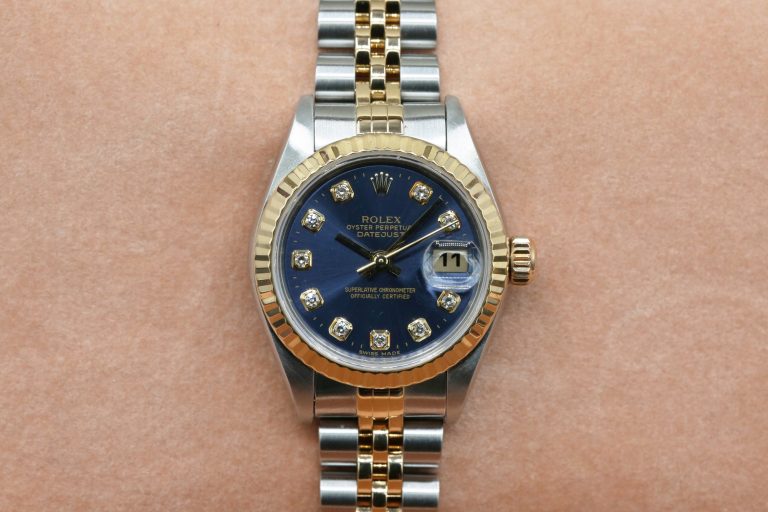
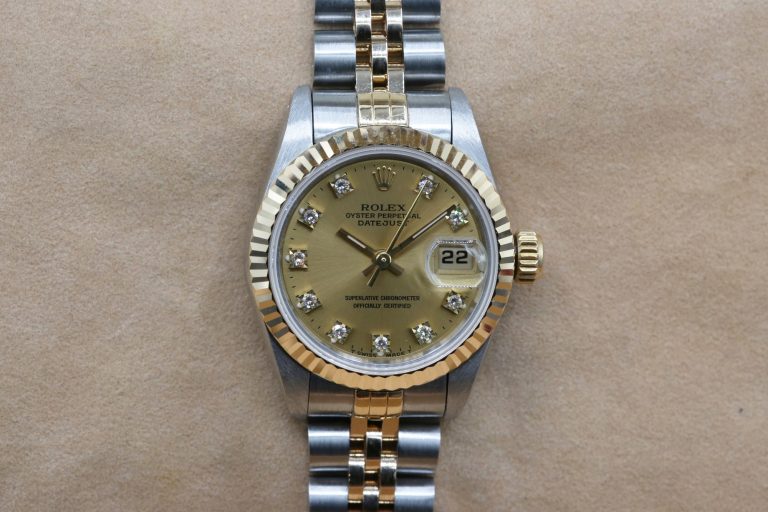
Rolex is brilliant at being obvious. That’s not an insult. It’s one of the reasons the brand dominates the modern conversation. A Datejust on Jubilee under London lighting is instantly readable.
Patek Phillippe doesn’t have that mass visibility. Rolex has decades of cultural placement. Sport sponsorship helps. So does the simple fact that friends and colleagues talk about Rolex first.
Reddit gets this right for once. A long running thread in r/Watches points out how “Rolex” becomes the only watch word many people know. It’s a real social effect. It also explains why buyers keep circling back to Rolex even after looking at higher horology. See: the discussion thread.
Here’s my mild skepticism. Rolex scarcity is real in certain models. It’s also helped by how the brand manages demand. In 2026 the “waitlist” is rarely a list. It’s a relationship system.
Patek Phillippe pricing in 2026: list, premium, then reality
Let’s talk money. Patek Phillippe is not just “more expensive”. The price structure is stranger. It’s split between list prices, pre owned asking prices, and the premium people pay to skip the queue.
As a rough working guide in the UK market during 2026, sought after Rolex sports models can trade at 10% to 90% over list. Hot Patek sports can sit at 30% to 160% over list. Dress Patek can behave very differently. Source context: Kettle Club’s “pounds and percentages” section.
This is also where people misread value. A Calatrava can be a better object than an Aquanaut. It can also be a weaker trade when you exit. That’s demand. It’s not morality.
If you want a broad overview that leans more mainstream, The Luxury Hut guide is a decent starting point. Bob’s Watches also frames the positioning clearly for buyers who are still comparing categories.
| Brand | Model | Typical UK list price feel in 2026 | Typical UK pre owned asking range in 2026 | What you tend to see in shops |
|---|---|---|---|---|
| Rolex | Submariner Date | £9,000 to £10,500 | £9,500 to £12,000 | Near list if you can wait. Clean full set sells fast. |
| Rolex | Cosmograph Daytona in steel | £13,500 to £16,000 | £20,000 to £30,000 | Still a social token. Retail access is the hard part. |
| Rolex | Datejust 36 on Jubilee | £7,000 to £9,000 | £6,500 to £9,500 | The sensible Rolex. Availability is better than the internet suggests. |
| Patek Philippe | Calatrava time only | £24,000 to £35,000 | £18,000 to £32,000 | Often underbought. Best value is usually pre owned. |
| Patek Philippe | Aquanaut in steel | £24,000 to £35,000 | £40,000 to £70,000 | Demand stays intense. Scarcity does most of the work. |
| Patek Philippe | Nautilus in steel | £35,000 to £50,000 | £80,000 to £160,000 | The lightning rod. People buy the story as much as the watch. |
Patek Philippe vs Rolex on wrist: engineering versus finishing
Rolex movements are built for predictability. The brand sells consistency. In 2026 the published tolerance is commonly quoted as minus two to and two seconds per day after casing. For a large scale maker that’s a serious promise. Source context: Kettle Club’s movement section.
Patek Phillippe sells finishing as part of the product. Anglage matters. Striping matters. You pay for time spent on details you might never photograph. Patek’s own seal expectations are often quoted around minus three to and two seconds per day for larger movements in 2026.
Bracelets are where Rolex wins most daily battles. A modern Oyster bracelet feels engineered to take knocks. A Jubilee drapes well. It looks expensive even when you’re wearing a plain knit on the Central line.
Patek Philippe steel often feels slimmer. The finishing can be more nuanced. That can read as refined. It can also read as delicate next to a chunky sports Rolex. If you’re hard on your watches then that matters more than forum talk admits.
Servicing reality in 2026: the cost of owning the fantasy
This is the bit buyers forget. It’s not just the purchase price. It’s servicing. It’s parts. It’s turnaround times. It’s how patient you are when the watch is away.
In the UK during 2026, a straightforward Rolex service commonly lands around £600 to £1,200 depending on model and parts. Chronographs can push higher. The network is large. The process is familiar.
Patek Phillippe service runs to a different rhythm. Some work goes back to Geneva. That means time. In 2026 a basic Patek service can start around £1,000 to £2,500. Complications can climb into £5,000 plus territory. Source context: Kettle Club’s servicing section.
If you’re comparing “best luxury watches” for daily ownership, this part should steer you. Romance is lovely. Downtime is not.
Buying in Britain: the authorised route, the grey route, the sensible route
Retail is theatre in 2026. Bond Street windows look full. Ask for a steel Daytona and the temperature changes. The language becomes soft. The answer becomes about “interest”.
Patek Phillippe at retail can feel even tighter. The sport references are the hardest. You can do everything right then still wait. That’s why the grey market keeps taking business.
If you’re going pre owned, treat it like a serious purchase. This is where buyers get lazy. This is where fakes live. This is where “lightly worn” can hide a hard life.
- Full set paperwork and matching numbers
- Bracelet stretch and clasp wear under strong light
- Service history that makes sense for the watch’s condition
- Seller reputation in Hatton Garden or via a known UK dealer
For quick reading on how different audiences frame the choice, Bob’s Watches is useful. It’s American in tone. The fundamentals still apply here.
Decoding true luxury: my bias after too many appointments
True luxury is not a logo. It’s how a watch fits your actual week. It’s whether you wear it on a wet Tuesday in April 2026. It’s whether you still like it when nobody comments.
Rolex is the easier recommendation for one watch ownership. It’s tough. It’s legible. It travels well. It has liquidity when you decide to sell. That matters even if you hate admitting it.
Patek Phillippe is my pick for the buyer who already knows themselves. You accept that some people will not notice. You accept that service will cost. You accept that the watch is allowed to be slightly impractical.
If you want to browse the different takes that shaped this piece, start here. Kettle Club is sharp on the UK mood. The Luxury Hut is a broad primer. Reddit is messy yet honest about social signalling. There is also the short form noise on TikTok if you want to see how the conversation gets simplified for views.
Watch it explained
This guide draws on the shop’s own videos — watch them here:
